
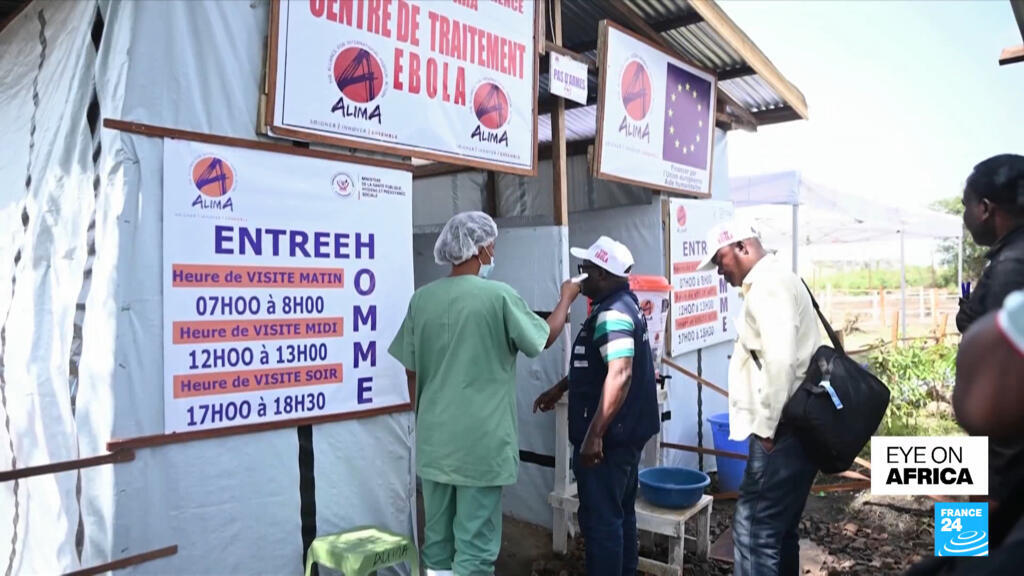
On August 14, 2026, health authorities confirmed that the Ebola virus has spread to a sixth province in the Democratic Republic of Congo. This significantly expands the geographic footprint of the ongoing epidemic. Rapid transmission across provincial boundaries places immense pressure on local medical infrastructure and international response teams working to contain the pathogen.
Epidemiological Status and Transmission Vectors
- The viral hemorrhagic fever has officially breached provincial boundaries, reaching a sixth distinct region within the Central African nation.
- Medical personnel face severe logistical hurdles in tracking transmission chains across dense jungle terrain and busy transit hubs.
- Local health ministries are deploying rapid response units to isolate suspected cases and administer available therapeutic treatments.
- International health organizations are mobilizing emergency funding to supply personal protective equipment and diagnostic tools to frontline clinics.
Geographic Challenges and Logistics in Central Africa
Containing an epidemic in the DRC requires navigating vast expanses and underdeveloped transportation networks. Rural provinces often lack reliable cold-chain storage facilities for vaccines. Consequently, health workers rely on solar-powered refrigeration units shipped directly into remote operational zones.
Population mobility further complicates containment. Markets and regional trade routes act as vectors for viral spread as infected individuals travel before exhibiting severe symptoms. Border monitoring stations have stepped up temperature screenings and contact tracing to identify transmission paths early.
Medical Countermeasures and Treatment Protocols
Modern medical interventions have transformed Ebola from an almost universally fatal diagnosis into a manageable condition when treated early. Monoclonal antibody treatments neutralize the virus within the bloodstream, drastically reducing mortality rates. However, supply chains for these advanced therapeutics remain fragile and dependent on international air transport.
Vaccination campaigns target frontline healthcare workers and primary contacts to create a protective ring around outbreaks. Hesitancy among local populations, driven by historical distrust of foreign medical interventions, requires intensive community engagement by trusted local leaders.
Economic and Social Fallout
Public health crises in Central Africa frequently disrupt regional commerce, agriculture, and education. When provinces implement quarantine zones or movement restrictions, informal trade halts, threatening household food security. Small business owners experience immediate revenue losses as consumer spending shifts toward basic survival.
Schools in affected districts face temporary closures to prevent gatherings that could accelerate community transmission. These interruptions compound existing educational deficits, particularly for children in remote or conflict-affected regions.
International Response and Resource Allocation
The World Health Organization and Médecins Sans Frontières coordinate closely with the Congolese Ministry of Health to allocate scarce resources. Donor nations frequently pledge emergency capital, yet bureaucratic delays can stall the delivery of critical supplies to regional airports. Establishing efficient supply lines remains the primary operational goal.
Surveillance data sharing between neighboring countries prevents cross-border transmission clusters from developing undetected. Regional cooperation pacts signed after previous epidemics allow for faster deployment of cross-border medical brigades during acute emergencies.
Historical Context and Comparative Analysis
The DRC has faced multiple Ebola outbreaks over decades, notably the North Kivu and Ituri epidemic from 2018 to 2020. That crisis demonstrated how regional instability and community distrust impede medical responses. Modern epidemiologists now possess monoclonal antibody treatments and licensed vaccines that dramatically alter clinical outcomes if deployed rapidly. Nonetheless, infrastructural deficits continue to mirror historical obstacles.
Stakeholder Analysis and Future Implications
Frontline healthcare workers, international NGOs, and local leaders bear heavy operational burdens and physical risks. Regional populations suffer severe socioeconomic disruption when trade corridors and markets close. Over the next six to twelve months, the outbreak’s trajectory depends on sustained international funding, vaccine supply stability, and overcoming local vaccine hesitancy.
Why This Matters
The geographic expansion of this epidemic highlights the vulnerability of global health security to localized biological threats. When a pathogen breaches multiple administrative zones, it tests regional containment strategies and threatens international stability. Understanding this outbreak informs future pandemic preparedness frameworks worldwide.
Outlook for Regional Containment
Halting the transmission curve depends on community compliance, rapid diagnostics, and uninterrupted funding streams. As health teams adapt strategies to counter the spread in the newly affected province, upcoming weeks will determine whether the outbreak stabilizes or escalates further.
Source: Original Article
Leave a Reply