
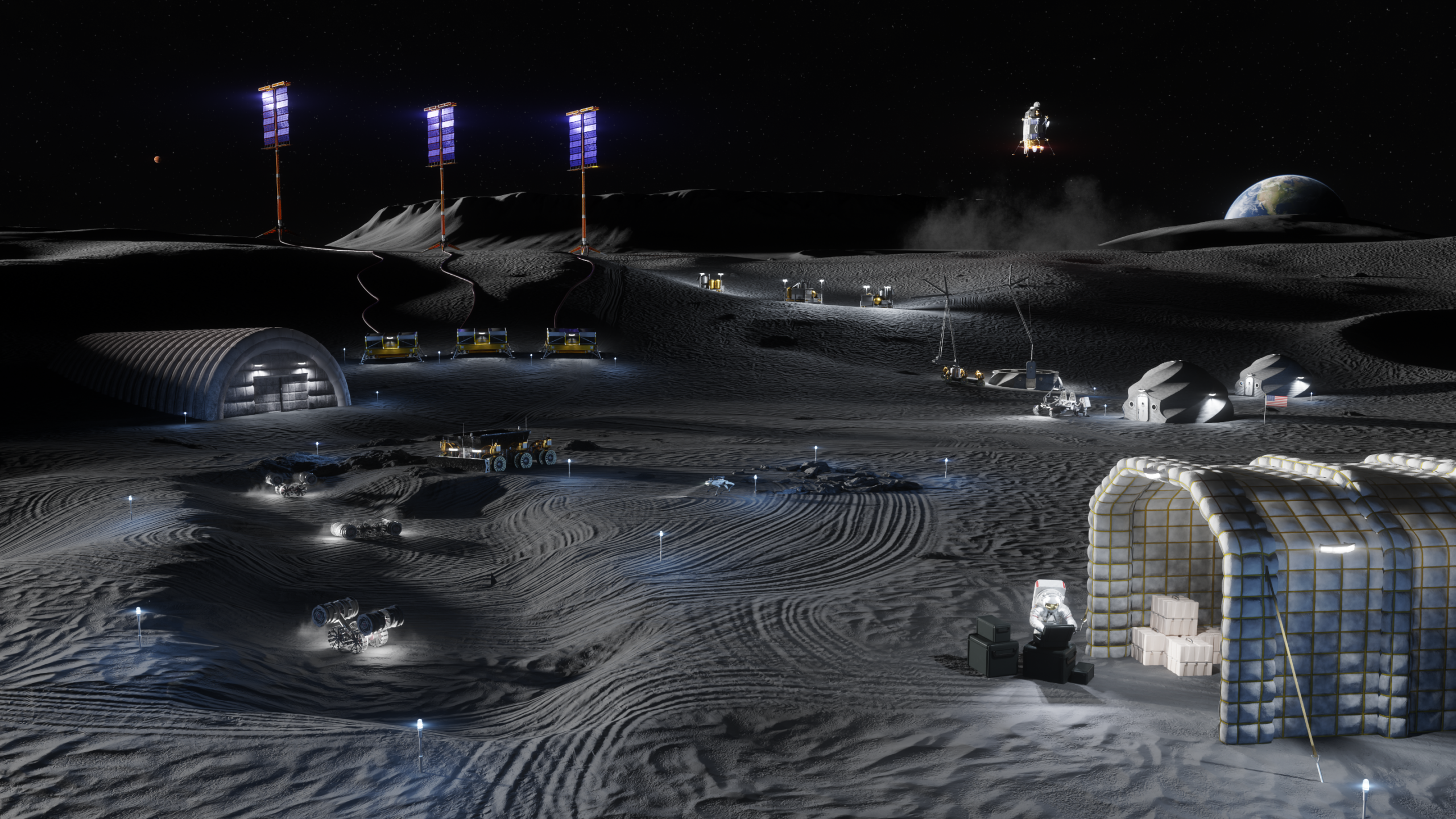
The National Aeronautics and Space Administration issued a formal call for engineering proposals targeting the 2027 Revolutionary Aerospace Systems Concepts – Academic Linkage competition. This initiative requires United States collegiate teams to design original architectural frameworks that support long-term human habitation on the Moon, driving unprecedented innovation in planetary surface systems.
College engineering departments face strict performance metrics to ensure proposed hardware and software solutions withstand extreme lunar environments. The competition accelerates research pipelines by crowdsourcing fresh ideas from upcoming aerospace professionals who operate outside legacy industry constraints.
Selected academic groups receive direct mentorship from agency engineers to refine their system designs through iterative prototyping phases. The program bridges the gap between theoretical classroom study and practical space hardware development, preparing the next generation of space architects.
Key Operational Facts
- Eligible participants must consist of active undergraduate and graduate students enrolled in accredited United States academic institutions.
- The competition timeline targets final design submissions and presentations for the 2027 operational cycle.
- Submissions must address specific technological hurdles including automated resource extraction and extreme thermal management.
- Winning proposals integrate directly into the agency’s long-term strategic planning documents for human spaceflight.
Long-term lunar exploration requires robust infrastructure that operates independently of frequent resupply missions from Earth. Student teams must tackle the fundamental physics of operating machinery in a partial gravity environment with abrasive regolith dust, a primary challenge for long-duration surface missions.
Current aerospace paradigms rely heavily on short-duration missions that limit sustained scientific discovery on planetary surfaces. Transforming the lunar economy demands entirely new operational models that prioritize modularity, repairability, and energy efficiency across all deployed systems.
Academic institutions provide a unique environment for radical innovation because students operate outside legacy aerospace design constraints. This freedom allows emerging engineers to propose unconventional system architectures that established contractors often overlook during standard development cycles.
Economic Implications for Aerospace
Commercial entities closely monitor academic design competitions to identify emerging talent and disruptive intellectual property before market saturation occurs. Early investment in student research significantly reduces the financial risk associated with unproven space hardware concepts.
Universities partnering with space agencies secure crucial funding streams that upgrade campus laboratories and strengthen engineering curricula. This financial injection ensures the domestic talent pipeline remains competitive on a global scale amid accelerating commercial space ventures.
Traditional aerospace contractors must adapt their development cycles to incorporate agile methodologies pioneered by academic research groups. The commercialization of low Earth orbit shifts the economic focus toward sustainable lunar infrastructure development and scalable manufacturing.
Developing standardized interfaces for lunar machinery creates new markets for interchangeable components manufactured by private aerospace suppliers. Standardized systems lower operational barriers for international partners joining future collaborative exploration initiatives in cislunar space.
Strategic Stakes and Global Competitiveness
Space agencies worldwide view sustainable lunar presence as the primary stepping stone for crewed missions to the Martian surface. Mastering closed-loop life support and local resource utilization on the Moon validates technologies required for deep space transit.
Geopolitical competition in cislunar space intensifies as major spacefaring nations establish permanent research outposts near the lunar south pole. Technological leadership in surface mobility and power generation dictates future diplomatic leverage in space governance.
Failing to engage domestic academic institutions risks creating critical talent shortages within the national aerospace workforce over the coming decade. Educational challenges ensure a steady influx of skilled systems architects capable of managing complex space missions.
Academic participants gain unprecedented exposure to real-world engineering constraints, preparing them for immediate impact within the aerospace sector upon graduation. This direct mentorship model strengthens the industrial base without requiring massive upfront corporate training expenditures.
Future Outlook and System Integration
As the 2027 competition cycle progresses, selected collegiate teams will transition from conceptual sketches to rigorous physical and digital simulations. These validation phases ensure proposed technologies can survive the vacuum and radiation profiles encountered on the lunar surface.
Integrating student-led innovations into official mission architectures validates the agency’s strategy of utilizing open innovation networks. Future space exploration programs will increasingly depend on decentralized engineering contributions from the global academic community.
Source: Original Article
Leave a Reply