
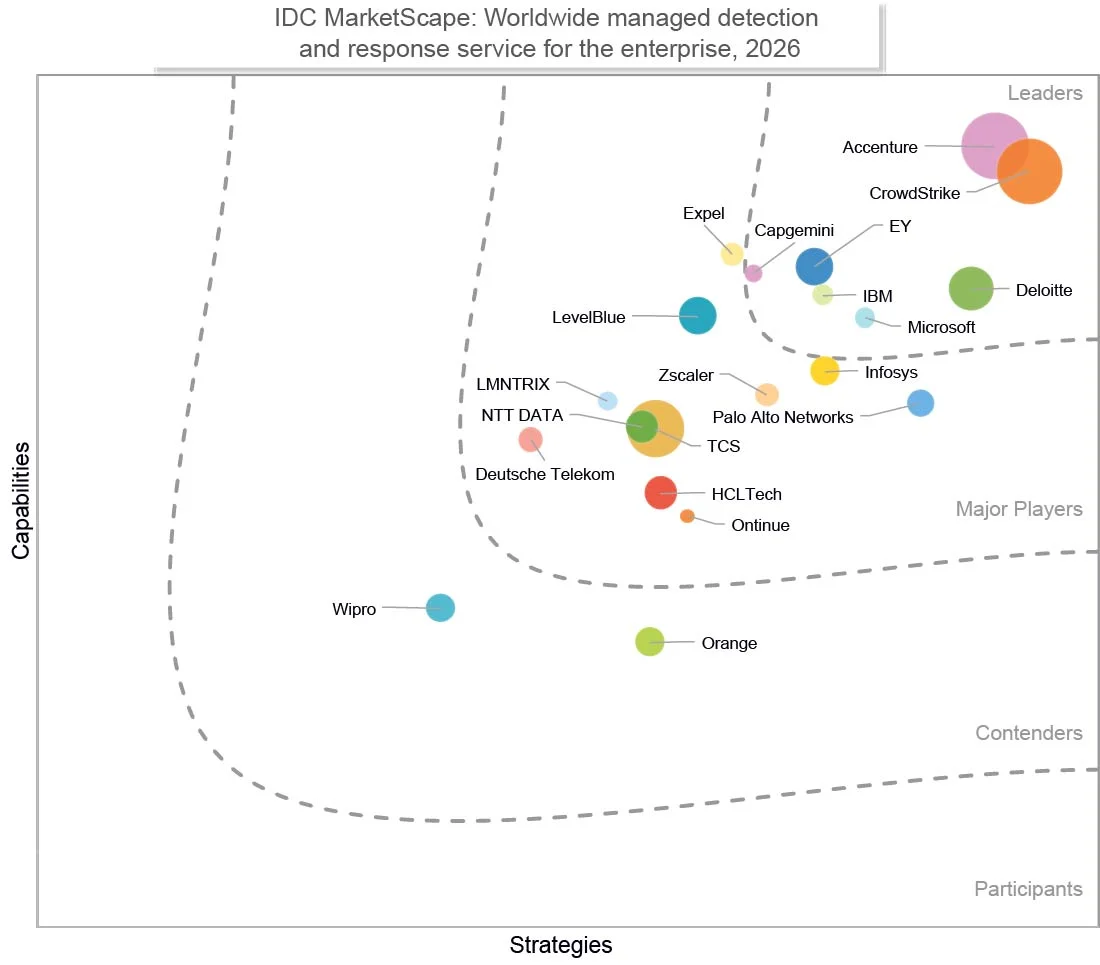
On August 10, 2026, market research firm IDC designated Microsoft as a Leader in its latest MarketScape for MDR/MXDR for the Enterprise evaluation. This recognition highlights the technological evolution of Microsoft Defender Experts, a specialized managed detection and response service that blends automated security algorithms with human analysis, providing organizations with vital resilience against modern cyber threats.
Key Facts
- IDC released its enterprise MDR and MXDR MarketScape report on August 10, 2026.
- Microsoft earned the highest category placement for its security portfolio capabilities.
- The recognized platform merges artificial intelligence, global threat telemetry, and human expertise.
- Enterprise clients utilize these managed services to counteract increasingly complex cyber threats.
- The analysis evaluates vendor execution strategies and long-term product roadmaps.
Understanding MDR and MXDR Systems
Managed Detection and Response, commonly known as MDR, provides organizations with outsourced security operations center capabilities. Extended Detection and Response, or MXDR, broadens this defense perimeter across endpoints, cloud workloads, and identity systems. Modern enterprises face sophisticated attacks that outpace traditional automated software alone. Security teams require continuous monitoring to detect unauthorized network intrusions before data exfiltration occurs.
The historical evolution of managed security services stems from the inability of traditional signature-based antivirus solutions to catch zero-day exploits and fileless malware. As corporate perimeters dissolved with the rise of remote work and cloud migration, security architectures needed a paradigm shift. MDR and MXDR emerged to bridge this gap, offering proactive threat hunting instead of passive logging.
The Intersection of AI and Human Expertise
Artificial intelligence accelerates incident triage by processing millions of telemetry signals in milliseconds. However, algorithms frequently require human context to distinguish between legitimate administrative actions and targeted persistent threats. Microsoft addresses this operational gap by pairing machine learning models with veteran security analysts. These human experts investigate complex anomalies, validate alerts, and deliver actionable remediation steps directly to corporate security teams.
This synergy is critical in contemporary cybersecurity environments. While generative models and large-scale automation can flag anomalies instantly, only seasoned human threat hunters possess the intuitive judgment necessary to map out adversary lateral movement and reverse-engineer custom-built malware payloads.
Enterprise Security Market Impact
Enterprise buyers evaluate security vendors based on integration breadth and operational scalability. Organizations struggle with acute cybersecurity talent shortages, making fully managed security services an essential operational expenditure. By securing a Leader designation from IDC, Microsoft validates its strategy of offering unified security stacks. Competitors in the enterprise space must now demonstrate similar synergy between proprietary threat intelligence and managed human services.
Stakeholder analysis reveals that enterprise CISOs benefit immensely from these integrated platforms, as they reduce the total cost of ownership associated with managing multiple disparate point solutions. Conversely, smaller boutique security providers face mounting pressure to scale their automated capabilities or risk being squeezed out by hyperscale cloud and software giants.
Industry Challenges and Vendor Dynamics
The cybersecurity vendor landscape experiences continuous consolidation as buyers demand unified platforms over fragmented toolsets. Organizations frequently suffer from alert fatigue generated by disparate security products operating in silos. Integrated MXDR solutions alleviate this strain by centralizing telemetry into a single operational interface. Vendors failing to provide cohesive managed services risk losing enterprise market share to platform giants.
Furthermore, the velocity of modern cyber attacks means that operational silos are no longer just an administrative nuisance—they are critical vulnerabilities. When security operations centers cannot correlate endpoint telemetry with cloud identity logs in real time, dwell times increase, giving threat actors ample opportunity to establish persistence.
Strategic Implications for Global Organizations
Global corporations operating across hybrid and multi-cloud environments require consistent visibility into security postures. Outsourced detection services reduce the operational overhead associated with building internal round-the-clock monitoring teams. Decision-makers utilize analyst evaluations like the IDC MarketScape to benchmark enterprise vendor reliability and technical depth. Compliance mandates also push regulated industries toward certified managed security providers.
Over the next 6 to 12 months, industry observers expect compliance frameworks to tighten further, placing even greater emphasis on auditable managed detection mechanisms. Organizations that fail to adopt comprehensive MXDR strategies may find themselves failing key regulatory audits or facing prohibitive cyber insurance premiums.
Looking Ahead
As cyber threat actors adopt generative tools to automate attacks, defensive systems must evolve with equal velocity. Future enterprise security frameworks will rely heavily on autonomous response loops guided by human governance. Microsoft must continue refining its threat intelligence sharing protocols to maintain its competitive standing in subsequent IDC evaluations. Industry observers will monitor how integration milestones shape enterprise adoption rates throughout the remainder of 2026 and beyond.
Source: Original Article