Reporting from TayfNews.tech, Tayfur Keleş notes that early-career planetary scientists are acquiring vital science communication methodologies through structured public engagement programs designed by space agencies and research institutions.
This initiative bridges the persistent gap between specialized academic research and public comprehension. Researchers frequently struggle to translate dense physical data into accessible narratives for taxpayers and policymakers funding these multi-billion-dollar endeavors.
Core Mechanics of the Training Framework
The curriculum focuses on translating high-pressure experimental physics and planetary formation data into clear language. Participants engage in targeted workshops simulating media interviews and public town halls.
- Trainees learn to distill complex petrological and geological datasets into thirty-second soundbites.
- Instructors emphasize the avoidance of academic jargon during public presentations.
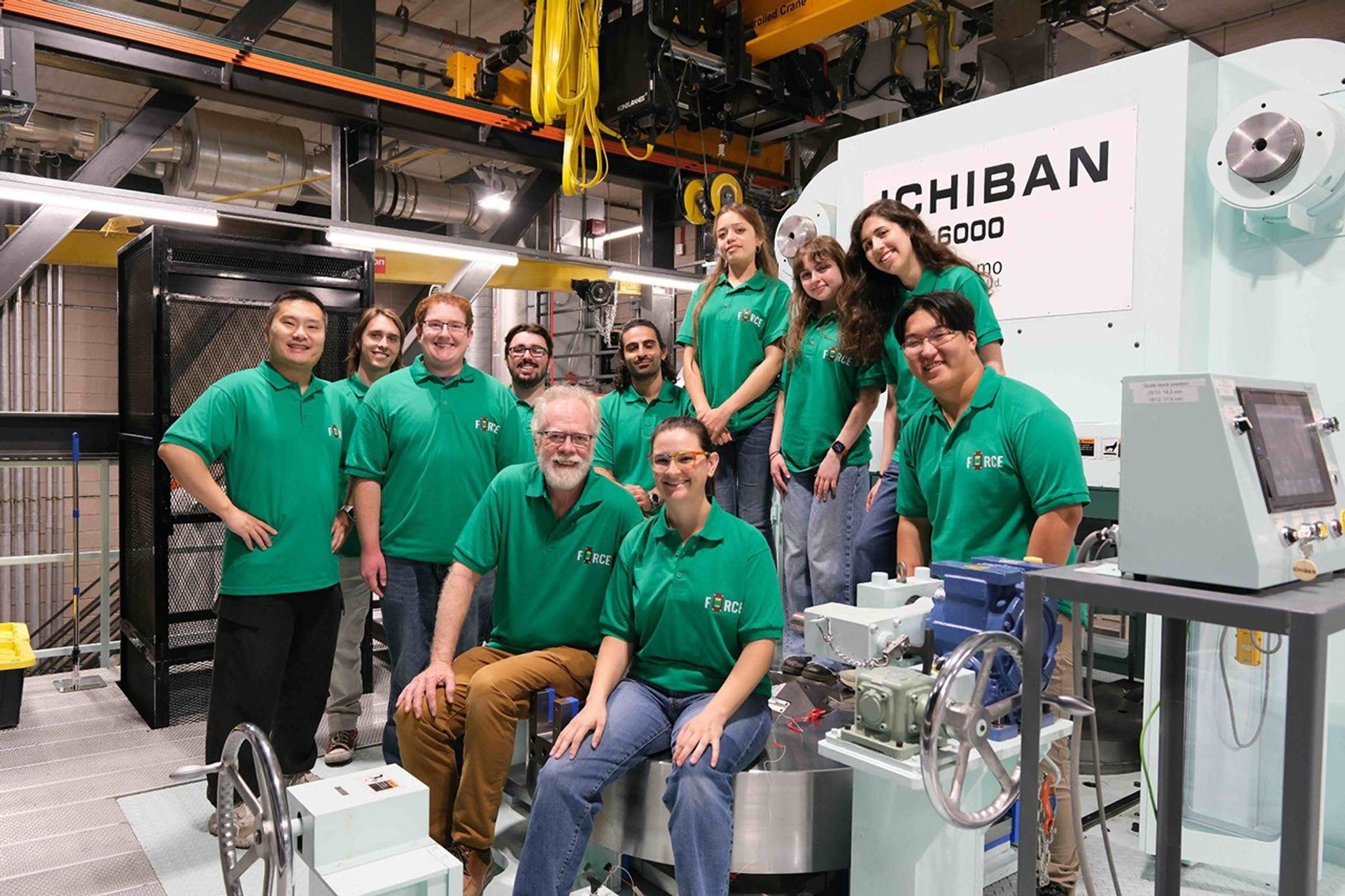
- Workshops incorporate practical exercises using high-pressure laboratory simulations as primary teaching cases.
- Participants receive direct feedback from veteran science journalists and documentary producers.
- Programs evaluate scientists on their ability to explain taxpayer-funded research returns.
Bridging the Laboratory and the Public Sphere
Academic institutions historically prioritize peer-reviewed publishing over public discourse. This cultural norm leaves researchers unequipped when funding bodies demand broader societal impacts.
Modern research grants increasingly mandate robust public outreach components. Scientists mastering these communication frameworks secure funding more reliably than peers relying solely on traditional citation metrics.
Laboratories specializing in extreme environment physics generate abstract concepts. Explaining how diamond anvil cells replicate planetary cores requires engaging storytelling techniques to capture public imagination.
The Economic and Political Imperatives
Space exploration budgets depend entirely on public trust and legislative support. Transparent communication prevents legislative pushback against multi-billion-dollar planetary missions.
Taxpayers demand accountability for public expenditures in fundamental research. Effective science communication transforms esoteric laboratory experiments into tangible societal investments.
Misinformation regarding space missions spreads rapidly across digital platforms. Trained researchers act as authoritative counterweights against unverified claims on social media.
Institutional Shifts in Academia
Universities are modifying graduate curricula to include mandatory communication modules. Professors recognize that citation counts no longer suffice for career advancement in modern STEM fields.
Grant evaluation committees now utilize dedicated scoring rubrics for broader impacts. Researchers lacking public engagement proficiency face competitive disadvantages in proposal reviews.
Mentorship structures are adapting to support multidisciplinary skill acquisition. Senior principal investigators actively encourage junior researchers to participate in media training.
Global Implications for Space Exploration
International collaborations require unified public messaging to maintain cooperative momentum. Standardized communication training ensures cross-cultural clarity in joint space agency initiatives.
Emerging space-faring nations utilize aggressive outreach strategies to build domestic support. Established agencies must modernize their public engagement methods to remain competitive.
Global audiences demand real-time transparency during deep-space missions. Immediate, accurate translation of telemetry data prevents public panic or misinterpretation.
Why This Matters
Public engagement is no longer an optional extracurricular activity for scientists. It forms the foundational pillar of institutional survival and public funding security in the twenty-first century.
When planetary scientists master public communication, democratic oversight of space programs improves significantly. Informed citizens make better decisions regarding technological investments and planetary defense priorities.
Future Outlook and Next Steps
Upcoming cohorts will integrate virtual reality simulations to demonstrate planetary interiors to museum visitors. These digital tools will revolutionize how laboratories share experimental physics data globally.
Regulatory bodies will likely formalize communication standards for all federally funded principal investigators. The scientific enterprise is transitioning toward absolute transparency and mandatory public accountability.
Source: Original Article