Military forces from the United States and South Korea commenced their annual defense exercises on the Korean Peninsula. Defense leaders announced a significant reduction in the scale of these maneuvers to facilitate ongoing diplomatic negotiations with Pyongyang. This strategic shift highlights a major recalibration of alliance readiness and regional security protocols in East Asia.
Analysts are closely monitoring how reduced training scopes impact combined military efficiency against potential threats. The balance between maintaining robust defense capabilities and creating diplomatic openings remains a delicate task for military planners and political leaders alike.
Key Facts of the Defense Maneuvers
- The United States Armed Forces and the Republic of Korea Armed Forces initiated their combined command post training cycle.
- Washington decided to substantially scale down the physical footprint and troop numbers involved in the exercises.
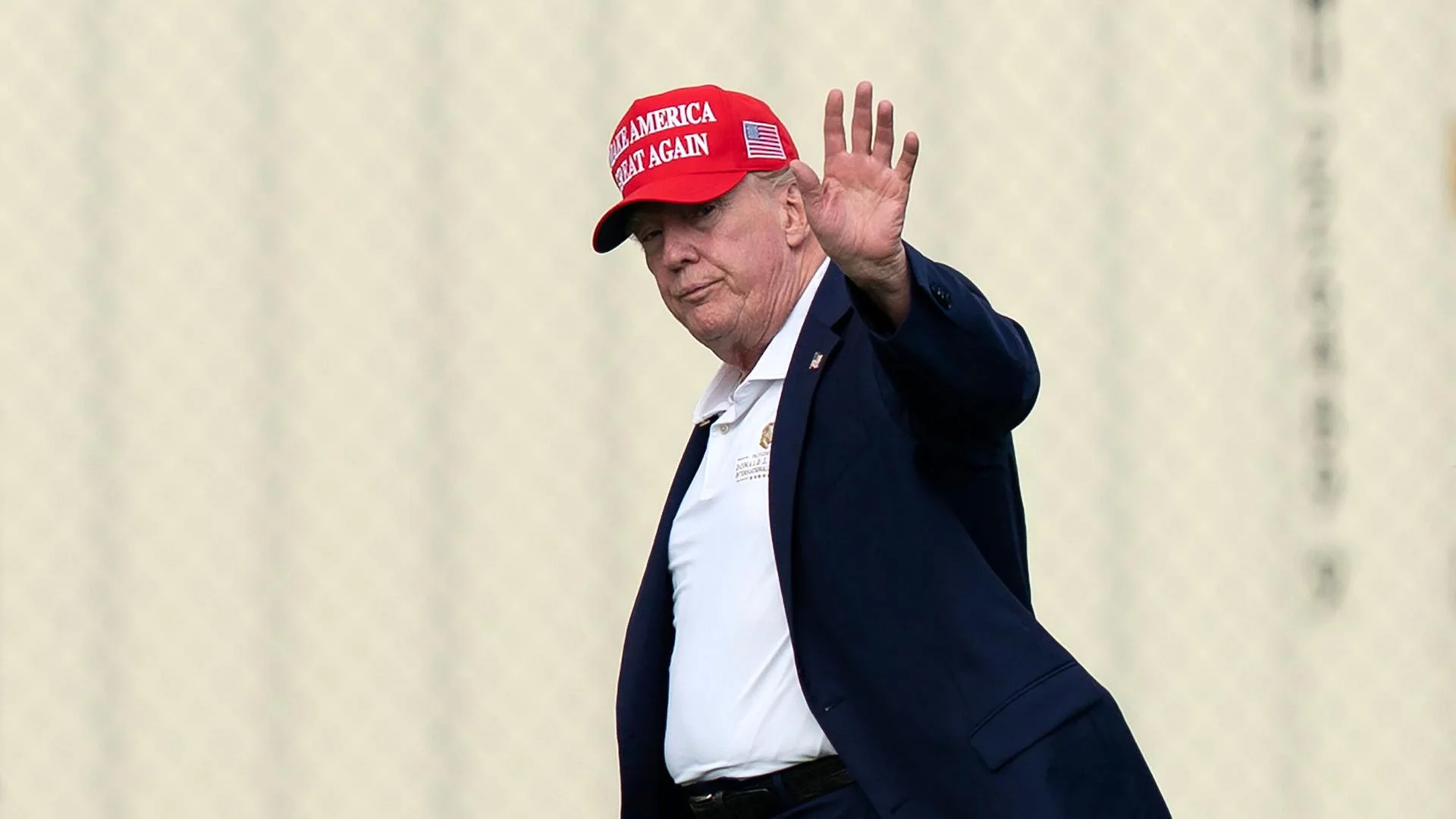
- President Trump cited his positive personal relationship with North Korean leader Kim Jong Un as the primary catalyst for the reduction.
- Defense officials from both allied nations designed the revised drills to maintain operational readiness while avoiding provocative optics.
Strategic Context and Regional Stability
Joint military exercises have served as the bedrock of the US-South Korean alliance for decades. These large-scale operations traditionally test the capability of both nations to deter and respond to aggression from the north. However, political leaders frequently adjust these drills to create diplomatic openings.
By scaling back the maneuvers, Washington aims to incentivize Pyongyang to resume stalled denuclearization talks. Critics argue that reduced training diminishes the combat readiness of combined forces. Proponents maintain that diplomacy requires calculated risks and tangible goodwill gestures. Historical precedents show that alternating between deterrence and dialogue is a constant theme in modern peninsular geopolitics.
Implications for Global Security
The Korean Peninsula remains one of the most heavily fortified regions in the world. Any shift in US-South Korean military posture resonates across global defense markets and diplomatic corridors. Regional powers like China and Japan monitor these developments to recalibrate their own strategic calculus.
Reduced military exercises alter tactical feedback loops necessary for modern warfare integration. Military commanders must find alternative methods, such as digital simulations, to compensate for reduced field training. This technological shift impacts how alliances maintain deterrence in the twenty-first century.
Why This Matters
This policy adjustment demonstrates the complex interplay between high-level diplomacy and tactical military preparedness. When political leaders alter defense protocols for diplomatic leverage, military hierarchies must adapt quickly to maintain baseline security standards.
Understanding these shifts helps global stakeholders assess the stability of the Indo-Pacific region. Defense technology journalists track these events to analyze how political mandates reshape military hardware, software simulation usage, and alliance logistics.
Expert Perspective on Alliance Dynamics
Defense analysts suggest that unilateral concessions without reciprocal steps from Pyongyang risk eroding alliance cohesion. South Korean domestic politics remain deeply divided over the appropriate balance between engagement and deterrence.
The long-term success of this strategy depends entirely on whether North Korea responds with concrete denuclearization milestones. Without measurable progress, reduced exercises may simply leave allied forces less prepared without yielding diplomatic dividends.
Future Outlook and Technological Adaptation
As the current exercise cycle progresses, observers will measure the exact reduction in troop numbers and equipment deployment. Intelligence agencies will monitor North Korean military responses to determine if Pyongyang views the scaled-down drills as an invitation for cooperation or a sign of weakness.
The outcome of this diplomatic gambit will heavily influence future defense posture reviews between Washington and Seoul. Technology integration and computer-simulated wargames will likely play an expanded role in future training cycles, ensuring that digital readiness bridges the gap left by physical reductions.
Source: Original Article