
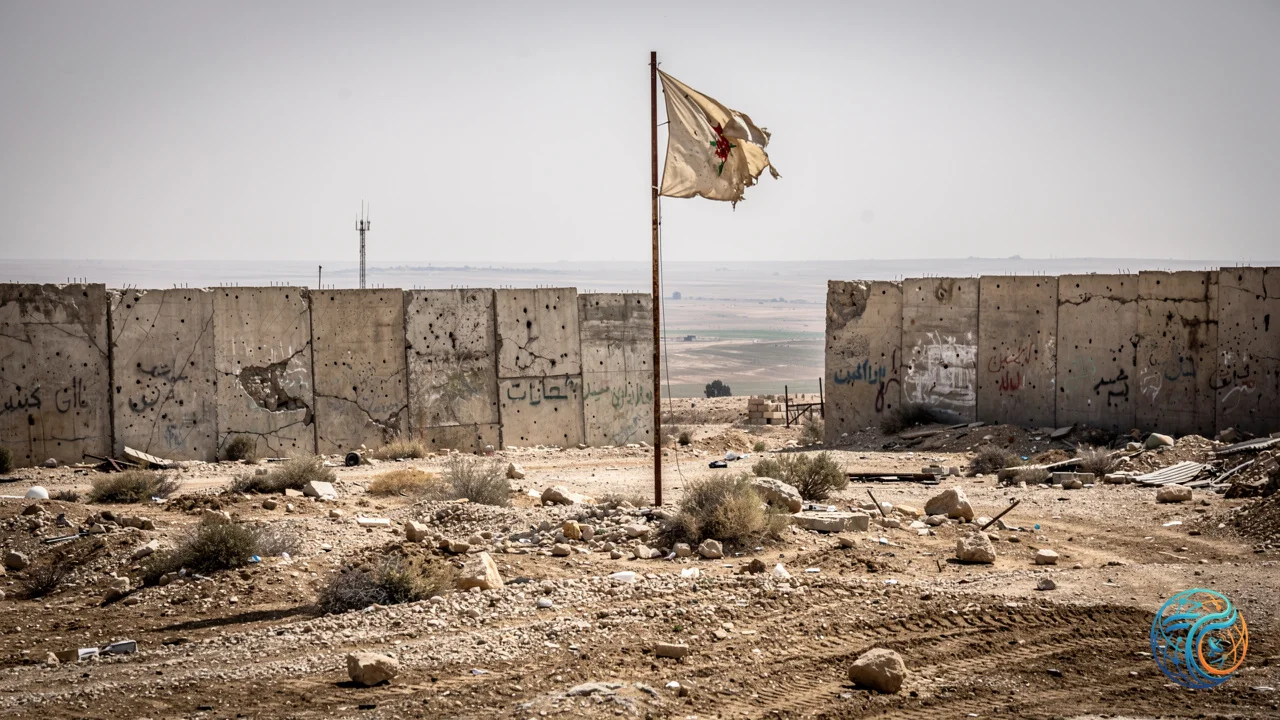
The formal disbanding of the Syrian Democratic Forces marks a critical turning point in contemporary Middle Eastern history, following an announcement on August 26, 2026. The SDF, an alliance that spearheaded the military campaign against the Islamic State in Iraq and the Levant (ISIL), has officially declared that it is dissolving its structure, prompting urgent questions about the legacy of the coalition and the future stability of the territories it formerly administered.
Established during the multi-faceted Syrian conflict, the coalition emerged as a primary partner for international coalitions seeking a ground force capable of dismantling ISIL’s territorial caliphate. By examining the trajectory of the SDF, observers can better understand how localized military coalitions evolve, adapt to shifting diplomatic landscapes, and ultimately face dissolution under mounting regional pressures.
The Legacy and Origins of the Syrian Democratic Forces
Formed to unify various armed factions operating in northern and eastern Syria, the Syrian Democratic Forces quickly gained international recognition for their operational effectiveness against ISIL. The alliance brought together diverse ethnic and tribal groups, creating a cohesive military apparatus that systematically rolled back extremist control across strategic population centers and economic hubs.
- Spearheaded the military ground campaign against ISIL in Syria.
- Acted as a crucial local partner for international anti-extremist coalitions.
- Integrated multiple factions into a unified command structure.
- Administered extensive territories formerly held by extremist elements.
During the height of the anti-ISIL campaign, the SDF controlled vast swathes of Syrian territory rich in agricultural resources and energy infrastructure. Their governance model, often referred to locally as the Autonomous Administration of North and East Syria, attempted to implement pluralistic governance in a fractured state, though it continually faced complex geopolitical headwinds from neighboring states and the central government in Damascus.
Factors Leading to the Dissolution
The decision to dissolve the Syrian Democratic Forces follows a prolonged period of shifting alliances, diplomatic negotiations, and military recalibrations across Syria. As regional actors sought to consolidate control and redefine administrative boundaries, the structural viability of independent regional coalitions faced unprecedented challenges.
- Shifting diplomatic alignments among major regional and international stakeholders.
- Intensifying pressure to integrate regional security apparatuses into centralized state frameworks.
- Ongoing negotiations regarding the administrative future of northern and eastern Syria.
- The evolving security landscape following the territorial defeat of ISIL.
While the immediate operational implications of the disbandment are still unfolding, security analysts emphasize that the dissolution alters the balance of power in territories previously secured by the coalition. The formal end of the SDF structure signifies the close of a distinct chapter in the Syrian conflict, raising critical concerns regarding civilian protection, governance continuity, and the long-term containment of insurgent cells.
Source: Original Article