
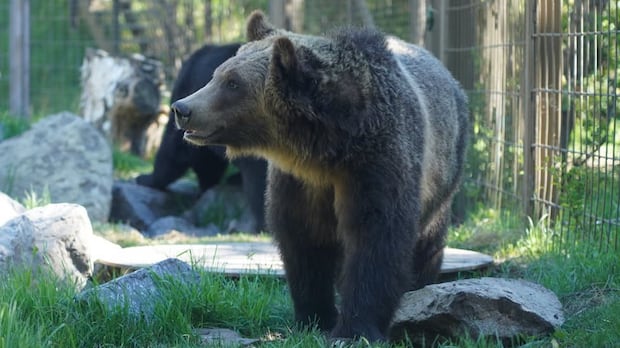
A one-year-old grizzly bear named Fitz breached his containment perimeter at the Wilder Institute’s Calgary Zoo, prompting an immediate internal security review on August 15, 2026. Facility operators confirmed the animal remained within secure operational boundaries during the brief incident, ensuring zero exposure to visiting members of the public.
Key Facts Regarding the Incident
- The escape involved Fitz, a one-year-old grizzly bear housed at the Wilder Institute’s Calgary Zoo facility.
- Zoo personnel located the animal quickly on the morning of August 15, 2026, avoiding prolonged tracking efforts.
- Facility directors confirmed that public safety remained uncompromised throughout the entirety of the security breach.
- An active internal investigation is currently underway to determine the exact mechanics of conservation enclosure failure.
- No injuries to staff members or visitors occurred during the capture and containment process.
Anatomy of a Zoological Containment Failure
Modern zoological institutions rely on multi-tiered barrier systems to prevent wildlife escapes. These defenses typically combine physical fencing, electric strands, and natural topographical deterrents like deep moats. When a juvenile animal breaches these lines, engineers look closely at material fatigue, animal behavior adaptation, or operational oversight. Young bears exhibit high levels of curiosity and physical agility. This developmental stage frequently tests the limits of standard exhibit architecture designed for mature wildlife specimens. Historical context shows that juvenile apex predators account for a disproportionate percentage of minor perimeter tests across global conservation parks.
Infrastructure Integrity and Modern Safety Standards
Zoo architecture must balance animal welfare with absolute human safety. Enclosures aim to simulate natural habitats while maintaining impenetrable boundaries. Advanced monitoring technologies, such as perimeter sensors and high-definition thermal cameras, usually provide the first line of defense against unexpected breaches. Investigators at the Calgary Zoo will review footage from these surveillance systems to pinpoint how the young bear bypassed the primary security layers. Understanding the exact vector of the escape helps facility engineers reinforce vulnerable points before returning the animal to public view. Over the past decade, technological upgrades in biometrics and automated tracking have drastically reduced the window of exposure during unexpected animal movements.
Regulatory Oversight and Institutional Accountability
Accredited zoological parks operate under stringent guidelines established by governing bodies like the Association of Zoos and Aquariums. Every containment breach triggers mandatory reporting protocols and comprehensive safety audits. Regulators inspect physical infrastructure, keeper protocols, and daily enrichment logs to identify procedural gaps. Accountability remains a cornerstone of modern conservation management. Public trust depends on transparent disclosures when containment protocols experience unexpected failures, regardless of whether those failures result in immediate harm. Stakeholder analysis indicates that absolute transparency reinforces long-term community support for urban conservation projects.
When regulatory bodies step in, they evaluate not only physical hardware but also human factors such as keeper training routines and shift-handover communication. This multi-layered accountability model ensures that minor glitches do not compound into systemic safety risks. Furthermore, comparative analysis with similar incidents globally demonstrates that institutions which proactively publish their findings recover public trust significantly faster than those that maintain defensive postures.
The Broader Implications for Wildlife Tourism
Incidents involving apex predators in captivity spark renewed public debate regarding the ethics and safety of keeping large mammals in urban environments. Critics often point to containment breaches as evidence of inherent risks associated with captive wildlife displays. Conversely, institutional advocates emphasize that modern zoos serve critical roles in species conservation, public education, and scientific research. Balancing these competing viewpoints requires continuous technological improvements in habitat design. Every security review contributes to the evolution of safer, more secure environments for both animals and human observers.
Looking ahead over the next 6 to 12 months, industry observers expect accelerated capital investments in secondary containment barriers across North American facilities. As climate shifts and animal husbandry practices evolve, proactive retrofitting will become the baseline expectation for urban wildlife centers aiming to mitigate reputational and physical risks.
Risk Mitigation and Emergency Response Protocols
Swift emergency response defines the success of modern zoo operations. Staff members train rigorously for containment scenarios using standardized protocols designed to minimize stress on the animal and eliminate danger to humans. The rapid location and recovery of Fitz demonstrate the effectiveness of these internal drills at the Calgary Zoo. However, preventing the initial breach remains the primary objective for facility managers. Upgrading physical barriers and increasing behavioral monitoring represent standard responses to such security events.
What Happens Next
The internal review at the Wilder Institute’s Calgary Zoo will dictate the future housing arrangements for Fitz. Engineers and animal care specialists will implement necessary structural modifications before reopening the enclosure. Regulatory authorities will review the final incident report to ensure compliance with provincial and national safety standards. For the global zoological community, this event serves as a critical case study in juvenile predator management and enclosure reinforcement.
Source: Original Article