
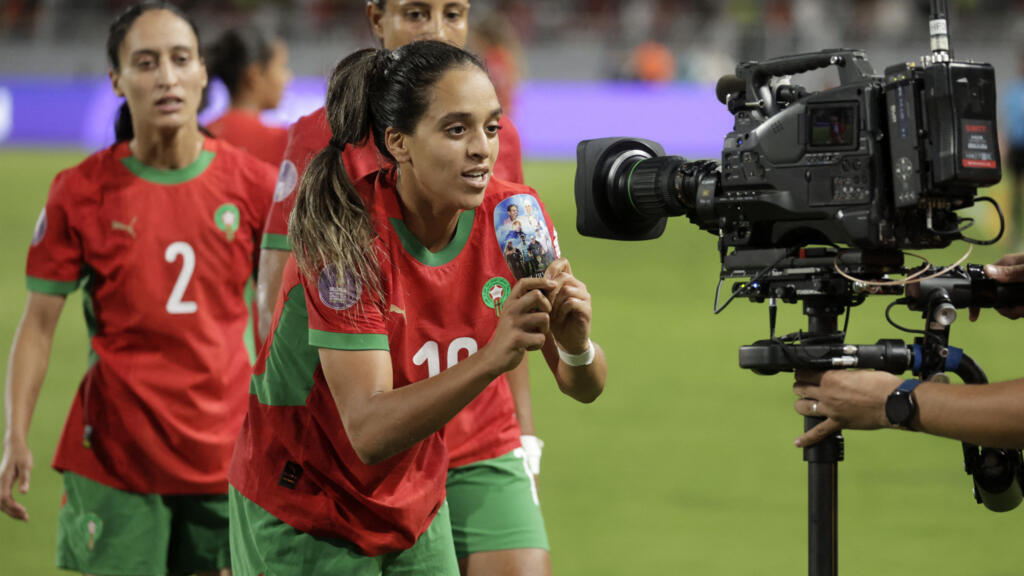
Malawi and Cameroon meet tonight in Rabat for the WAFCON final, marking a historic milestone for African women’s football. This championship match brings global attention to the tournament, yet it also exposes deep-seated structural inequalities within international sports administration and media broadcasting.
Sports journalist Charlotte Richardson analyzed these persistent operational challenges during an interview with FRANCE 24. She detailed how structural disparities continue to limit the financial and commercial growth of female athletic competitions worldwide, requiring urgent reforms from international federations.
Key Facts About WAFCON Final Disparities
- The Women Africa Cup of Nations final takes place in Rabat, featuring Malawi against Cameroon.
- Journalist Charlotte Richardson revealed persistent gaps in media coverage, financial backing, and sports infrastructure.
- Organizers postponed the tournament earlier this year at the last minute, an administrative disruption unseen in professional men’s divisions.
- Female athletes face lower wage structures, restricted broadcast hours, and subpar training facilities compared to their male counterparts.
- Global sports networks allocate a fraction of their total production budgets to women’s sports properties.
Structural Inequality in Global Sports Media
Media representation remains a primary bottleneck for the commercial expansion of women’s athletics. Broadcasters historically prioritize men’s leagues, creating a self-fulfilling prophecy where lower viewership justifies reduced coverage. This cycle starves athletic federations of crucial advertising revenue and broadcast rights fees.
Digital streaming platforms offer a viable alternative to traditional television broadcasting. Independent channels now deliver high-definition match feeds directly to global audiences without traditional gatekeepers. However, production values and technical delivery standards still lag behind elite men’s fixtures.
Equitable media distribution requires deliberate corporate investment and policy mandates. Without guaranteed airtime during prime viewing hours, women’s teams struggle to attract major corporate sponsors. Sponsors demand broad consumer visibility before committing multi-million-dollar marketing budgets.
Financial Disparities and Funding Gaps
Financial investment dictates the quality of talent development, medical support, and competitive readiness. Elite male squads operate within multi-billion-dollar ecosystems supported by lucrative merchandising and ticket sales. Conversely, women’s national teams frequently rely on government subsidies or philanthropic funding.
The sudden postponement of the WAFCON tournament earlier this year demonstrates administrative instability. Major men’s tournaments like the Africa Cup of Nations or the UEFA European Championship operate under rigid, highly protected schedules. Altering a premier men’s tournament at the last minute would trigger severe commercial penalties and stakeholder backlash.
Closing this wealth gap requires structural revenue-sharing models within national and international governing bodies. FIFA and regional confederations must mandate minimum salary floors and professional standards across all member associations.
Infrastructure and Resource Deficit
Training facilities, sports science support, and recovery resources directly impact player longevity and match performance. Many female players train on substandard pitches that elevate injury risks, particularly regarding anterior cruciate ligament tears. Advanced biomechanical monitoring and dedicated medical staffs remain rare outside top-tier European and North American clubs.
Infrastructure deficits also extend to stadium quality and matchday logistics. High-profile matches deserve state-of-the-art venues equipped with modern broadcasting equipment and fan amenities. Upgrading these facilities elevates the prestige of the competition and improves the overall fan experience.
Investment in grassroots infrastructure creates a sustainable talent pipeline. When young girls access safe, well-equipped training environments, the overall competitive standard of the sport rises exponentially.
Expert Perspectives on Industry Stakes
Industry analysts emphasize that ignoring women’s sports represents a missed commercial opportunity. Brands that invest early in emerging sports properties secure high-value partnerships at a fraction of saturated men’s market costs. Forward-thinking companies recognize the untapped purchasing power of diverse sports demographics.
Conversely, sports administrators who maintain status-quo policies risk alienating modern, socially conscious consumers. Younger demographics actively boycott organizations that perpetuate gender-based discrimination or resource allocation inequities. Accountability is no longer optional in the digital era.
Players and coaches continue to use their platforms to demand structural reform. Their collective advocacy transforms athletic excellence into a powerful catalyst for broader societal change.
Historical Context and Evolution of Women’s Football
The movement for professional recognition in women’s football has evolved significantly over the past decade. Historically sidelined by male-dominated administrative bodies, female athletes relied heavily on grassroots advocacy and legal challenges to secure basic training rights. The establishment of dedicated continental windows and expanded tournament formats marked the beginning of modern professionalization, yet administrative parity remains incomplete.
Stakeholder Analysis: Winners and Losers
Streaming platforms, alternative media outlets, and forward-thinking corporate sponsors stand to gain substantial market share by investing early in women’s sports properties. Conversely, traditional sports networks and administrative bodies that cling to legacy distribution models risk alienating younger, digitally native demographics who demand equity and transparency.
Future Implications for the Next 12 Months
Over the coming year, governing bodies face mounting pressure to implement equitable revenue-sharing frameworks and standardized wage floors. Failure to address these operational vulnerabilities will likely result in player strikes, legal disputes, and diminished commercial valuations across international fixtures.
Comparative Analysis: Men’s vs. Women’s Tournaments
While premier men’s competitions benefit from multi-year broadcast guarantees and dedicated commercial ecosystems, women’s tournaments frequently navigate last-minute schedule changes and substandard logistical support. Bridging this operational gap requires binding regulatory frameworks enforced by global authorities like FIFA.
Why This Matters
The WAFCON final is not merely a soccer match; it is a litmus test for global sports equity. Addressing funding, media, and infrastructure gaps transforms athletics into a meritocratic industry. Sustainable growth benefits players, investors, and fans who demand professional standards across all competitions.
Future Outlook for Women’s Football
The commercial trajectory of women’s football points toward sustained, long-term expansion. Increased digital connectivity allows fans to consume content globally, bypassing traditional geographical broadcasting barriers. Governing bodies must modernize their administrative approaches to match this rising demand.
As corporate sponsors recognize the high return on investment in women’s sports, capital inflow will accelerate. The lessons learned from the WAFCON administrative hurdles will guide future policy decisions, ensuring greater stability and professional respect for elite female athletes worldwide.
Source: Original Article