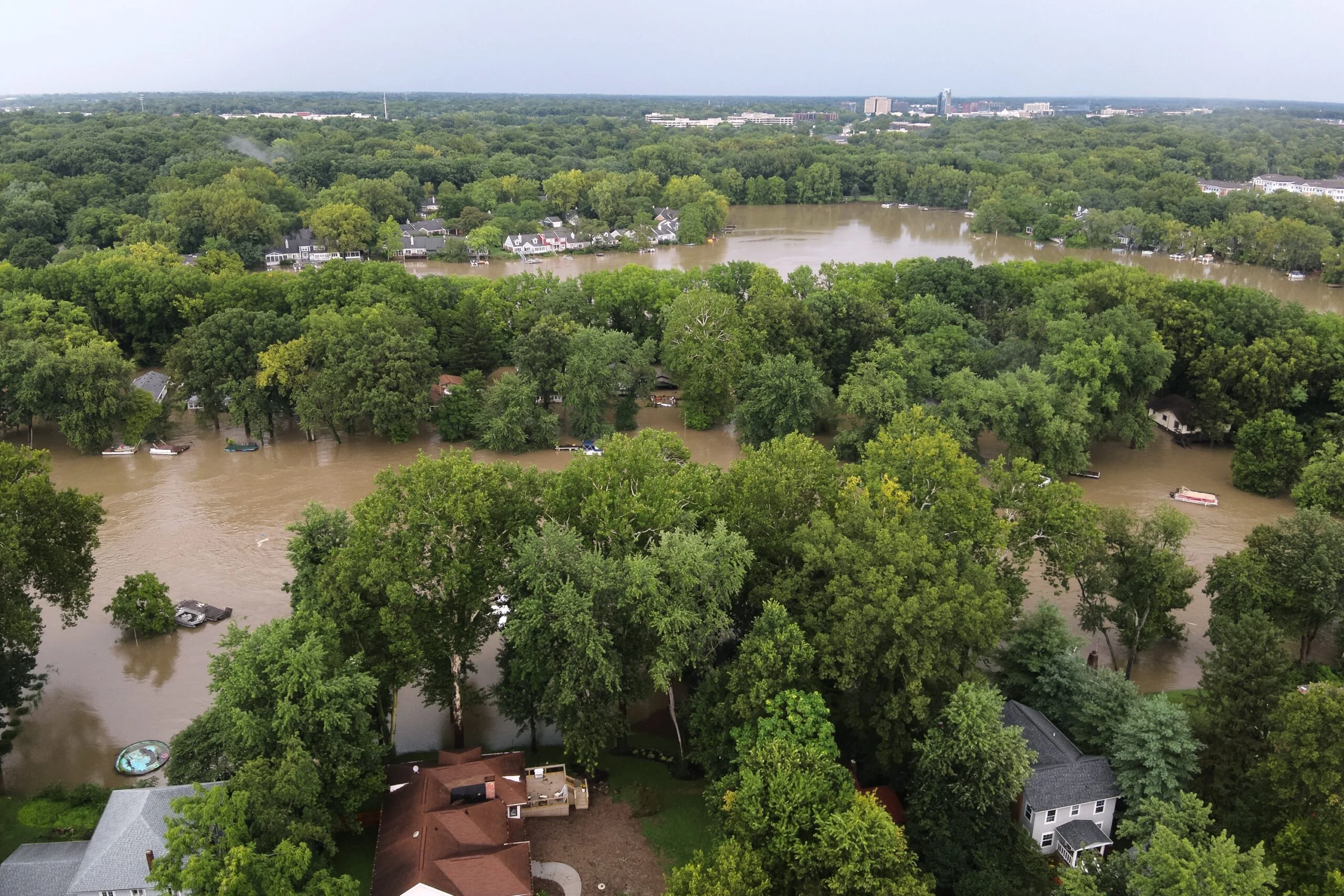
State officials in Indiana and Illinois are bracing for severe Midwest flooding through the weekend of August 15, 2026. Emergency response units are mobilizing across affected river basins as persistent heavy rainfall pushes local waterways past critical flood stages. Communities along the Wabash and Ohio river systems face immediate inundation threats as saturated soils fail to absorb additional precipitation.
Critical Infrastructure Under Threat
- Indiana state agencies formally requested federal disaster assistance from the Federal Emergency Management Agency on August 15, 2026.
- Meteorological forecasts predict an additional two to four inches of rainfall across Illinois and Indiana before Monday morning.
- Transportation networks, including vital freight rail corridors and interstate highways, face temporary closures due to high water levels.
- Local agricultural cooperatives report substantial crop inundation across low-lying acreage in the Corn Belt region.
The convergence of saturated ground and dense infrastructure creates high vulnerability for urban drainage systems. Municipal water treatment facilities in smaller Indiana townships operate near capacity. Engineers deploy temporary levees and high-capacity pump systems to protect electrical substations and municipal water plants. This physical strain highlights long-standing vulnerabilities in regional flood management frameworks.
Economic Pressures on Regional Supply Chains
Logistical disruptions ripple outward from the Midwest as barge traffic slows along major river arteries. Agricultural supply chains absorb immediate losses as grain storage facilities near river ports experience water intrusion. Insurance markets face increased claims volume for property damage in designated flood zones. Regional manufacturing plants rely on uninterrupted freight transit, meaning that road and rail closures directly impact national production schedules.
Federal intervention becomes necessary when state and local financial reserves reach depletion thresholds. Emergency declarations unlock specialized funding streams for rapid debris removal, infrastructure repair, and temporary housing provisions. The Federal Emergency Management Agency evaluates damage assessments submitted by local emergency management directors to determine final grant allocations. Bureaucratic processes often lag behind immediate physical needs, forcing municipal governments to draw heavily on local rainy-day funds.
Historical Context and Modern Watershed Challenges
The escalating frequency of Midwest flooding is part of a broader historical trend linked to shifting atmospheric moisture patterns. Traditional hydrological models, built strictly on twentieth-century weather data, no longer account for modern precipitation intensity. Civil engineers now face the monumental task of upgrading assets to withstand rapid deluges and prolonged soil saturation. Historical data shows that repetitive loss properties continue to strain federal disaster funds, necessitating a structural shift to proactive engineering.
Upstream retention projects and wetland restoration initiatives offer natural buffers that absorb excess runoff before it reaches vulnerable urban centers. Regional collaboration among Indiana, Illinois, and neighboring states sets the blueprint for modern watershed management, moving away from isolated local responses toward integrated basin-wide strategies. Federal agencies increasingly prioritize proactive hazard mitigation grants to break the cycle of repeated destruction.
Climate Resilience and Infrastructure Adaptation
Extreme weather events occur with increased frequency across the American Midwest. Civil engineers must rethink traditional hydrological models that rely strictly on past century data. Modern infrastructure investments require higher design thresholds to withstand rapid deluges and prolonged saturation periods. Smart sensor networks embedded in levees and dams provide real-time data to municipal operators during crisis events.
Data-driven disaster response minimizes downtime and protects civilian populations from catastrophic loss of life and property. Local governments increasingly adopt geographic information system mapping to identify high-risk residential zones and critical infrastructure nodes. Public-private partnerships facilitate faster deployment of heavy machinery and temporary flood barriers during active weather emergencies. Technology integration remains the primary defense against volatile seasonal weather patterns.
Financial Stakeholders and Economic Realities
Property owners in flood-prone areas face rising insurance premiums under updated federal risk-rating systems. Municipal bond markets react to repeated natural disasters by reassessing the credit ratings of local governments facing high repair costs. Taxpayers ultimately shoulder the long-term financial burden of rebuilding damaged public assets unless proactive mitigation measures are implemented. Investors increasingly favor municipalities demonstrating robust climate adaptation strategies.
Insurance companies absorb heavy losses during widespread regional flood events, leading to policy cancellations or prohibitive rate hikes in high-risk zones. Federal flood insurance programs provide a vital backstop but struggle with structural deficits driven by repetitive loss properties. Policymakers debate mandatory disclosure laws for home buyers regarding historical flood data to protect consumers from unmitigated financial risks.
Future Outlook for Midwestern Watersheds
Mitigating future crises requires coordinated interstate management of major river basins rather than isolated local responses. Upstream retention projects and wetland restoration initiatives offer natural buffers that absorb excess runoff before it reaches urban centers. Federal agencies must prioritize proactive engineering grants over reactive disaster relief payouts to break the cycle of repeated destruction. Regional collaboration among Indiana, Illinois, and neighboring states sets the blueprint for modern watershed management.
Long-term recovery depends on sustained funding for climate-resilient infrastructure and strict enforcement of modern zoning laws. Communities that embrace adaptive urban planning will minimize economic disruption during future weather extremes. The current crisis serves as a stark reminder of the urgent need for structural resilience across America’s heartland.
Source: Original Article