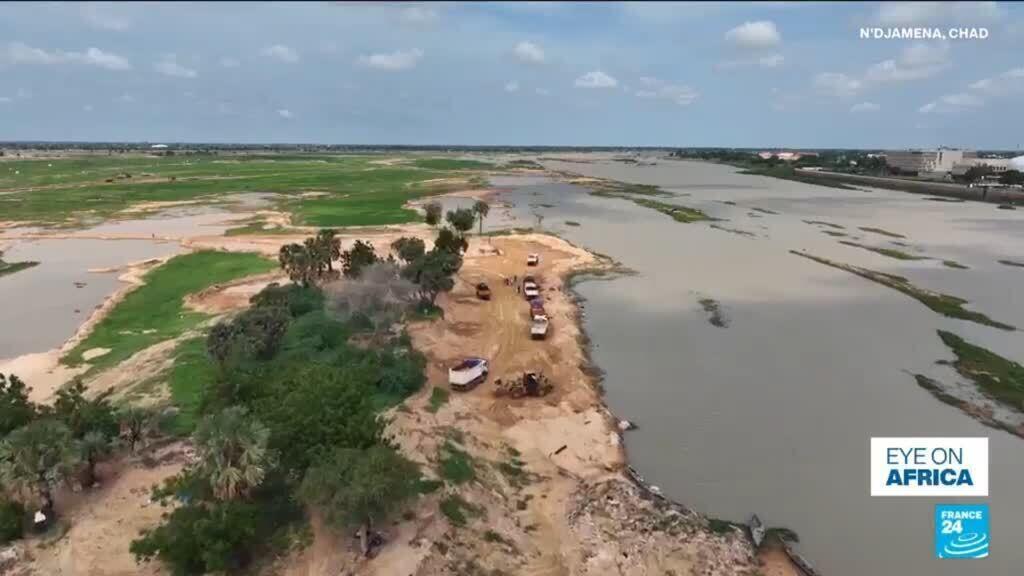
In a major regulatory shift prioritizing ecological preservation over urban development, Chad’s Ministry of Mines has banned sand extraction along the Chari River near N’Djamena. Enforced in 2024, this sweeping directive halts decades of unregulated aggregate harvesting that destabilized local waterways and eroded riparian habitats. Officials deployed security teams to safeguard aquatic biodiversity, seize unauthorized dredging equipment, and prevent structural collapse along municipal riverbanks.
Key Facts Regarding the Chari River Prohibition
- The Ministry of Mines issued the strict ban in 2024 to halt severe environmental degradation along the Chari River.
- Intensive aggregate harvesting heavily concentrated around N’Djamena triggered severe erosion.
- Thousands of local laborers and informal workers rely directly on riverbed mining for daily income.
- Municipal authorities deployed enforcement teams to monitor vulnerable river sections and seize unauthorized dredging equipment.
- Construction supply chains face immediate shortages of concrete aggregate, threatening regional infrastructure projects.
Environmental Degradation of the Chari River Basin
Decades of dredging altered the hydrological profile of the Chari River. Heavy machinery stripped away stabilizing vegetation, accelerating soil erosion and widening the river channel. This degradation destroyed fish spawning grounds and disrupted the local food web. Government assessments confirmed that unchecked harvesting would compromise municipal flood defenses, threatening thousands of urban residents.
The Socioeconomic Dilemma for N’Djamena Laborers
While ecological restoration remains the goal, the decree creates a humanitarian crisis for thousands of informal workers. Manual laborers possess few alternative skills in N’Djamena’s rigid labor market. Small-scale transport operators face sudden bankruptcy without government-backed transition programs. Analysts warn that criminalizing this trade risks driving laborers into illicit extraction operations and underground criminal networks.
Construction Sector Vulnerability and Supply Chain Pressures
Urban expansion across N’Djamena relies on affordable river sand for concrete and masonry. Halting extraction cuts off the primary aggregate supply for real estate developers. Construction costs will surge as builders source materials from distant inland quarries, straining housing budgets. Urban planners must identify alternative supply chains to prevent a paralysis of the domestic construction industry.
Regulatory Enforcement and Geopolitical Context
Enforcing environmental laws presents logistical challenges for Chadian authorities. Monitoring remote riverbanks requires substantial capital and anti-corruption measures. Neighboring Central African nations face similar dilemmas balancing infrastructure growth against the preservation of transboundary water basins like Lake Chad. International agencies urge regional governments to adopt sustainable resource management frameworks, yet enforcement remains weak across the Sahel.
Historical Context and Comparative Analysis
The prohibition mirrors regulatory crackdowns across African river basins, such as the Niger and Nile rivers, where unchecked sand mining threatens freshwater ecosystems. Rapid urbanization fueled an insatiable demand for concrete, turning artisanal riverbed mining into an informal economy. As climate change accelerates weather volatility, governments must choose between short-term employment and long-term hydrological survival.
Stakeholder Analysis and Future Implications
The primary losers are impoverished sand shovelers and small-scale truck drivers who lack financial cushions. Conversely, environmental NGOs and municipal water boards gain crucial leverage to restore riparian buffers. The success of the initiative hinges on whether the government can establish regulated inland quarries and roll out workforce retraining programs before social unrest boils over.
Why This Matters for Global Environmental Policy
The Chari River dispute exemplifies a universal crisis where climate vulnerability clashes with acute urban poverty. Developing nations frequently sacrifice long-term ecological stability for short-term economic survival. When governments impose unilateral bans without economic alternatives, marginalized populations suffer while underground markets flourish. Resolving this conflict demands public-private partnerships that fund ecological restoration while retraining displaced workers.
Looking Ahead: The Future of Urban Construction in Chad
Municipal authorities face pressure to establish regulated inland sand quarries that minimize environmental destruction while supplying urban builders. Policymakers must allocate emergency relief funds to retrain displaced laborers. The success of this conservation effort depends on whether the Chadian government can balance ecological preservation with economic survival.
Source: Original Article