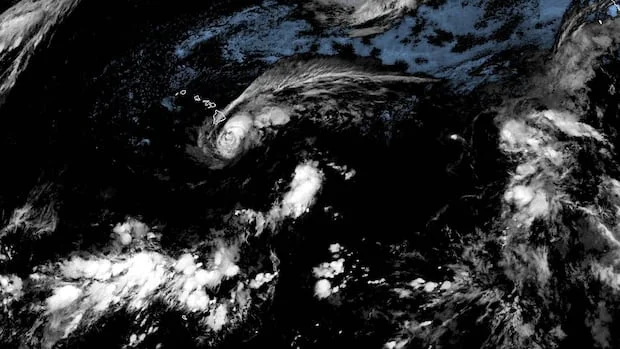
Hurricanes and severe tropical systems pose an immediate danger to the Hawaiian islands, as Tropical Storm Lala struck the Big Island on Saturday, August 15, 2026. The system brought intense rainfall and sustained winds while threatening to upgrade to a hurricane. Meteorological agencies tracking the Pacific basin noted that the system presents critical infrastructure risks across vulnerable coastal communities.
Key Facts About Tropical Storm Lala
- Date of Impact: Saturday, August 15, 2026.
- Location: Hawaii’s Big Island, Pacific Ocean.
- Current Status: Tropical storm with potential to reach hurricane strength.
- Primary Hazards: Heavy precipitation, damaging winds, and coastal erosion.
- Monitoring Agency: National Oceanic and Atmospheric Administration (NOAA).
Meteorological Dynamics of Pacific Storms
Weather systems in the central Pacific basin often experience rapid intensification due to warm ocean surface temperatures. Tropical Storm Lala developed favorable atmospheric conditions that allowed the system to sustain high-velocity winds. Meteorologists utilize advanced satellite imagery from NOAA to track barometric pressure drops and wind shear vectors in real time.
Understanding these meteorological shifts requires examining sea surface temperatures. Waters surrounding the Hawaiian archipelago currently register above historical averages. This thermal energy acts as fuel for cyclonic engines, increasing the probability of wind speeds exceeding 74 miles per hour, the official threshold for a category-one hurricane.
Predictive modeling relies on supercomputer simulations that ingest millions of data points every hour. These algorithms calculate trajectory probabilities, ensuring emergency management teams receive accurate lead times. When a storm like Lala approaches land, localized topography heavily influences rainfall distribution and wind funnelling.
Infrastructure Vulnerability in Island Ecosystems
Geographic isolation places island electrical grids and transport networks under severe stress during extreme weather events. The Big Island features diverse microclimates, ranging from coastal lowlands to high-altitude volcanic slopes. This terrain creates localized flash-flooding risks when heavy precipitation hits saturated soil.
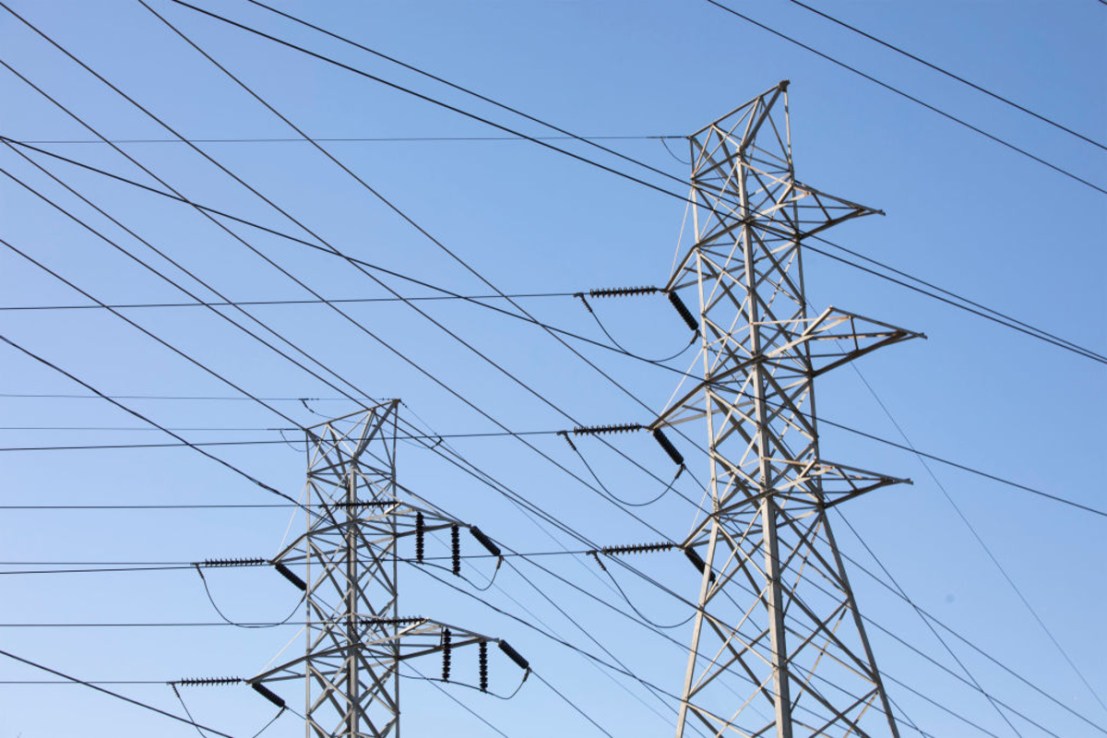
Power transmission lines across rural sectors remain particularly susceptible to wind damage. Fallen trees and mudslides frequently sever connections, leaving communities without electricity for days or weeks. Municipal authorities deploy smart-grid technologies to isolate damaged circuit sections automatically, minimizing widespread outages.
Supply chain resilience forms another critical factor during severe storms. Because Hawaii imports the vast majority of its consumer goods and fuel via maritime shipping, temporary port closures disrupt inventory levels. Retailers maintain localized emergency reserves, but prolonged shipping halts test the limits of island logistics.
Economic and Insurance Implications
Property damage resulting from tropical cyclones triggers substantial financial liabilities for regional and national insurance providers. Homeowners across Hawaii face rising premium costs as climate volatility increases the frequency of severe weather events. Insurers rely on catastrophe modeling software to price risk accurately across different postal codes.
Tourism represents the cornerstone of the state economy. Severe storm warnings prompt widespread cancellations, impacting hotel occupancy rates, aviation schedules, and local service industries. Business interruption insurance mitigates some losses, but small enterprises often absorb direct financial shocks.
Government disaster relief funds play a stabilizing role in post-storm recovery. Federal Emergency Management Agency allocations help repair damaged public infrastructure, roads, and municipal utilities. Taxpayers ultimately shoulder these escalating costs, highlighting the economic necessity of proactive climate adaptation.
Investing in resilient infrastructure reduces long-term economic expenditure. Retrofitting buildings with wind-resistant roofing materials and elevating electrical substations above flood zones lowers disaster recovery bills. Public-private partnerships increasingly fund these engineering upgrades to safeguard local economies.
Emergency Preparedness and Technological Response
Modern emergency management integrates cellular broadcast systems to deliver instant evacuation orders directly to mobile devices. The Wireless Emergency Alerts platform ensures residents receive geographically targeted warnings without delay. Emergency operations centers coordinate police, fire, and medical personnel through centralized digital dashboards.
Satellite communication backups ensure continuity of government operations even if terrestrial fiber-optic cables fail. First responders utilize ruggedized tablets equipped with geographic information systems to map damage zones and direct resources efficiently. Automated weather stations stream continuous atmospheric data back to central forecasting hubs.
Public compliance dictates the success of any evacuation protocol. Local authorities conduct annual awareness campaigns to educate residents on disaster kit assembly and evacuation routes. Clear communication channels reduce panic and save lives during high-stress meteorological events.
Why This Matters
Storms like Tropical Storm Lala demonstrate the escalating frequency of extreme weather events driven by shifting global climate patterns. Analyzing these systems provides crucial data for urban planners, insurance underwriters, and disaster response agencies worldwide. Understanding the immediate and systemic impacts of Pacific cyclones helps policymakers build more resilient communities capable of withstanding future environmental shocks.
What Happens Next
Meteorologists will continue tracking Tropical Storm Lala as it interacts with landmass topography over the coming days. Emergency services remain on high alert for flash floods and sustained wind damage until the system dissipates or moves safely away from the Hawaiian islands. Long-term recovery efforts will subsequently focus on repairing infrastructure and evaluating structural resilience protocols.
Source: Original Article