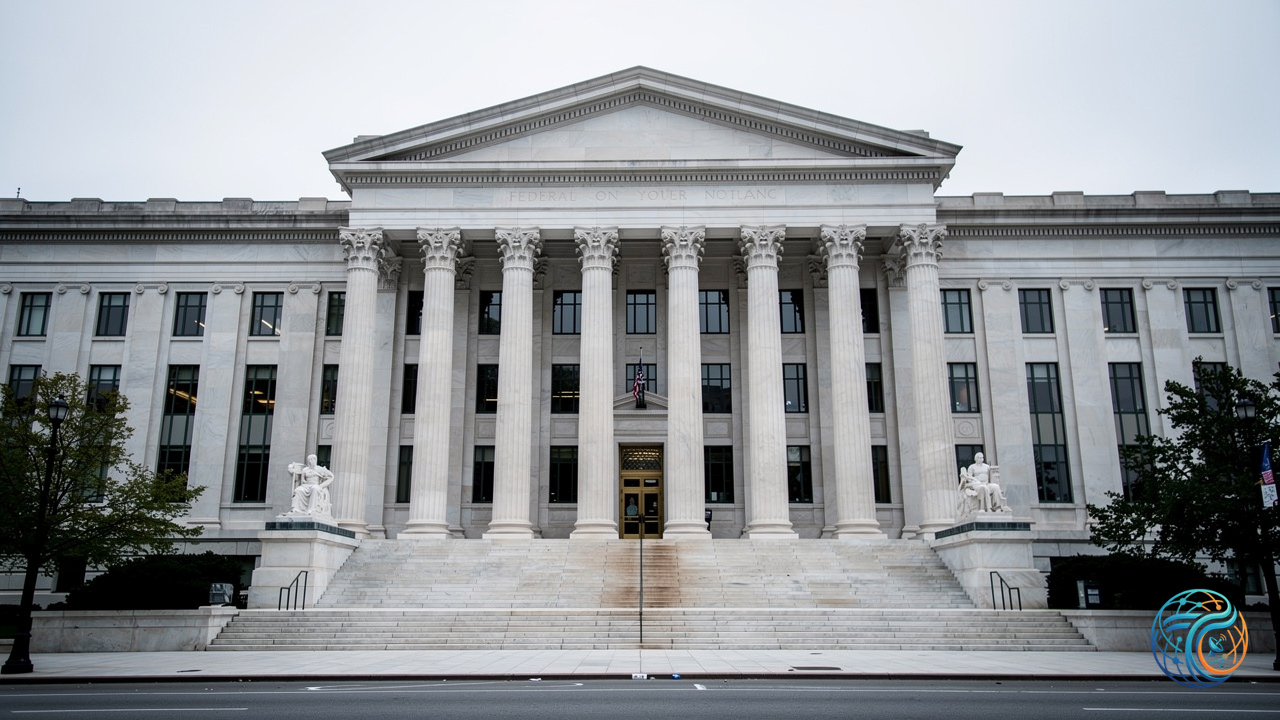

Ray Dalio Warns on Debt and Recommends Scarce Assets
Bridgewater Associates founder Ray Dalio warned that United States federal debt could climb to between $55 trillion and $60 trillion within a decade, raising the risk of severe financial disruption. In an analysis published on LinkedIn on August 21, 2026, the veteran investor suggested that expanding monetary policies, persistent deficits, and weakening demand for government bonds could erode sovereign currencies while driving demand toward scarce assets. Amid these fiscal pressures, Dalio advised investors to underweight debt assets like bonds while maintaining a diversified approach across strong economies and balance sheets. Specifically, he recommended allocating 10% to 15% of a portfolio into gold to help lower overall risk and potentially improve returns, alongside a small position in bitcoin. His outlook rests on the premise that non-government-produced monetary instruments stand to perform relatively well during periods of currency depreciation. Dalio stated in his August 21 analysis that he expects non-government-produced monies like gold and bitcoin to do relatively well. Bitcoin’s potential role rests partly on its predetermined issuance and maximum supply of 21 million coins. Its store-of-value characteristics include scarcity, portability, self-custody, and resistance to monetary debasement, although substantial volatility prevents it from providing consistent short-term stability. Dalio’s support remains measured rather than unconditional, reflecting his continued preference for gold as the more established monetary asset. In May, he argued that bitcoin’s correlation with technology stocks weakens its safe-haven appeal when investors sell volatile holdings to cover losses elsewhere. Federal finances already reflect several pressures highlighted in Dalio’s debt-cycle framework, including persistent deficits and rising interest costs. The Congressional Budget Office projected a $1.9 trillion fiscal 2026 deficit, with federal outlays of $7.4 trillion, revenue of $5.6 trillion, and debt held by the public reaching 120% of gross domestic product by 2036. America’s debt accumulation has continued at a rapid pace, strengthening arguments that scarce assets could provide protection against long-term currency depreciation. Total public debt outstanding reached $40.05 trillion as of the close of business August 18, passing $40 trillion for the first time, Treasury figures released August 19 showed. Debt growth had already been running fast ahead of that milestone, adding nearly $1 trillion within five months. Dalio said current projections imply another substantial increase over the coming decade as deficits require continued borrowing and interest expenses consume more federal revenue. The investor wrote that after taking the recently passed budget reconciliation bill into account, most independent assessors of the situation project that the debt in 10 years will be $55 trillion to $60 trillion. A full debt crisis could arrive in three years, give or take two, if the country’s fiscal course does not change, Dalio guessed, setting out that timing alongside the debt projection in a summary of his book, How Countries Go Broke: The Big Cycle. The U.S. Department of the Treasury added another signal when it expanded long-term liquidity-support buybacks on August 19, increasing the maximum purchase size for certain 10- to 30-year securities from $2 billion to at least $4 billion per operation, effective September 9 through November 4. The expansion revived discussion of the debasement trade, under which investors reduce exposure to currencies and bonds while favoring scarce assets. Bitcoin advanced as the Treasury buyback announcement drew attention to dollar weakness, although Treasury repurchases do not constitute Federal Reserve quantitative easing and do not create money by themselves. Dalio also recognizes risks that could limit bitcoin’s monetary role despite its fixed supply and borderless network, having identified potential vulnerabilities in bitcoin’s code, government controls, transaction transparency, and the possibility that central banks may remain unwilling to treat it as a reserve asset. His current position represents a shift from 2020, when he questioned bitcoin’s usefulness as money and warned that governments could restrict it if it became threatening to sovereign currencies, though he acknowledged he could be wrong and invited proponents to address his concerns. The Bridgewater Associates founder ultimately favors broad diversification while reducing exposure to debt assets and allocating some capital to non-government money, advising investors to underweight debt assets like bonds and overweight gold and a bit of bitcoin. Having a small percentage—maybe 10% to 15%—of one’s money in gold can reduce a portfolio’s risk, and he thinks it would also raise its return.
U.S. Debt Reaches $40 Trillion Milestone
Federal financial records released by the U.S. Treasury on August 19, 2026, revealed that total public debt outstanding crossed the $40 trillion threshold for the first time, closing at $40.05 trillion as of August 18. This rapid debt accumulation added nearly $1 trillion over a five-month span, driven by structural pressures such as ongoing budget deficits and mounting interest expenses. Independent assessors evaluating the budget reconciliation bill project that federal debt will expand dramatically over the next ten years to between $55 trillion and $60 trillion. According to Dalio’s summary of his book, How Countries Go Broke: The Big Cycle, a full-scale fiscal crisis could emerge within three years, give or take two years, unless the country changes its current trajectory. Additional projections from the Congressional Budget Office anticipate a fiscal 2026 deficit of $1.9 trillion, featuring $7.4 trillion in outlays, $5.6 trillion in revenues, and public debt held by the public reaching 120% of gross domestic product by 2036. On August 19, 2026, the U.S. Department of the Treasury announced an expansion of its long-term liquidity-support buyback operations. The department increased its maximum purchase size for specific 10- to 30-year securities from $2 billion to at least $4 billion per operation, running from September 9 through November 4. This policy adjustment stimulated discussions regarding the debasement trade, wherein market participants scale back their exposure to traditional currencies and government bonds in favor of scarce commodities. Although these Treasury repurchases do not function as Federal Reserve quantitative easing and do not generate new money independently, the announcement coincided with a broader discussion about dollar weakness and prompted upward price movement for bitcoin. Despite acknowledging bitcoin’s fixed supply cap of 21 million coins, borderless network, portability, self-custody, and resistance to debasement, Dalio’s endorsement remains measured. He continues to favor gold as a more established monetary asset, citing several vulnerabilities that could restrict bitcoin’s long-term monetary viability, including potential code vulnerabilities, government regulatory controls, transaction transparency concerns, and the uncertainty of whether central banks will ever adopt it as a reserve asset. Dalio previously noted in May that bitcoin’s high volatility and correlation with technology stocks can undermine its safe-haven status when investors liquidate risk assets to cover losses elsewhere. This perspective marks an evolution from his 2020 warnings regarding government restrictions on alternative currencies, though he remains open to reassessment if proponents can address his concerns. The Treasury Department’s expanded long-term securities buybacks are scheduled to run from September 9 through November 4, 2026, while analysts continue to monitor federal borrowing rates and macroeconomic indicators for signs of accelerating debt expansion under current projections.
Source: Original Article