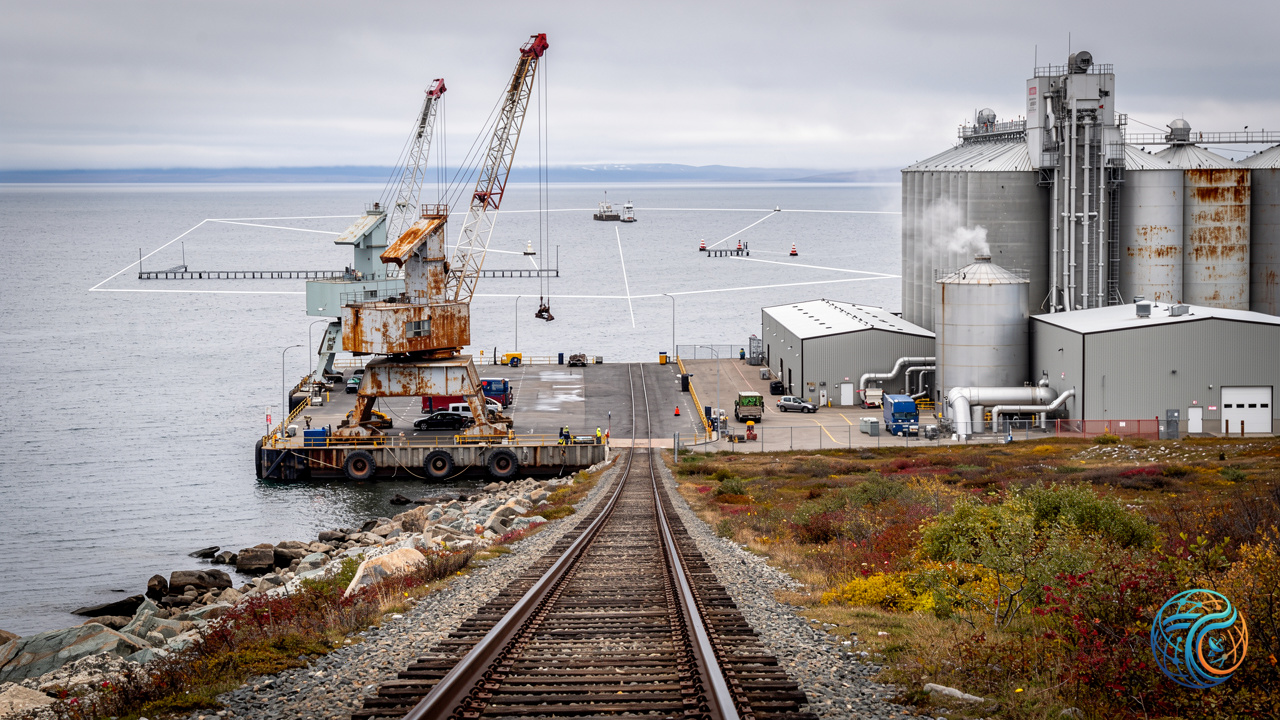
Manitoba Premier Wab Kinew has disclosed that scaling up operations at the Port of Churchill could require an investment between $70 billion and $80 billion. The ambitious infrastructure undertaking involves significant development within Hudson Bay, most notably the integration of an offshore liquefied natural gas (LNG) terminal designed to reshape regional energy transport and northern shipping corridors.
Assessing the Hudson Bay Mega-Project
The proposed enhancements to northern maritime infrastructure place a heavy emphasis on industrial scaling and resource export capabilities. Premier Kinew outlined the staggering financial requirements during discussions surrounding the future of northern trade routes. As global shipping dynamics shift and interest in Arctic and sub-Arctic navigation grows, stakeholders are closely evaluating the feasibility of routing major energy commodities through Hudson Bay.
The core components and financial parameters highlighted by the provincial leadership include:
- Estimated Cost: $70 billion to $80 billion for full realization.
- Key Infrastructure: Port of Churchill expansion and an offshore liquefied natural gas terminal.
- Geographic Location: Hudson Bay region, Manitoba.
Strategic Implications for Northern Shipping
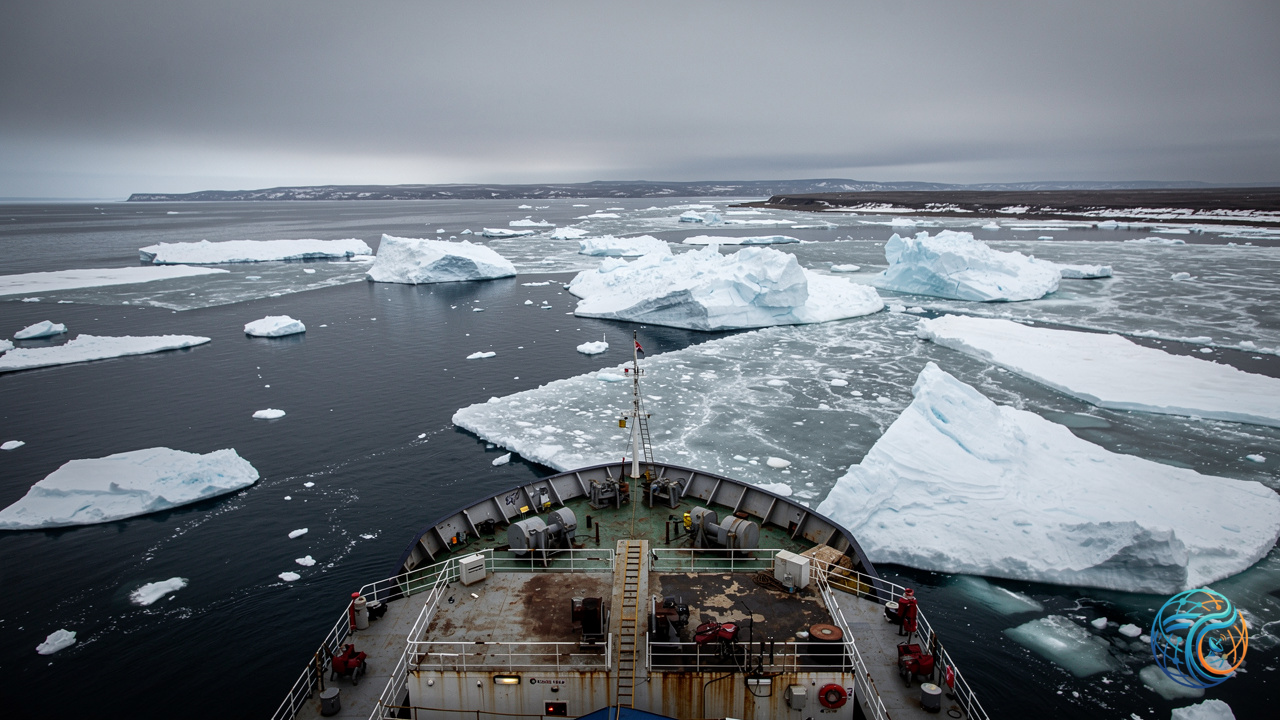
Expanding the Port of Churchill and introducing a dedicated offshore LNG facility represents a transformative step for industrial logistics in central and northern Canada. Historically, navigating the ice conditions of Hudson Bay has presented severe logistical hurdles for commercial shipping fleets. Modern icebreaking vessels, such as those operated by firms like Fednav, continue to study and test the viability of year-round or extended-season transit through northern waters, providing essential data for massive projects of this scale.
While the capital expenditure required reaches up to $80 billion, proponents argue that unlocking northern trade routes could fundamentally alter Canada’s energy export capabilities. However, balancing the immense financial investment with environmental safeguards and technical challenges in harsh sub-Arctic conditions remains a primary consideration for policymakers and industry experts alike.
Source: Original Article