
Japan is taking a significant step forward in modernizing its public sector technology as Polimill implements OpenAI technologies to build next-generation public AI infrastructure for municipalities across the country. By harnessing advanced language models and developer tools, the initiative aims to fundamentally transform how local governments handle administrative data, streamline internal workflows, and accelerate the development of civic digital services. As public institutions worldwide grapple with the complexities of digital transformation, this deployment highlights a practical approach to embedding frontier artificial intelligence directly into the operational backbone of local governance.
Transforming Administrative Knowledge Management
At the core of related initiatives is the integration of advanced artificial intelligence to solve a persistent bureaucratic challenge: navigating, searching, and utilizing vast repositories of administrative knowledge. Municipalities accumulate decades of documentation, policy guidelines, legal precedents, and citizen interaction records, which are often siloed and difficult to query efficiently. By leveraging OpenAI GPT models, Polimill provides local government workers with sophisticated tools designed to parse, index, and retrieve complex administrative data in real time.
This capability drastically reduces the time spent on manual research and document review. Instead of navigating cumbersome internal databases, civil servants can utilize natural language queries to surface relevant policies, historical decisions, and regulatory frameworks. This seamless access to institutional knowledge not only improves the speed of daily municipal operations but also ensures greater consistency and accuracy in public service delivery.
Accelerating Civic Tech Development with Codex
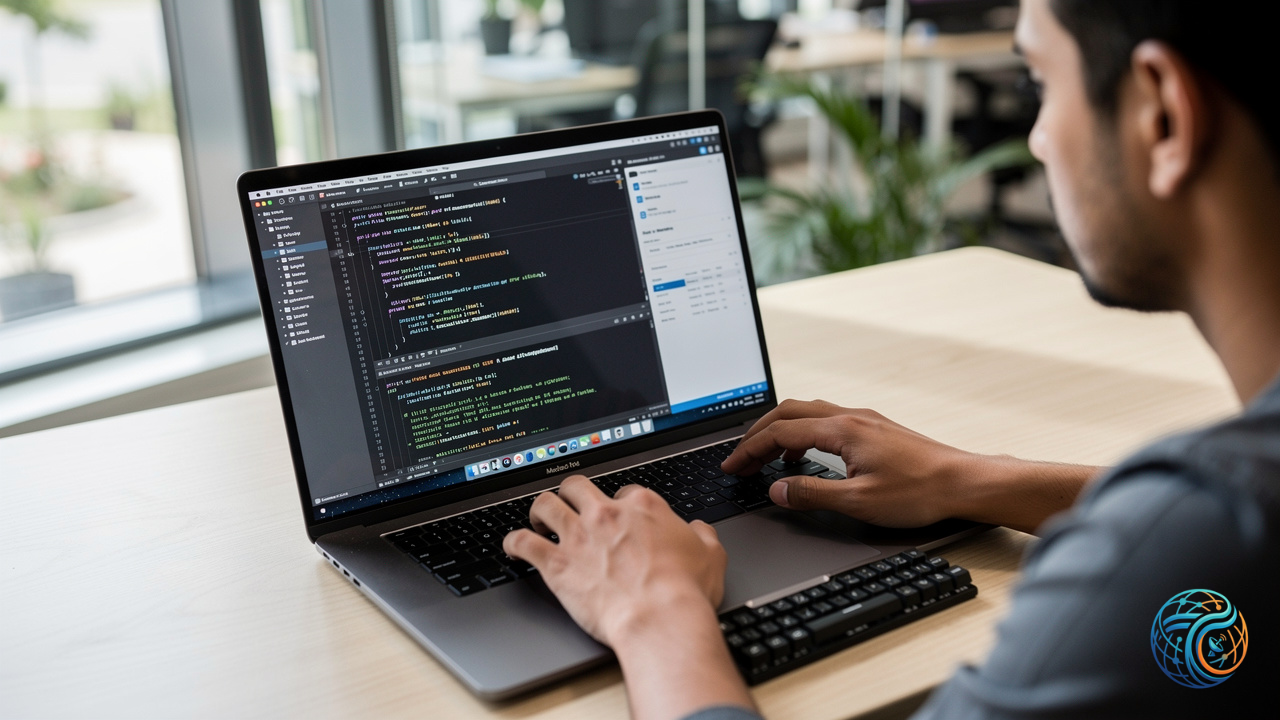
Beyond knowledge retrieval, the integration of OpenAI Codex plays a vital role in accelerating the actual development of digital tools and applications for Japanese municipalities. Public sector technology projects often face strict budgetary constraints, prolonged development cycles, and a shortage of specialized engineering talent. By utilizing Codex to assist with software engineering tasks, Polimill helps bridge the technical gap.
- Automated Code Generation: Assists developers in writing, debugging, and translating software requirements into functional code efficiently.
- Rapid Prototyping: Enables municipal tech teams to test and deploy new administrative tools and digital public services in a fraction of the usual time.
- Workflow Optimization: Streamlines backend processes to ensure civic applications are scalable, secure, and tailored to local government requirements.
- Resource Efficiency: Maximizes the productivity of available engineering personnel, allowing projects to scale without proportional increases in technical overhead.
The Broader Impact on Public Infrastructure
The collaboration between Polimill and OpenAI represents a broader shift toward scalable, intelligent public infrastructure. As municipalities face demographic shifts, shrinking workforces, and rising demands for digital-first government services, automated administrative assistance is evolving from an experimental novelty into an essential operational pillar. By establishing a robust framework powered by state-of-the-art language models, Polimill is setting a technical precedent for how national and local governments can responsibly adopt generative artificial intelligence to serve citizens more effectively.
Source: Original Article