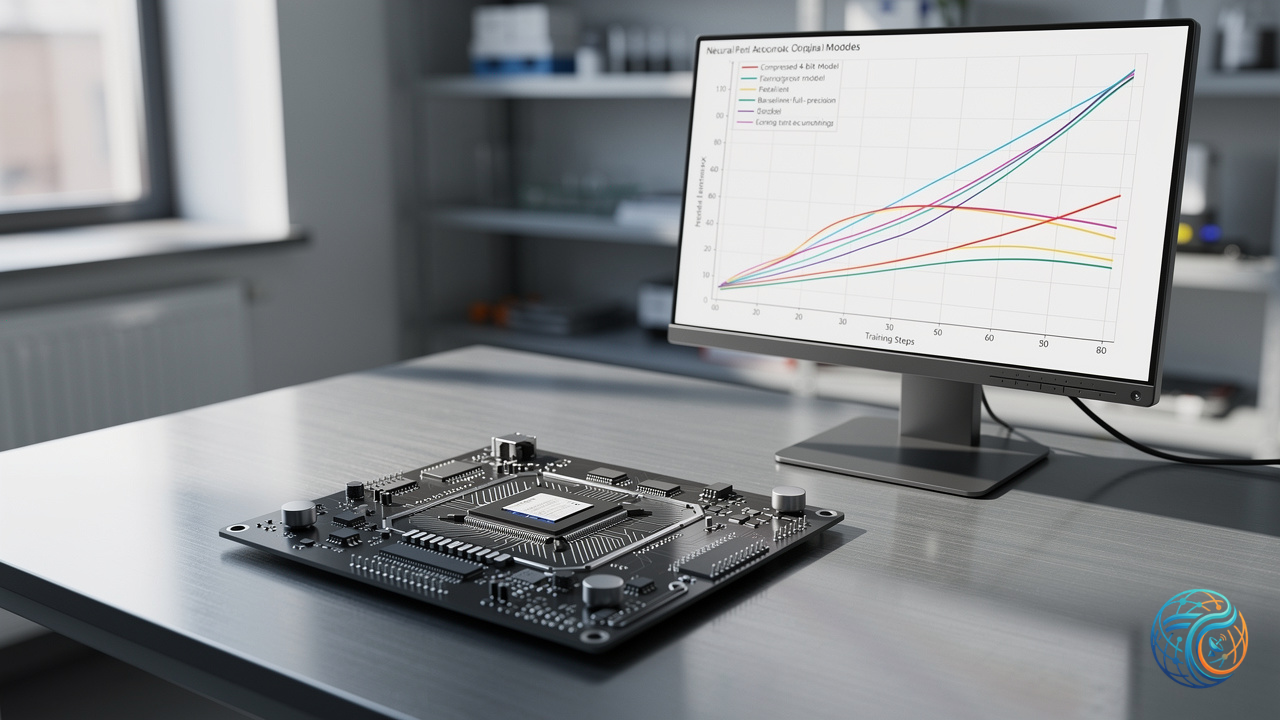
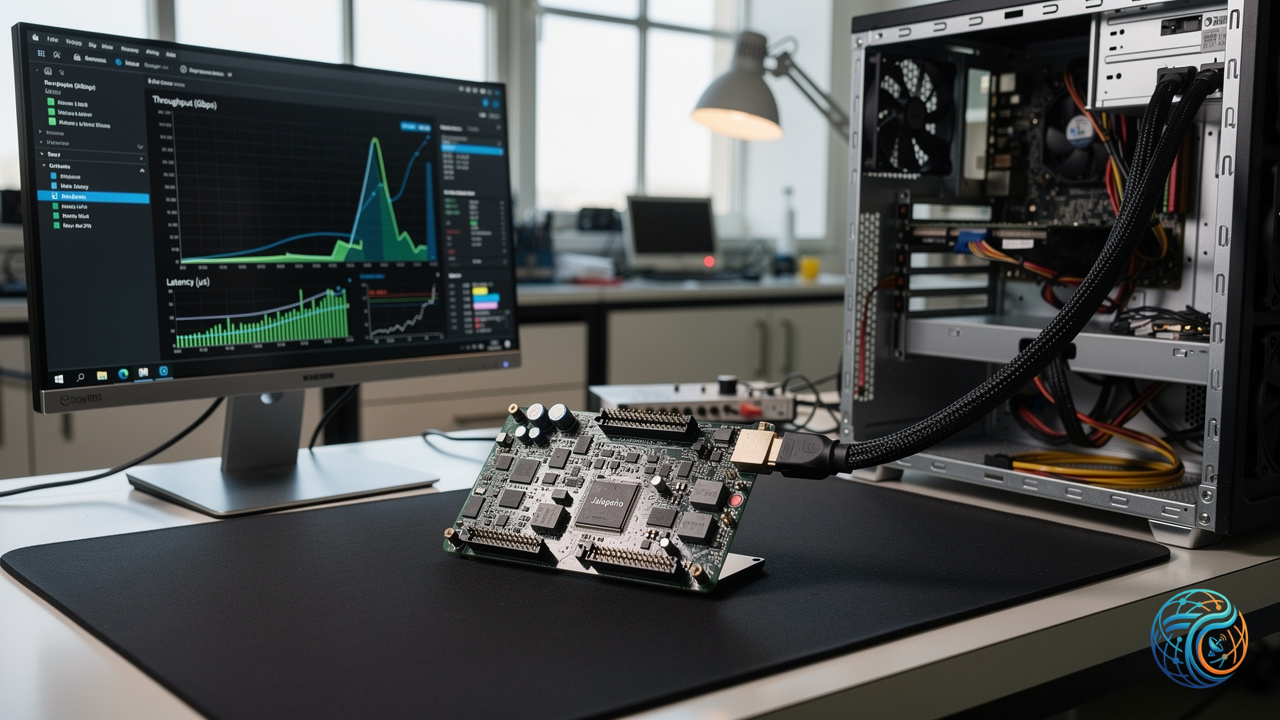
OpenAI has released the initial performance results for its custom-built AI inference silicon, known as Jalapeño. As artificial intelligence models scale in both parameter size and deployment frequency, the underlying hardware infrastructure required to run these systems efficiently has become a primary bottleneck for major developers. The introduction of Jalapeño marks a significant architectural step for OpenAI as the organization optimizes its hardware stack to support modern, compute-heavy machine learning workflows.
Hardware Optimization for Modern AI Models
The core design philosophy behind Jalapeño centers on addressing the distinct computational demands of AI inference—the phase where a trained model processes new inputs to generate predictions or content. Unlike training, which requires massive parallelization across distributed clusters to adjust model weights, inference prioritizes raw speed, predictable latency, and energy efficiency at scale. OpenAI’s custom hardware approach aims to bypass the limitations of general-purpose processors by tailoring silicon directly to the mathematical operations native to modern neural architectures.
Initial performance evaluations indicate that the custom silicon achieves remarkable operational metrics, setting a competitive standard for enterprise hardware designed specifically for large-scale model deployment. By integrating custom logic directly onto the chip, OpenAI has managed to reduce the overhead typically associated with executing complex queries on standard accelerator hardware.
Key Performance Metrics and Architecture
The initial data released regarding Jalapeño highlights several critical operational advantages designed to enhance deployment capabilities for demanding workloads:
- Industry-leading speed: Delivers significantly faster execution times for complex neural network queries.
- Power efficiency: Engineered to minimize energy consumption per computed token, lowering operational overhead.
- Higher throughput: Processes a greater volume of concurrent requests compared to traditional deployment hardware.
- Lower latency: Reduces response times for modern models, ensuring smoother real-time interactions.
Broader Implications for AI Infrastructure
The development of proprietary silicon like Jalapeño reflects a broader industry trend where leading artificial intelligence laboratories move beyond off-the-shelf hardware to design custom chips. By vertically integrating software frameworks with bespoke silicon, organizations can extract maximum performance out of their infrastructure. As OpenAI continues to roll out and evaluate Jalapeño across its operational environments, the insights gathered from these initial results will likely influence future iterations of its hardware roadmap and deployment strategies.
Source: Original Article