Building and deploying modern artificial intelligence applications requires robust infrastructure to connect data streams, execute computational pipelines, and present interfaces clearly to end-users. Addressing this ongoing engineering challenge, recent architectural guides from the developer community highlight how frameworks like Gradio streamline the entire lifecycle of Gradio AI Workflows—from initial wiring and local execution to full-scale production deployment.
The Architecture of Modern AI Workflows
As machine learning models grow more complex, handling multiple inputs, sequential processing steps, and asynchronous outputs becomes a significant bottleneck for developers. Traditional prototyping often relies on disjointed scripts that fail to scale when transitioned into interactive environments. By leveraging structured workflow design within user interface frameworks, developers can bridge the gap between raw backend model execution and seamless frontend interaction.
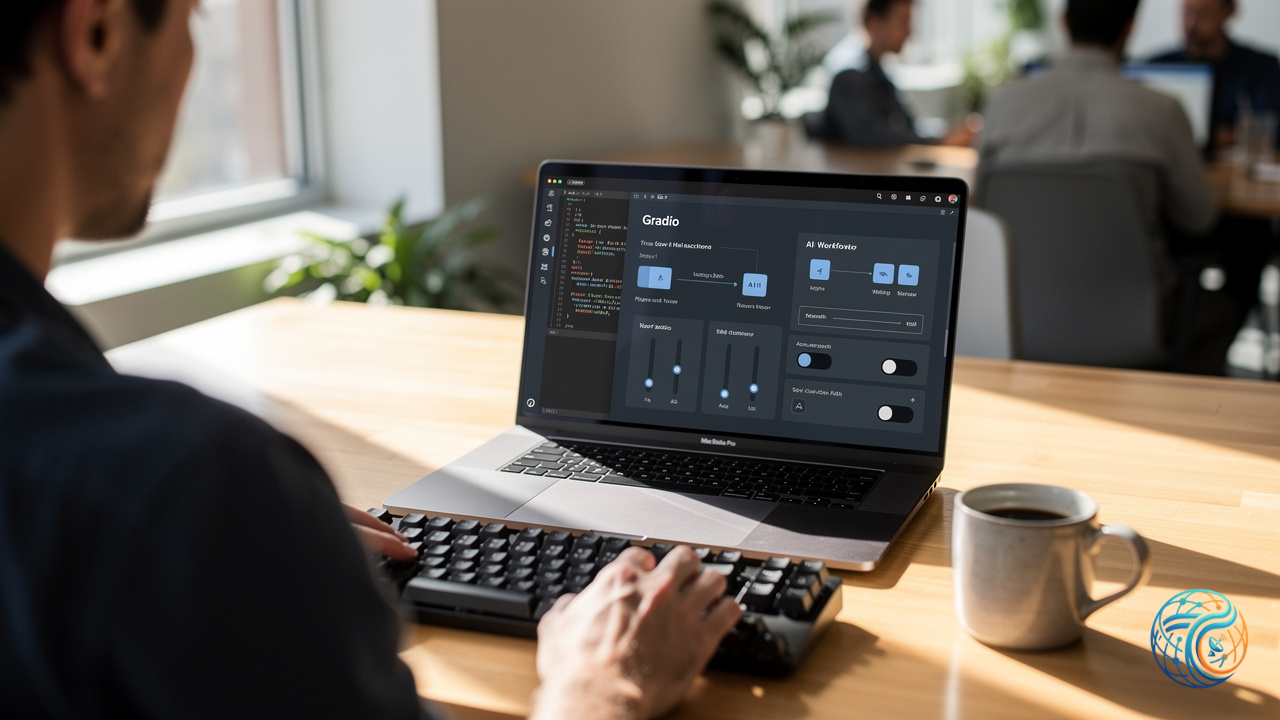
Setting up these pipelines involves mapping out logical execution steps where data flows predictably from user inputs through various processing nodes and finally to rendered outputs. This modular approach ensures that individual components—such as image pre-processing, text tokenization, and model inference—can be tested, debugged, and optimized independently before being bound to a unified user-facing interface.
Key Capabilities and Implementation Strategies
Implementing efficient AI pipelines within interface frameworks relies on several core features designed to handle high-throughput computational tasks and responsive user interactions. Developers adopting these workflows typically focus on specific technical pillars:
- Modular Pipeline Wiring: Connecting distinct processing blocks and machine learning models into unified, sequential execution graphs.
- Asynchronous Execution: Preventing user interface blocking during heavy model inference by utilizing non-blocking asynchronous event handling.
- Scalable Deployment Options: Transitioning local prototypes effortlessly to managed cloud environments or containerized production clusters.
- State Management: Maintaining session persistence and conversational history across multi-turn interactions without compromising application stability.
From Local Prototyping to Production Deployment
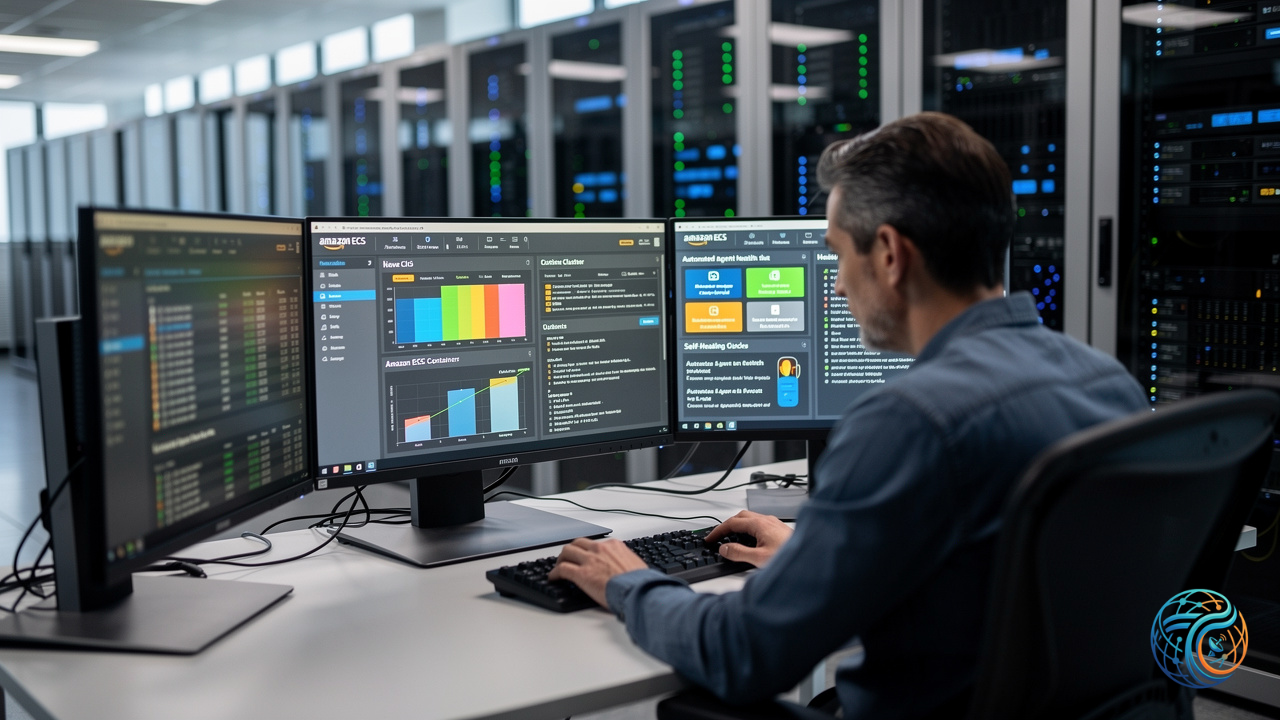
The transition from a developer local machine to a live production environment has historically been fraught with configuration discrepancies, dependency mismatches, and scalability bottlenecks. Modern development practices emphasize containerization and stateless architecture to ensure that applications built with interface frameworks can handle varying traffic loads seamlessly.
When preparing an application for deployment, engineers must evaluate resource allocation, particularly GPU acceleration availability, memory management, and network latency. Utilizing managed hosting platforms allows developers to push applications live with minimal configuration overhead, ensuring that users experience low-latency responses even during peak utilization periods. Ultimately, mastering these workflow paradigms empowers engineering teams to ship reliable, interactive machine learning applications faster and with greater confidence.
Source: Original Article