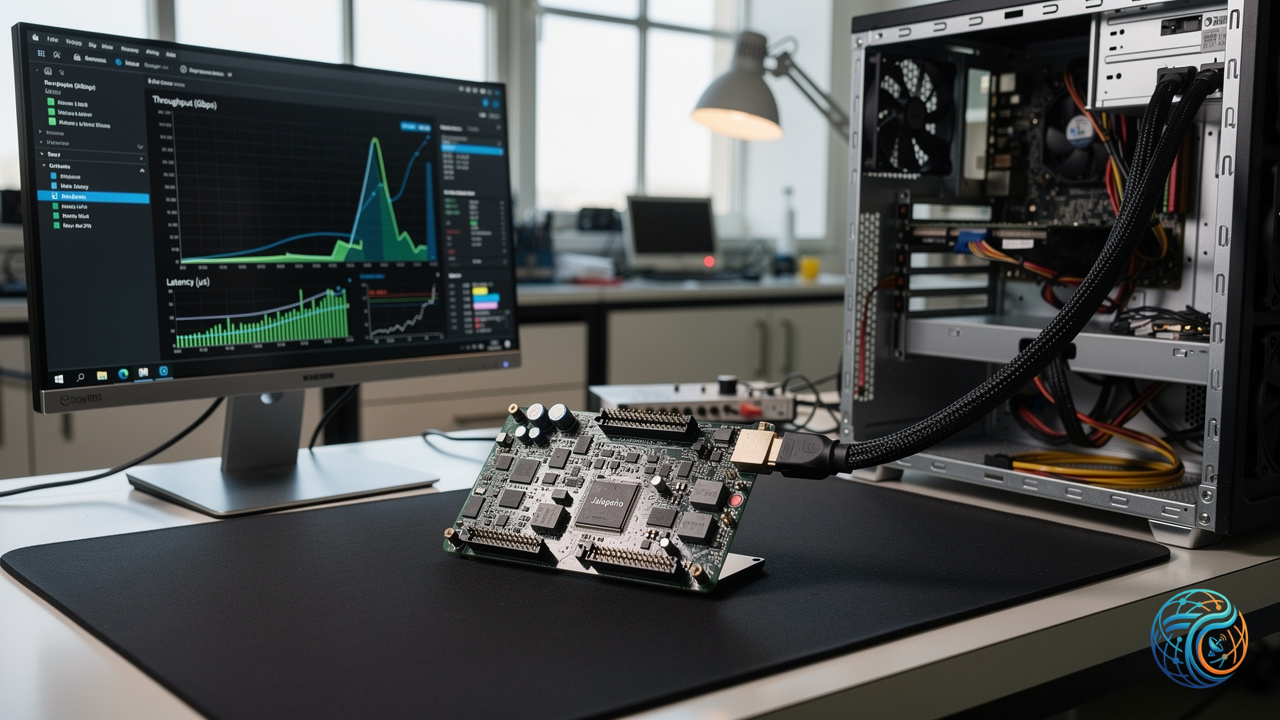

NVIDIA has officially introduced CUDA Python 1.0, marking a significant milestone for developers seeking direct, native hardware acceleration without having to cross the traditional language barrier into C++. For years, utilizing the immense parallel processing power of graphics hardware via Python meant confronting a persistent architectural divide. Developers traditionally faced a difficult choice: master NVIDIA CUDA C++ to write low-level custom extensions—requiring complex build toolchains and ongoing maintenance of inter-language bindings—or rely entirely on high-level frameworks managed by third parties.
While high-level frameworks have successfully driven the explosive growth of the Python GPU ecosystem, they inherently carry structural limitations. These libraries abstract away the underlying architecture, which can restrict developers who require granular control over hardware resources, custom memory management, or specialized execution paths. CUDA Python 1.0 addresses this foundational gap by providing a direct, stable programmatic bridge straight to the core platform.
Bridging Python and Low-Level Hardware
The release of version 1.0 establishes a robust and reliable foundation for the Python ecosystem, ensuring that developers can build complex applications atop stable APIs rather than shifting experimental codebases. By providing full platform access directly from Python, NVIDIA is effectively lowering the barrier of entry to raw GPU acceleration. This integration allows data scientists, systems engineers, and AI researchers to implement custom algorithms, manage streams, and execute low-level operations without the overhead of maintaining external C++ code wrappers.
Key Architectural Advantages
- Stable APIs: Guarantees long-term compatibility and reliability for production-grade software deployments.
- One Foundation: Unifies disparate approaches to GPU programming under a single, cohesive namespace.
- Full Platform Access: Exposes native CUDA driver and runtime capabilities directly to Python environments.
- Ecosystem Synergy: Complements existing high-level libraries like PyTorch, CuPy, and RAPIDS by offering a deeper layer of control when needed.
By streamlining how Python interacts with underlying hardware architectures, CUDA Python 1.0 bridges the historical divide between high-level ease of use and low-level performance optimization. As data-intensive workloads continue to scale across scientific and industrial computing, this release provides developers with the precise tools required to extract maximum capability from modern hardware acceleration platforms.
Source: Original Article