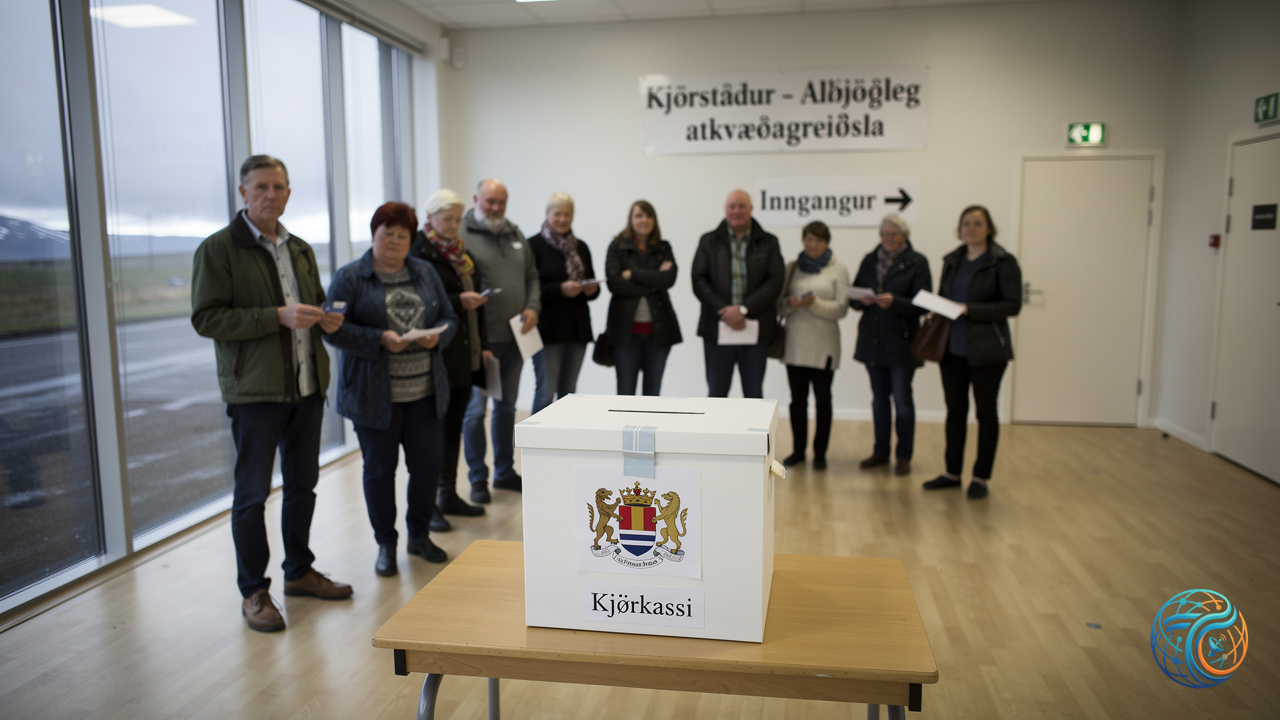
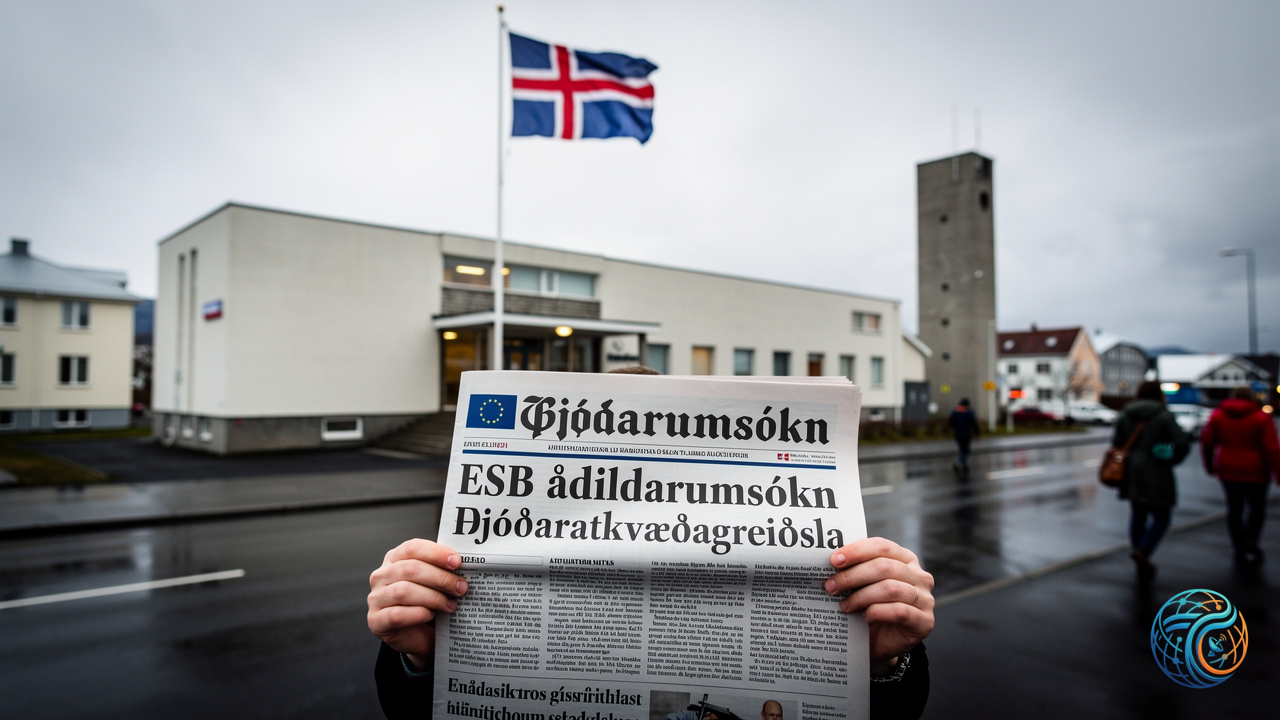
Voters in Iceland have decisively rejected a proposal to restart formal talks regarding accession to the European Union, choosing instead to maintain their current sovereign standing outside the bloc following a national referendum.
The ballot measure, which centered on whether the North Atlantic island nation should reactivate its dormant application to join the EU, concluded with the electorate deciding against moving forward with the integration process. This decision reinforces Iceland’s long-standing policy of preserving absolute control over its critical economic sectors, particularly its lucrative fisheries and energy resources, which have historically been central points of contention in any potential integration debate.
Background of Iceland and European Union Relations
Iceland’s relationship with the European Union has historically been complex and marked by caution. While the nation is already a member of the European Economic Area (EEA)—granting it access to the EU’s single market—and participates in the passport-free Schengen Area, full political and institutional membership has faced persistent domestic resistance.
Key Factors Shaping the Referendum Outcome
- Fisheries Management: Protection of domestic fishing quotas and maritime sovereignty remains a paramount national priority.
- Monetary Policy: Maintaining the Icelandic króna allows the nation to retain independent monetary control through its central bank.
- Sovereignty Concerns: Public sentiment frequently favors legislative independence over regulatory alignment with Brussels.
- Economic Stability: Proponents of staying outside the bloc point to independent trade pathways and resilient domestic industries.
The outcome of this referendum halts any immediate bureaucratic momentum toward reviving membership negotiations. Political analysts note that while various factions within the country periodically re-examine the benefits of joining the broader European framework, public consensus continues to prioritize national autonomy over closer institutional ties.
As the political landscape adapts to the referendum’s mandate, policymakers in Reykjavik will continue to navigate their international agreements through existing frameworks like the EEA, ensuring that trade and cooperation with European partners continue without formal political integration.
Source: Original Article