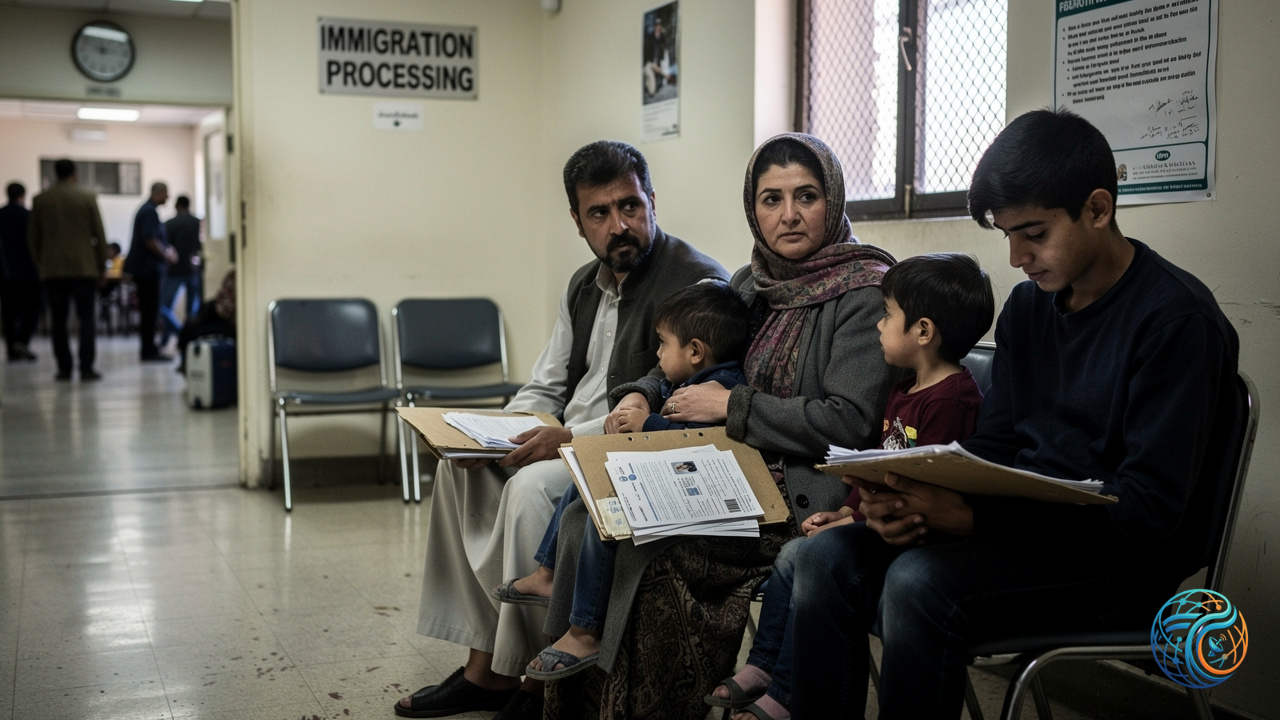
A disturbing development in immigration policy has come to light as authorities in the United States executed the deportation of an Afghan national who had previously been granted legal protection. What makes this administrative action particularly alarming to human rights monitors and legal advocates is that the individual is closely related to Afghan citizens who actively aided the United States military during its long engagement in the region. Rather than finding safety or navigating standard domestic immigration channels, this individual was among dozens of people forcibly transferred to the war-torn Central African Republic.
Implications for At-Risk Afghan Allies and Families
The sudden expulsion of individuals tied to those who assisted Western military forces highlights profound vulnerabilities in how protective statuses are maintained and honored. Historically, local interpreters, contractors, and their extended families have faced severe reprisals in their home countries following shifts in geopolitical control. The decision to remove a protected relative to a volatile third nation raises critical questions regarding administrative transparency, international obligations, and the safety protocols surrounding populations deemed at risk.
Key Aspects of the Deportation Action
- Affected Population: An Afghan national possessing official protection status within the United States.
- Familial Ties: The deported individual is a relative of Afghans who provided direct assistance to the US military.
- Destination: Transferred alongside dozens of other deportees to the Central African Republic, a region currently grappling with severe internal conflict.
- Administrative Context: Executes a controversial policy shift impacting individuals previously shielded from removal.
As investigative journalists and humanitarian organizations continue to probe the mechanics behind these transfers, the broader impact on the global trust of individuals who cooperate with military and governmental operations remains to be seen. The lack of clarity surrounding the choice of destination—specifically sending vulnerable individuals into active conflict zones like the Central African Republic—underscores an urgent need for judicial oversight and institutional accountability.
Source: Original Article