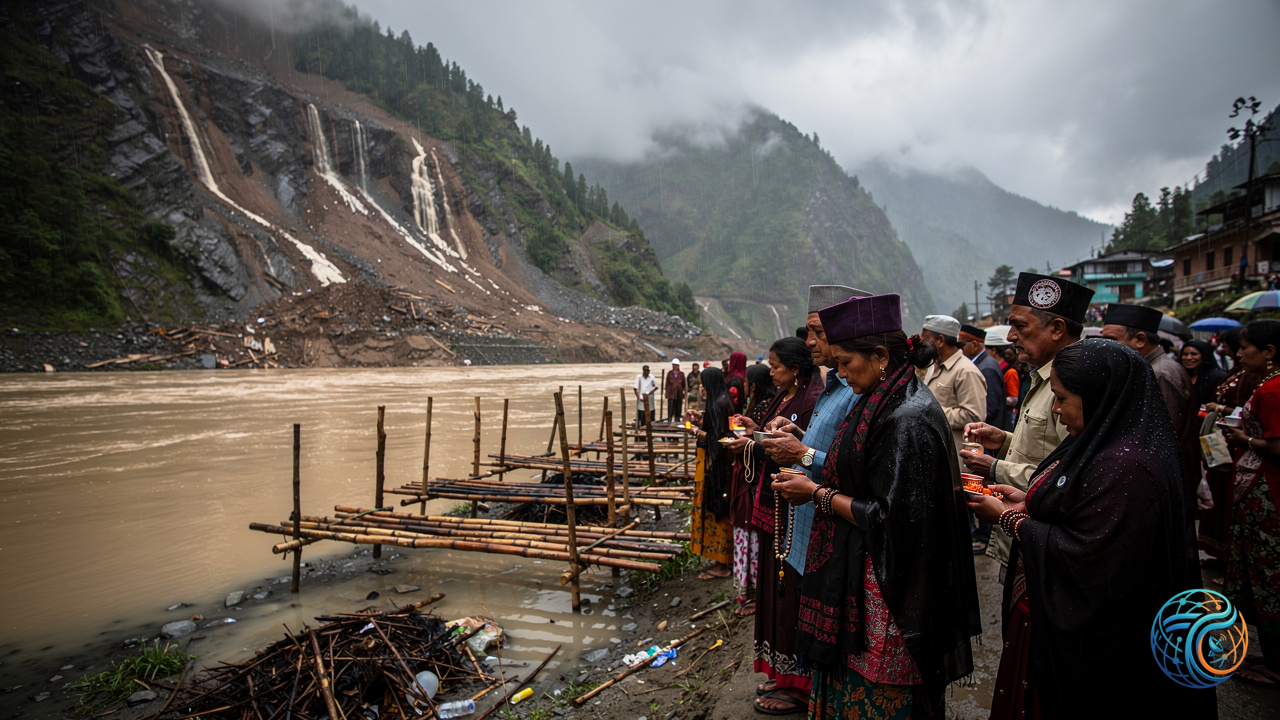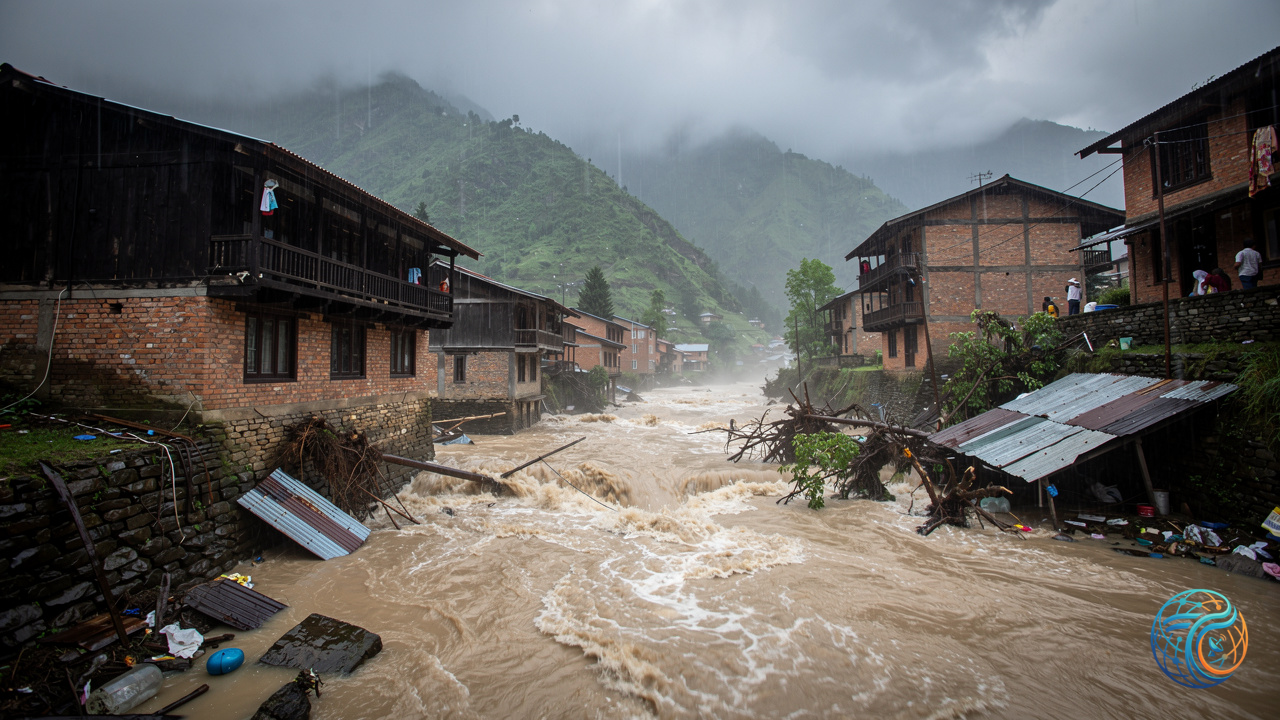
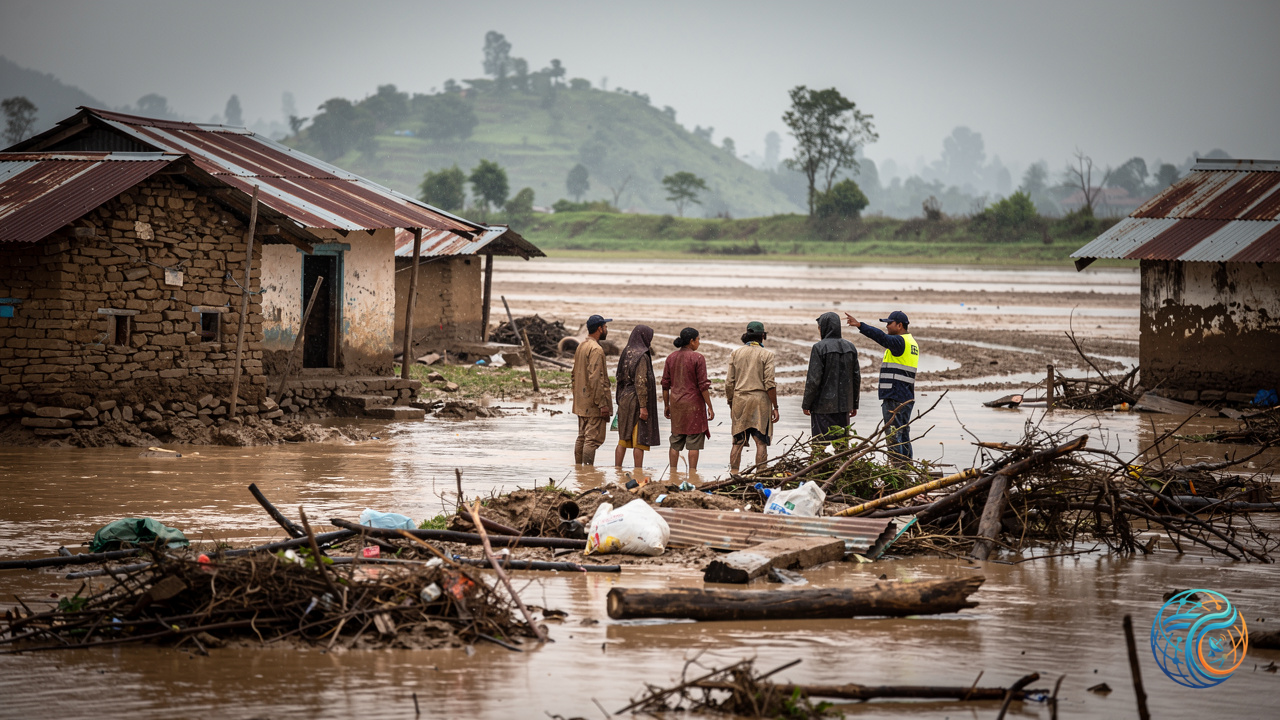
As investigative technology and infrastructure journalists analyze critical emergency response frameworks, new questions are emerging regarding how governments handle extreme weather events and industrial accidents. In a recent development drawing intense oversight, a coalition representing the nation’s private sector power producers has publicly asserted that Nepali authorities squandered vital minutes and hours during catastrophic flooding. According to these industry stakeholders, the delay directly impacted rescue operations for hundreds of individuals who found themselves trapped inside complex subterranean hydropower tunnels.
The Critical Window in Subterranean Rescues
Hydropower infrastructure presents unique engineering and safety challenges, particularly during sudden environmental disasters like severe flooding. Subterranean tunnels and generation facilities require specialized extraction protocols, rapid communication pathways, and immediate coordination between state emergency services and private facility operators. When floodwaters breach these enclosed spaces, the margin for survival narrows exponentially. The core grievance raised by the private sector power producers centers on the friction and hesitation observed at the institutional level when deciding whether to accept external and specialized international assistance.
Emergency management experts note that modern disaster response relies heavily on seamless data sharing, pre-approved mutual aid agreements, and frictionless deployment of specialized rescue technology. In scenarios involving underground entrapment, every second counts as air pockets deplete and structural integrity faces immense hydraulic pressure. The allegations suggest that bureaucratic hurdles and reluctance to leverage foreign emergency capabilities significantly prolonged the vulnerability of the workers and engineers trapped within the infrastructure.
Implications for Infrastructure Resilience and Policy
The unfolding situation in Nepal opens a broader conversation about how emerging economies with extensive renewable energy infrastructure manage high-risk climate events. As climate change increases the frequency and severity of flash floods and glacial lake outburst floods, technological readiness must match physical engineering standards. Key takeaways from this ongoing scrutiny include:
- Operational Delays: Private sector power producers argue that crucial time was lost in initiating coordinated rescues for hundreds trapped in hydropower tunnels.
- Sovereignty vs. Speed: The administrative hesitation to accept foreign help highlights the delicate balance between national sovereignty and the immediate necessity of specialized rescue expertise.
- Infrastructure Vulnerability: Subterranean energy facilities face heightened risks during extreme weather, demanding more robust, automated emergency response systems.
As independent investigations continue, policymakers and industry leaders will need to reassess emergency protocols to ensure that administrative caution never again compromises the safety of workers operating critical national infrastructure.
Source: Original Article