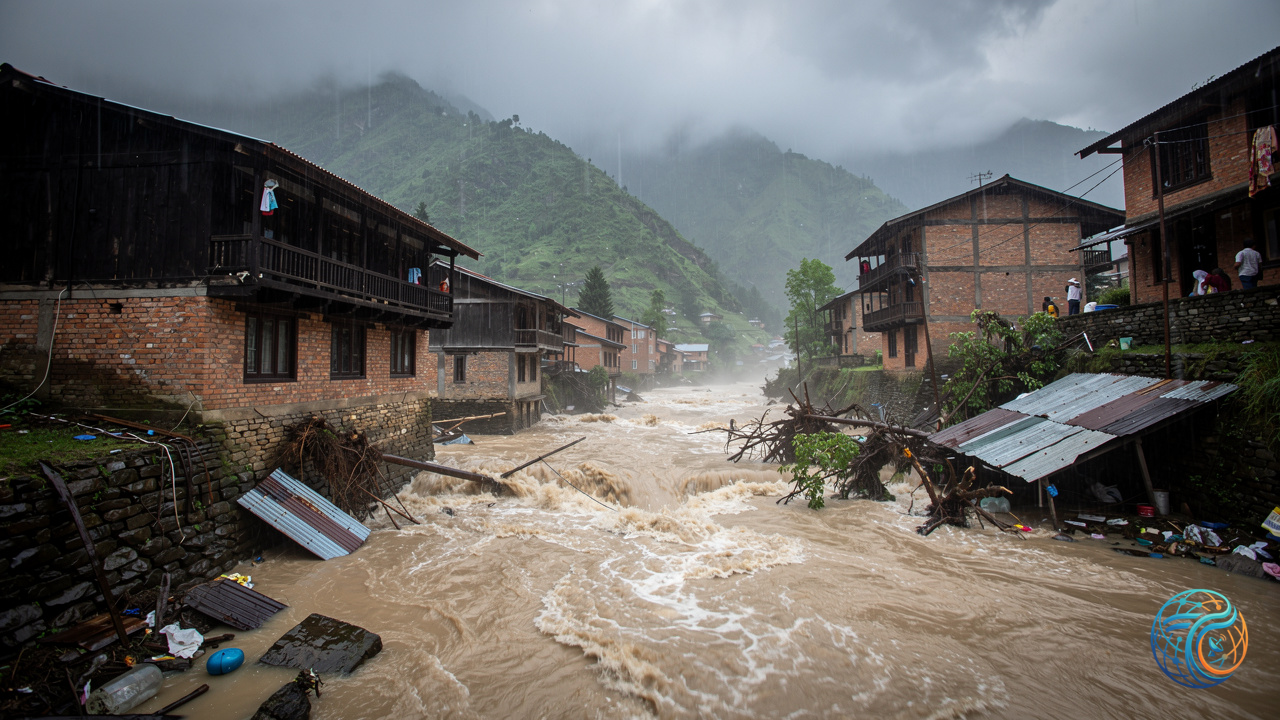
Climate change drives deadly flash floods in Nepal, highlighting a severe environmental crisis that comes as little surprise to the scientific community. As global temperatures continue to rise, the Himalayan region faces an escalating threat driven directly by the rapid acceleration of glacial melt, placing millions of residents living downstream in persistent danger.
The Growing Threat of Glacial Melt
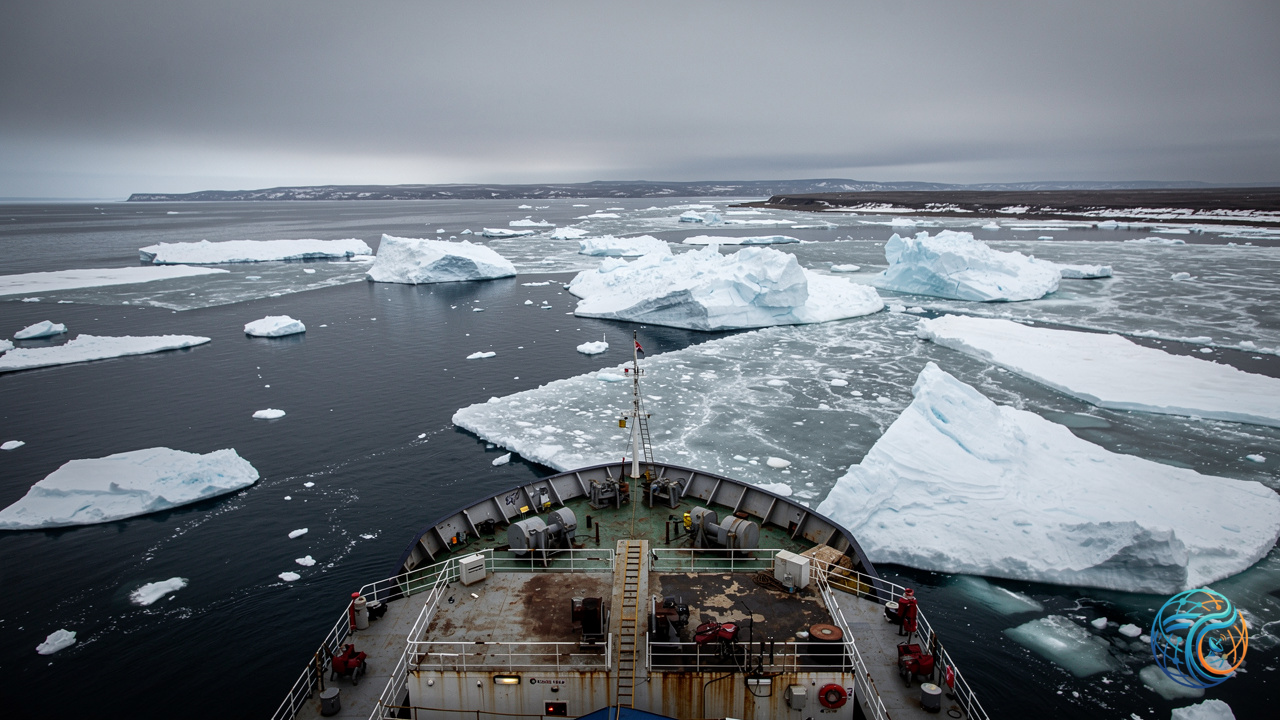
Scientific observation over recent decades has consistently pointed to the Hindu Kush Himalaya region as one of the most vulnerable areas on the planet regarding climate shifts. As atmospheric temperatures warm, high-altitude ice bodies and glaciers retreat at unprecedented rates. This rapid thawing process generates vast quantities of meltwater, swelling mountain lakes beyond their natural containment capacities and triggering catastrophic downstream inundations.
Human Impact and Regional Vulnerability
The consequences of these accelerating environmental changes extend far beyond localized ecological disruption, posing immediate and severe hazards to human populations. Millions of people across the region live in high-risk zones susceptible to sudden flash flooding and subsequent landslides. Experts emphasize that these events underscore the urgent need for enhanced monitoring systems, robust early-warning infrastructure, and comprehensive climate adaptation strategies to protect vulnerable communities.
- Accelerating Glacial Melt: Driven by ongoing climate change in high-altitude mountain ranges.
- Flash Floods: Sudden and deadly inundations impacting downstream communities in Nepal.
- Millions at Risk: Large populations face persistent hazards from changing environmental conditions.
- Scientific Consensus: Events align closely with long-standing projections regarding regional climate impacts.
Source: Original Article