A sudden and severe weather event has struck Grand Canyon National Park in Arizona, as flash flooding swept through the area on Saturday, leaving approximately 15 people unaccounted for. The National Park Service released details on Sunday outlining the unfolding emergency, which has triggered widespread evacuation protocols and intensive search and rescue operations across the affected terrain.
Impact Zones and Emergency Response
The sudden rush of water primarily targeted critical corridors within the canyon, heavily impacting the Bright Angel Canyon and Phantom Ranch areas. These locations, popular among hikers and park visitors, experienced rapid inundation as walls of water moved through dry washes and riverbeds. In response to the immediate danger, park authorities initiated rapid-response measures.
- Event Date: Saturday
- Reporting Date: Sunday
- Location: Grand Canyon National Park, Arizona
- Primary Impact Zones: Bright Angel Canyon and Phantom Ranch area
- Estimated Missing: About 15 people
- Authorities Involved: National Park Service
Emergency personnel have been actively working to evacuate stranded visitors from the danger zones while simultaneously deploying search teams to locate individuals who remain missing following the deluge. The hazardous conditions created by the high-volume water flow have complicated rescue logistics, requiring specialized teams to navigate the rugged terrain.
Understanding Desert and Canyon Hydrology
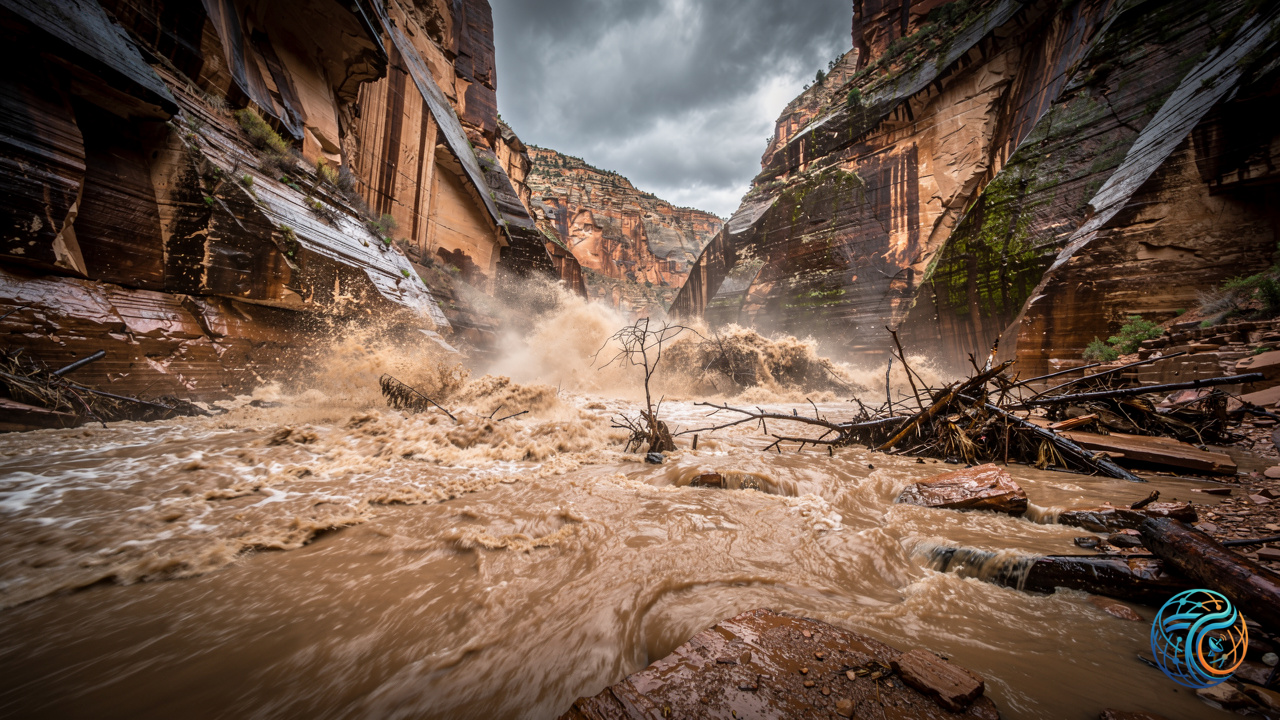
Flash floods in environments like the Grand Canyon present extreme logistical and safety challenges due to the unique topography and arid climate of the region. When intense rainfall occurs miles away, water funnels rapidly through narrow canyon walls with little to no advanced warning, transforming dry paths into roaring torrents within minutes.
Rescue operations in these expansive wilderness areas typically rely on coordinated efforts between park rangers, specialized search units, and aerial support when weather permits. Authorities continue to assess the scope of the damage and maintain active operations to secure the safety of all remaining visitors in the park.
Source: Original Article