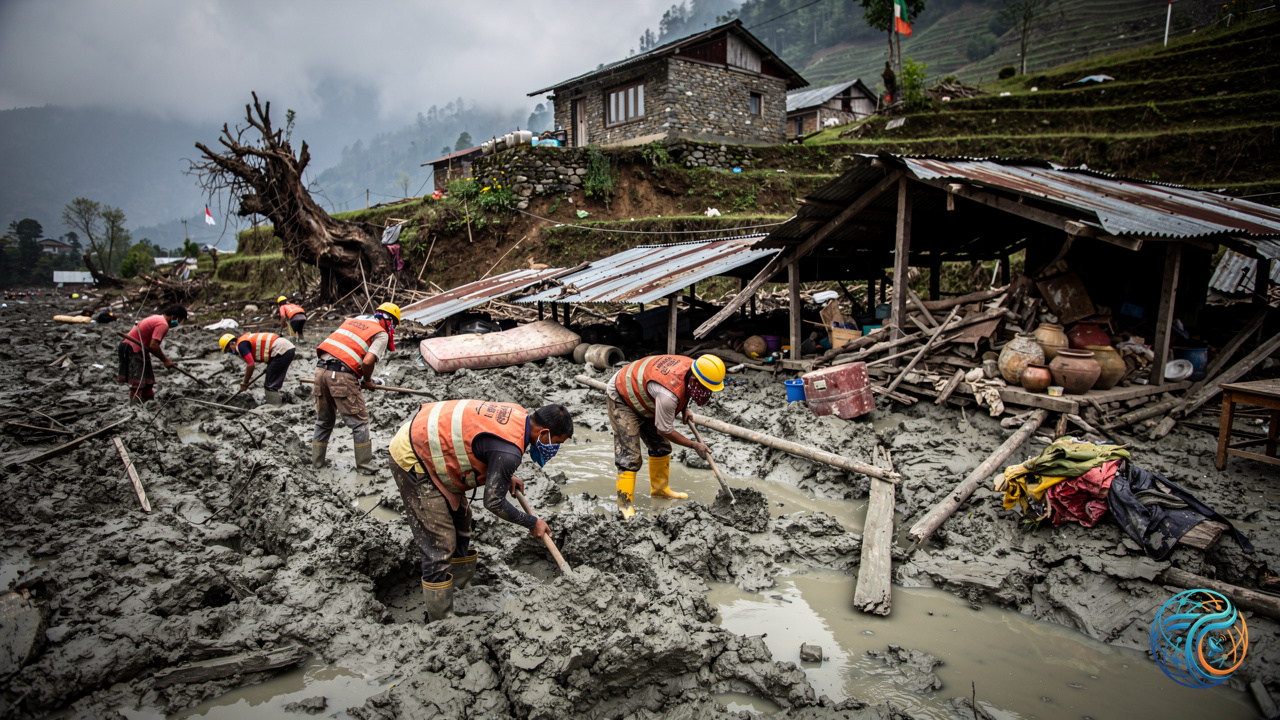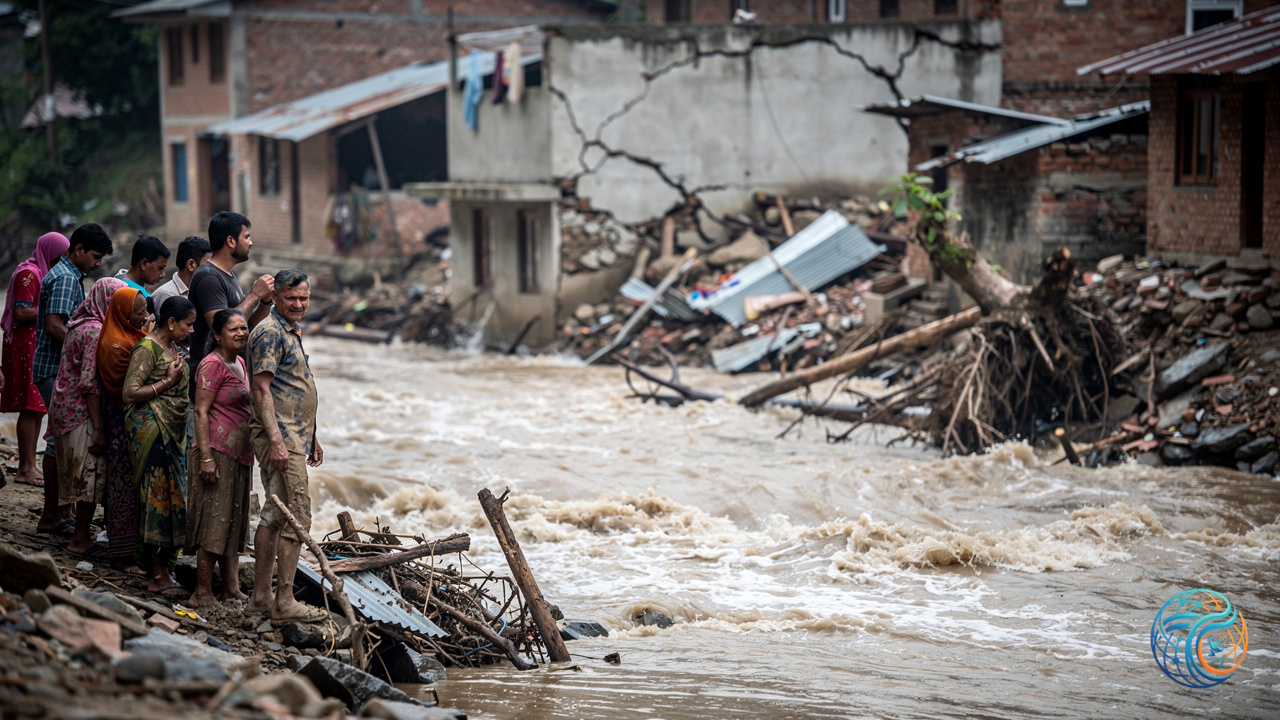
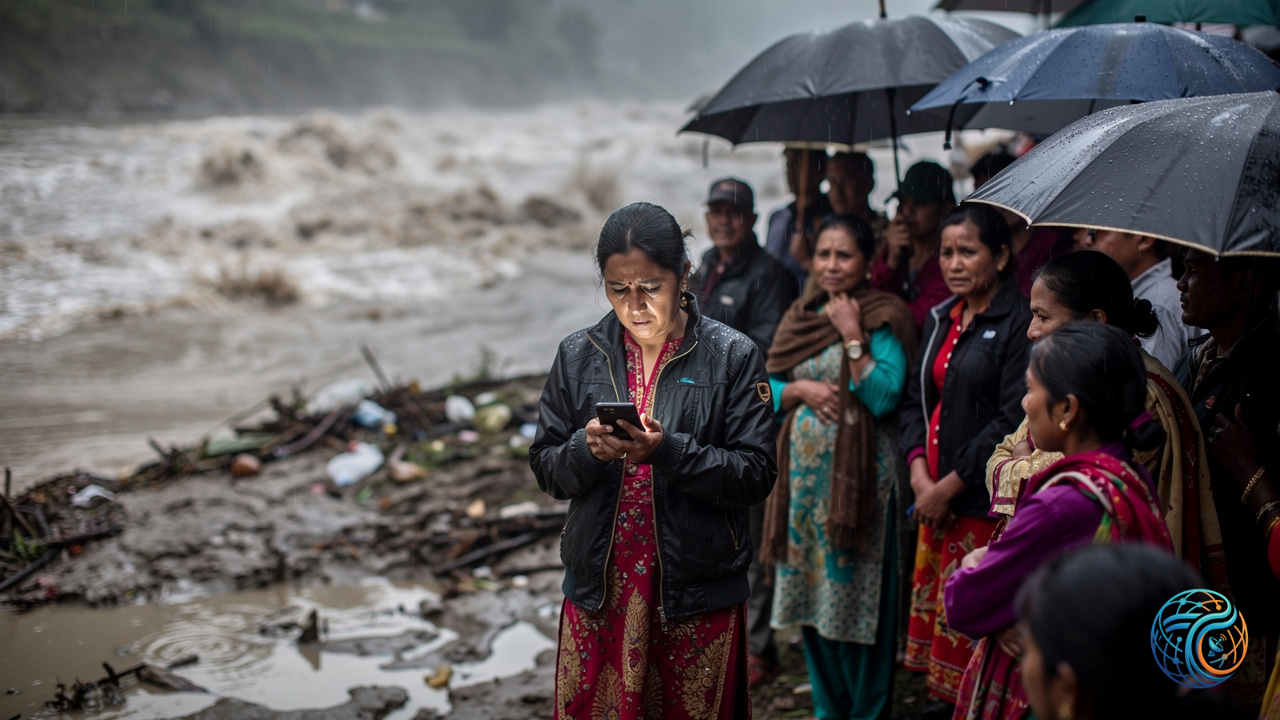
Four days following a catastrophic natural disaster that saw violent floods wipe out multiple settlements along the border shared by Nepal and China, an information vacuum persists, leaving thousands of relatives in deep distress as they search for updates regarding missing loved ones.
The disaster, which struck remote mountainous terrain, has severely crippled local infrastructure, knocking out communication lines and leaving rescue operations facing immense logistical hurdles. Among those unaccounted for are numerous pilgrims who were believed to be traveling through the region when the deluge hit.
The Immediate Aftermath and Communication Blackout
As the timeline extends past the initial impact, the lack of operational telecommunications networks has become a primary obstacle for both rescue agencies and anxious families. The severity of the flash floods destroyed vital bridges, roads, and power grids, isolating entire valleys.
- Duration: Four days have elapsed since the initial flooding event.
- Impact Zone: Villages along the Nepal-China border.
- Status: Thousands of individuals remain missing.
- Demographic Affected: Families and relatives of likely pilgrims caught in the disaster zone.
Without functional cellular towers or internet access, local authorities have struggled to compile accurate casualty and missing-persons lists, compounding the psychological toll on communities waiting for official bulletins.
Challenges in Search and Rescue Operations
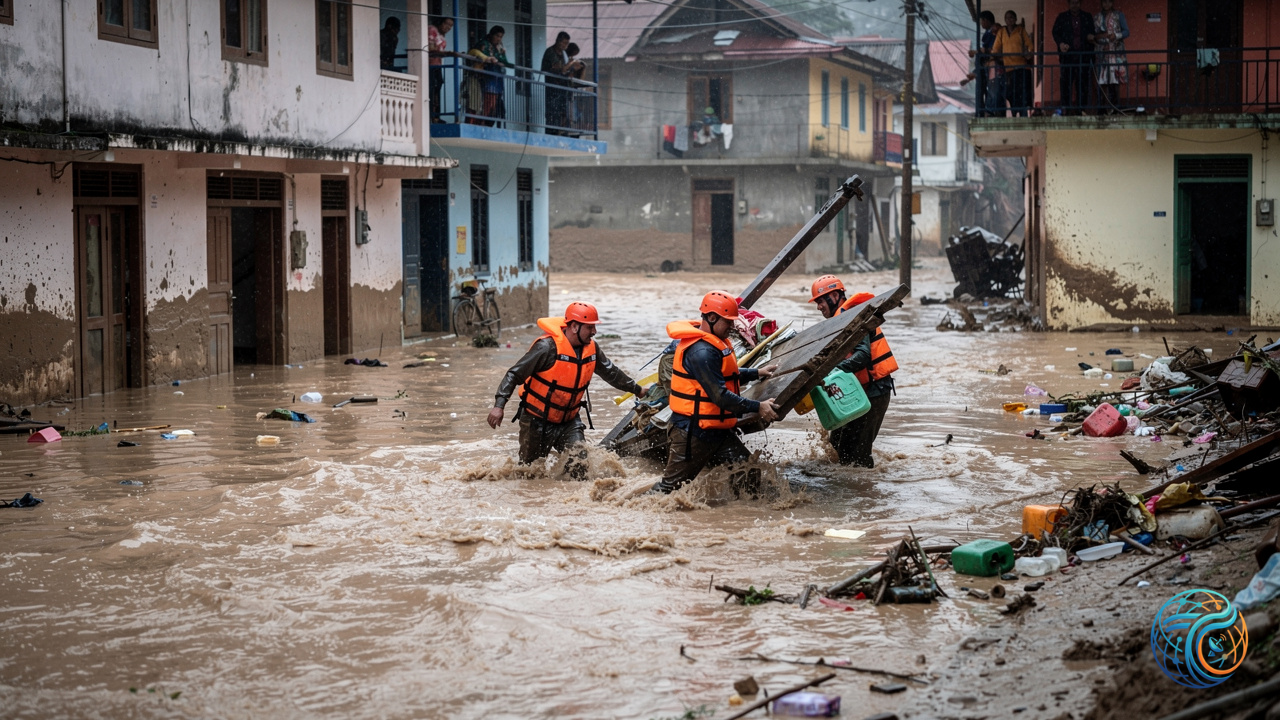
Geographical isolation combined with adverse weather conditions continues to hamper emergency response teams attempting to reach the hardest-hit areas. Heavy debris, blocked mountain passes, and swollen river channels restrict heavy equipment and personnel deployment.
International humanitarian organizations and local emergency response units are coordinating efforts to restore basic communication channels and clear pathways to the affected border regions, though progress remains slow due to the sheer scale of the landscape transformation caused by the floodwaters.
Source: Original Article