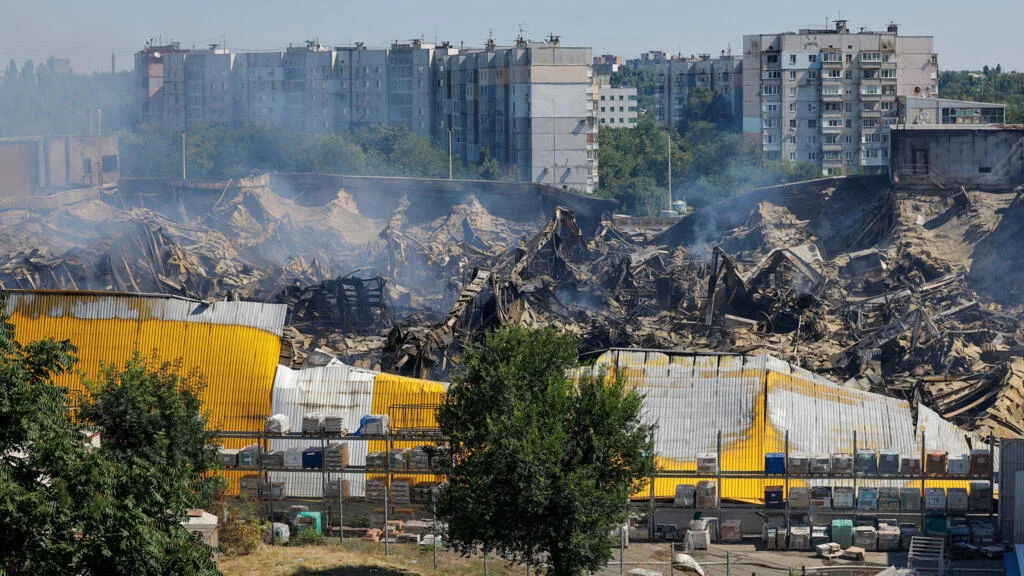
A fatal Belgorod missile strike hit the Russian border region on Monday, killing six people and injuring four others. The escalation underscores relentless cross-border violence in the ongoing conflict between Moscow and Kyiv.
Simultaneously, Russian forces launched retaliatory aerial assaults targeting critical port infrastructure in the Izmail district of Ukraine’s southern Odesa region. These synchronized operations highlight the expanding scope of military engagements across Eastern Europe.
Key Facts of the Escalation
- Six people died and four others sustained injuries during a Ukrainian missile strike in the Belgorod border zone.
- The casualties included at least one child, according to the regional acting governor.
- Russian retaliatory bombardments focused heavily on maritime logistics hubs in the Izmail district near the Danube River.
- Air defense systems across both territories remain on high alert amid intensive drone and missile exchanges.
Strategic Realities of Border Warfare
The Belgorod region serves as a primary logistical hub for Russian operations in eastern Ukraine. Consequently, the territory faces frequent artillery duels and aerial incursions. Kyiv aims to disrupt these supply chains to reduce Russian frontline momentum.
Meanwhile, Moscow targets Ukrainian logistical nodes, including grain export facilities along the Danube River. Strikes on the Izmail district seek to choke trade routes and cripple Kyiv’s economic resilience. Both sides use long-range precision weapons to strike civilian and military logistics.
This cross-border dynamic intensified sharply after the 2022 escalation, turning frontier towns into active combat zones. Impacted stakeholders include civilians facing immediate violence, regional military commands, and international shipping entities affected by Black Sea disruptions.
Why This Matters for Global Security
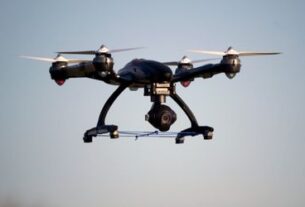
Intensifying cross-border strikes threaten regional stability and civilian safety. The use of autonomous drones and high-velocity missiles raises the risk of collateral damage in residential areas. Observers monitor these developments to gauge the conflict’s trajectory.
Furthermore, targeting agricultural and transport infrastructure impacts global supply chains. Grain shipments from Odesa feed millions worldwide. Disruptions in Izmail ripple through international markets, driving up food insecurity in developing nations.
Technological Evolution in Modern Targeting
Modern campaigns rely heavily on advanced sensor-to-shooter loops. Satellites, reconnaissance drones, and electronic intelligence units feed real-time coordinates to missile batteries. This digital integration allows forces to strike targets within minutes, leaving minimal warning time for civilians.
Electronic warfare also plays a decisive role. Both militaries deploy signal jamming to disrupt guidance systems, forcing constant adjustments to flight paths. This technological race prevents either side from securing absolute air dominance.
Economic and Humanitarian Implications
The human toll mounts alongside soaring infrastructure repair costs. Regional governments must divert funds from public services to emergency medical care and structural repairs. In Belgorod and Odesa, communities live under the constant threat of air raid sirens.
Humanitarian groups face severe access restrictions in active combat zones. Delivering aid requires navigating hazardous security protocols. Without a political breakthrough, civilian populations will continue to bear the cost of this technological warfare.
Forward-Looking Outlook
Military analysts expect cross-border aerial exchanges to persist while ground offensives remain deadlocked. Over the next 6 to 12 months, both belligerents view strikes on logistics networks as core attrition strategies. Diplomatic channels remain dormant, pointing to continued technological escalation.
Unlike earlier static defense phases, current engagements rely heavily on fast-reacting precision munitions, permanently altering border warfare.
Source: Original Article