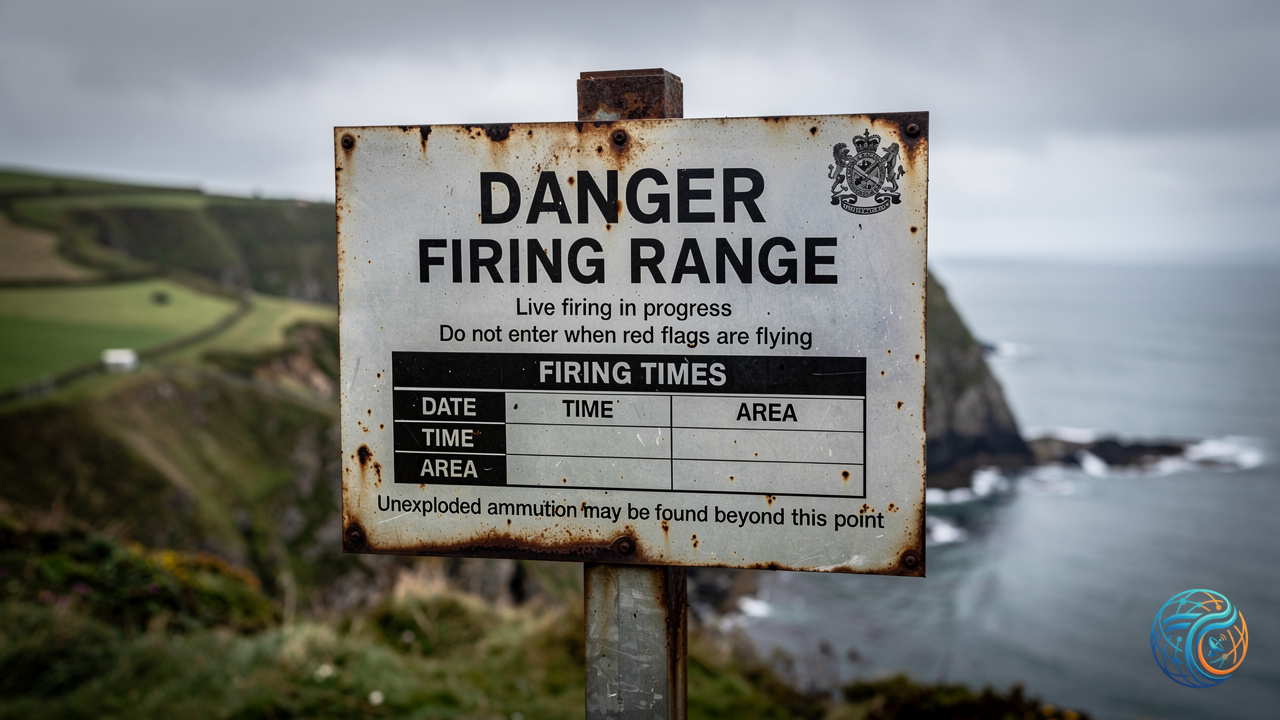
Military training ranges operate under strict operational schedules to maintain national defense readiness while ensuring public safety in surrounding communities. Official guidance regarding active periods, live ammunition exercises, and safety protocols is regularly updated by defense authorities to inform the public and maritime operators of restricted access zones. The latest administrative notices detail specific active hours for tactical ranges, including historical facilities like the Tregantle firing grounds.
Understanding Military Range Safety and Scheduling
Active firing ranges require precise temporal and spatial coordination to prevent accidents during high-powered weapon testing and routine military training exercises. Authorities publish formal guidance documents detailing exact operational windows, warning signals, and safety perimeters that must be observed by civilian populations, hikers, and marine vessels. These protocols are critical components of range management, balancing the operational needs of defense personnel with public safety.
Key Operational Guidelines and Notices
- Official Guidance: Published notices outline precise active firing schedules.
- Safety Perimeters: Restricted access zones are enforced during active testing periods.
- Public Notification: Timely updates ensure local communities and marinas remain informed of upcoming drills.
Compliance with published schedules is mandatory for all individuals and organizations operating near designated defense zones. Failure to adhere to these warnings can result in severe safety hazards and legal consequences. Stakeholders are advised to consult official government publications regularly for the most up-to-date scheduling data and operational modifications.
Source: Original Article