
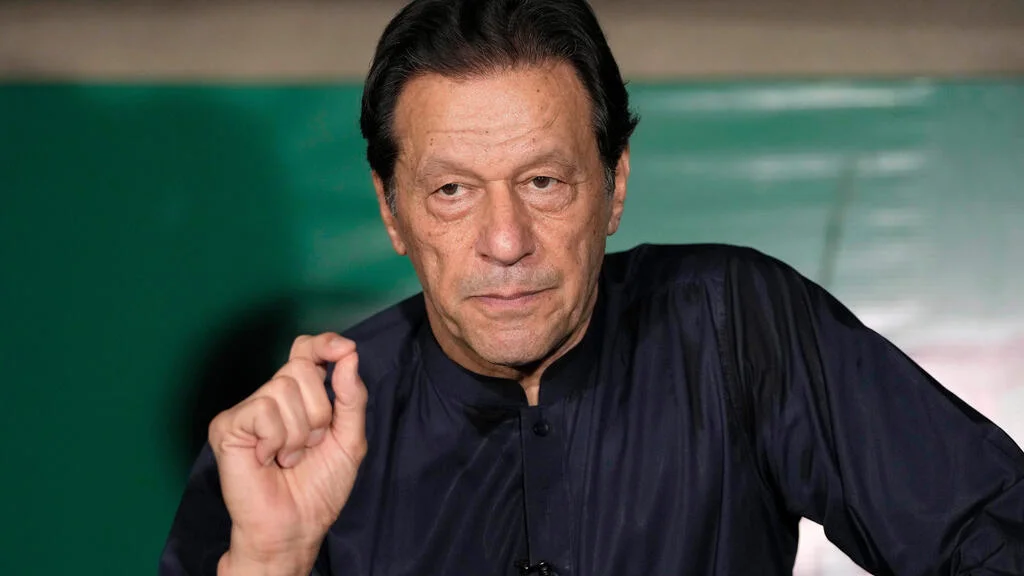
A Pakistani court ordered the transfer of former prime minister Imran Khan from prison to a medical facility on August 18, 2026. Concerns had escalated over his deteriorating physical condition. The 73-year-old politician, formerly an international cricket star, remains incarcerated with his spouse. They are serving a 17-year custodial sentence handed down last year following corruption convictions. This development has intensified political tensions across South Asia. It draws sharp scrutiny from international human rights observers and domestic factions.
Key Facts Regarding the Transfer
- Imran Khan, aged 73, was moved from jail to an authorized hospital on judicial orders.
- The former prime minister and his wife are serving a 17-year prison term issued last year.
- The convictions stem from multiple graft and corruption legal proceedings.
- Judicial authorities intervened following formal legal petitions citing severe medical vulnerabilities in custody.
Legal Precedents and Custodial Health Standards
The transfer highlights the delicate intersection of state security and human rights under Pakistani jurisprudence. Custodial health management for aging leaders requires strict adherence to international humanitarian baselines. Legal teams for the former premier repeatedly emphasized that prolonged confinement without adequate medical oversight threatens his survival. Courts frequently evaluate independent medical board assessments before authorizing prison transfers. These protocols form the backbone of legal arguments concerning prisoners’ rights in high-security environments.
Historical comparisons with past political detentions reveal a pattern. Judicial intervention often acts as the sole safeguard against deteriorating prison conditions. When leaders face prolonged isolation, the legal system balances executive security directives with constitutional protections. Legal scholars note that transparency in medical boards’ findings is essential to prevent allegations of state-sponsored mistreatment.
Political Fallout Within Pakistan
Imran Khan retains a massive populist following across Pakistan. Any fluctuation in his health triggers immediate nationwide reactions. Opposition networks and loyalist factions utilize every institutional development to rally supporters. State security apparatuses remain on high alert around medical facilities hosting high-risk detainees. The broader democratic framework continues to experience severe strain as judicial rulings intersect with executive oversight.
Opposition leaders have ratcheted up rhetoric demanding broader constitutional reforms and independent reviews. These developments threaten to spark widespread street protests. Local law enforcement has deployed heavy security cordons around major urban centers and key government installations.
Socio-Economic Implications of Political Instability
Persistent leadership friction and judicial battles directly influence investor confidence in Pakistan. Foreign direct investment relies heavily on predictable governance and institutional stability. Markets frequently register volatility during high-stakes political trials. International financial institutions monitor these domestic developments closely when evaluating structural reform compliance.
Economic analysts warn that protracted political uncertainty dampens business sentiment and deters foreign capital. Currency fluctuations and stock market jitters typically accompany major legal updates. This demonstrates how deeply intertwined national security, judicial actions, and macroeconomic health have become.
Why This Matters
Understanding this medical transfer requires examining the broader stability of South Asian democratic institutions. The health status of a polarizing former head of government tests judicial independence. When legal processes intersect with acute medical emergencies, the credibility of the state apparatus hangs in the balance. Global observers track these occurrences to gauge the resilience of institutional checks and balances.
Institutional Transparency and Judicial Accountability
Public trust in the judiciary depends on transparent communication regarding detained political figures. Independent medical evaluations help insulate court decisions from accusations of political bias. Transparency protocols demand that family members and legal counsels receive unhindered access to diagnostic reports. Failure to maintain procedural openness often exacerbates conspiracy theories and deepens societal polarization.
The judiciary must navigate these transparency demands carefully to maintain public credibility. Independent oversight mechanisms and regular updates from medical boards mitigate the risks of misinformation.
Future Outlook for Governance and Opposition Dynamics
The long-term trajectory of Pakistani politics remains linked to the legal outcomes and well-being of Imran Khan. As legal appeals progress, the opposition will likely leverage his health to mobilize electoral pressure. Institutional actors must balance security imperatives with constitutional guarantees. The ultimate resolution of these graft cases will redefine political accountability in the region for decades.