On July 30, 2026, Microsoft detailed comprehensive security updates for global enterprise IT. The rollout focuses on securing emerging artificial intelligence workloads and expanding defensive automation.
As enterprises scale algorithmic agents, infrastructure protection requires a fundamental architectural shift. This update arrives amid rising automated cyber threats targeting language models and cloud repositories.
Historically, security relied on perimeter firewalls and endpoint monitoring. Generative AI and large language models have transformed the corporate attack surface. Threat actors now exploit vulnerabilities inherent to machine learning pipelines, forcing vendors to re-architect their security suites.
Key Facts
- AI Environment Security: New guardrails secure enterprise AI deployments against data poisoning and prompt injection.
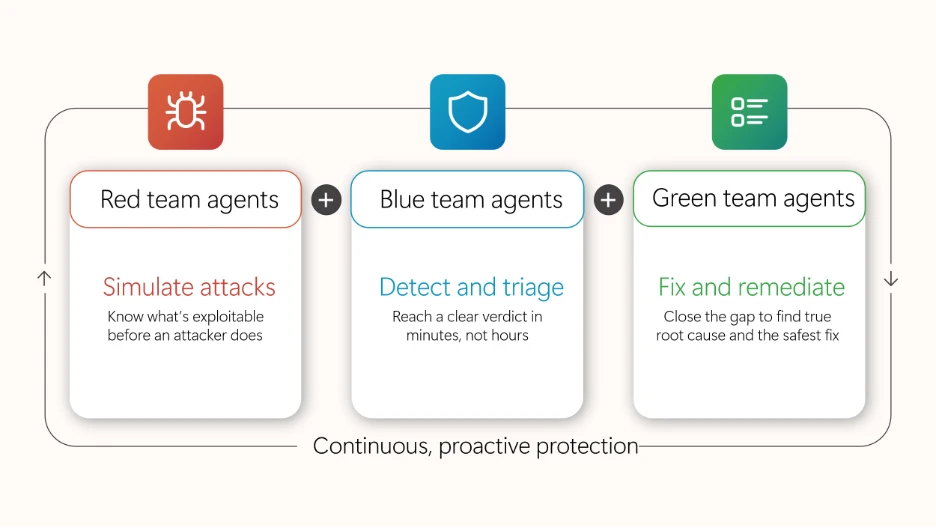
- Defensive Automation: Upgraded algorithms allow security operations centers to neutralize network intrusions at machine speed.
- Infrastructure Hardening: Core updates reinforce identity verification and cloud perimeter defenses globally.
- Threat Intelligence Integration: Real-time telemetry now incorporates threat actor behavior patterns from global analysis.
Securing the Artificial Intelligence Frontier
Corporate adoption of large language models has outpaced traditional perimeter security. Threat actors exploit machine learning vulnerabilities, including training data corruption and model inversion attacks. Microsoft addresses this with targeted isolation boundaries for AI workloads.
These isolation layers prevent unauthorized access to sensitive training datasets in cloud repositories. Updated telemetry tools monitor algorithmic inputs and outputs for anomalous behavior, detecting unauthorized extraction attempts early.
Without rigorous isolation, companies risk intellectual property theft and non-compliance. Stakeholders must recognize that algorithmic data integrity is as critical as database security.
Automating Threat Defense Operations
Modern security centers face analyst shortages alongside rising daily alerts. Microsoft leverages automated response mechanisms to reduce remediation times for standard enterprise threats.
These protocols execute predefined containment steps when anomalies match malicious signatures. Removing human latency limits lateral movement by attackers while network administrators retain oversight.
Analysts expect automated containment to become the baseline standard for enterprise IT architecture within twelve months. Organizations lagging behind risk overwhelm from automated cyber attacks.
Strengthening Infrastructure Foundations
Advanced AI security tools fail if underlying identity foundations remain vulnerable. Compromised credentials drive high-impact ransomware campaigns, prompting stricter multi-factor authentication rules.
Conditional access policies evaluate user risk scores using behavioral biometrics and device posture. Unmanaged endpoints or outdated firmware face automatic access restrictions, enforcing a strict zero-trust model.
This update bridges the gap between endpoint security and identity governance, creating a cohesive defensive posture across distributed workforces.
Market Impact and Enterprise Implications
Enterprise budgets increasingly prioritize AI governance alongside endpoint protection. Organizations failing to secure algorithmic deployments face regulatory penalties and data theft.
CISOs must audit tenant configurations to verify new controls. Compliance mandates in the European Union and North America now demand verifiable guardrails around algorithmic decision systems.
Strategic Outlook for Security Leadership
The convergence of AI and cyber defense represents a permanent structural shift. Defensive operations must evolve continuously to match automated adversary toolsets.
Security leaders should monitor upcoming releases for deeper integration between automated threat hunting and cloud logging. The boundary between data integrity and network security continues to dissolve.
Source: Original Article