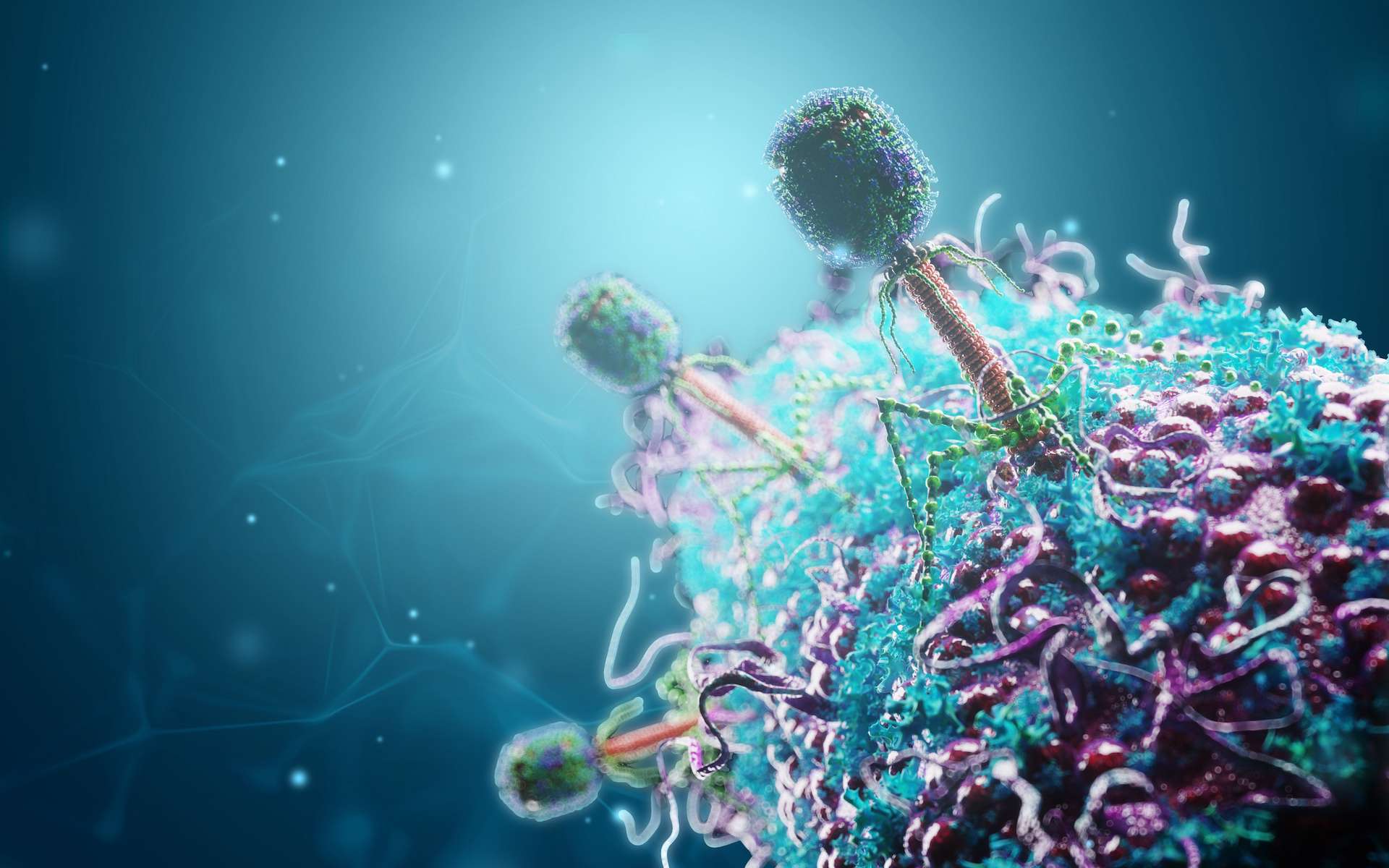
Researchers deployed artificial intelligence in January 2025 to design entirely novel virus genomes capable of hunting and destroying drug-resistant bacterial strains. This breakthrough arrives as global healthcare systems face a steep rise in infections that no longer respond to conventional medications. Scientists across international laboratories are leveraging advanced machine learning models to program biological entities from scratch, marking a profound shift in modern medicine.
Key Facts on AI-Designed Viral Genomes
- Researchers utilized advanced machine learning models to synthesize functional viral DNA sequences without relying on natural templates during laboratory tests.
- The primary target is antimicrobial resistance, a growing global health crisis threatening millions of lives annually across hospital networks.
- Engineered entities focus specifically on bacteriophages, which are viruses that selectively infect and destroy harmful bacteria without damaging human cells.
- Laboratory tests demonstrate that synthetic viral designs successfully neutralize drug-resistant pathogens under strictly controlled scientific conditions.
- Dual-use security concerns immediately accompany these scientific gains, prompting calls for strict international oversight by global governments.
Decoding the Mechanism of Synthetic Phages
Bacteriophages act as natural predators to single-celled organisms, evolving alongside them for millions of years. Traditional medical research relies on discovering these entities in nature, isolating them, and testing their efficacy against specific infections. Natural discovery moves slowly, often trailing behind the rapid mutation rates of dangerous microbes. Machine learning transforms this paradigm by predicting which genetic structures will successfully neutralize stubborn pathogens.
Computational models analyze vast biological databases containing millions of protein sequences and genomic structures. By identifying patterns in how viruses bind to bacterial walls and inject genetic material, algorithms construct entirely new blueprints. These synthetic blueprints do not exist in nature. They represent a computational leap in synthetic biology, bypassing centuries of evolutionary trial and error to produce targeted medical countermeasures instantly.
The Global Crisis of Antimicrobial Resistance
The World Health Organization identifies antimicrobial resistance as one of the top ten global public health threats facing humanity. Decades of antibiotic overuse in human medicine and agriculture have rendered standard treatments ineffective against common infections. Pneumonia, tuberculosis, and gonorrhoea are increasingly difficult to treat as pathogens develop robust defense mechanisms. Without new therapeutic classes, routine surgeries and minor injuries carry severe mortality risks.
Pharmaceutical companies largely abandoned traditional antibiotic development due to high costs and low financial returns. This economic reality left a dangerous innovation gap in modern medicine. Synthetic biology fills this vacuum by offering an entirely different approach to pathogen management. Instead of developing chemicals that bacteria inevitably outsmart, researchers deploy living or synthetic predators that can co-evolve alongside their targets.
Dual-Use Dilemmas and Biosecurity Stakes
Every technological leap carrying immense therapeutic potential simultaneously introduces severe security vulnerabilities. The same algorithms capable of designing therapeutic bacteriophages can theoretically engineer pathogenic agents. Malicious actors could exploit open-source machine learning models to synthesize harmful viruses with enhanced transmissibility or lethality. This dual-use dilemma forces governments and regulatory bodies to reevaluate how biological research is monitored globally.
International security experts demand rigorous screening protocols for DNA synthesis providers. Commercial companies that print genetic material must verify the identity of researchers and screen ordered sequences for known pathogens. However, decentralized open-source AI models make this oversight increasingly difficult to enforce. As computational power decentralizes, rogue entities could bypass centralized screening mechanisms entirely.
Market Impact and Pharmaceutical Industry Transformation
Venture capital investments in AI-driven biotechnology firms surged over the past 24 months. Startups specializing in generative biology secure substantial funding rounds to accelerate drug discovery pipelines. Traditional pharmaceutical giants now partner with artificial intelligence specialists to acquire proprietary computational platforms. This structural shift redefines the pharmaceutical landscape, moving companies from laboratory-heavy experimentation to data-driven computational design.
Intellectual property frameworks face unprecedented challenges as algorithms begin generating novel molecular structures. Patent offices struggle to determine whether an AI model or the human operator constitutes the inventor of a synthetic virus genome. Legal battles over genetic ownership will shape market competition and dictate access to life-saving therapies across developing and developed nations.
Why This Matters
This breakthrough marks a fundamental turning point where computer code directly dictates biological reality. Society stands at the intersection of eradicating untreatable bacterial infections and confronting unprecedented biosecurity threats. Understanding this dual reality ensures that regulatory policies protect public health without stifling life-saving scientific innovation.
What Happens Next
Regulatory agencies in the United States and the European Union are drafting new compliance frameworks for artificial intelligence in biotechnology throughout 2025. Clinical trials involving synthetic bacteriophages will advance cautiously over the coming years to test human safety and efficacy. Simultaneously, cybersecurity agencies and biological researchers will collaborate to build robust safeguards against malicious genomic synthesis.
Source: Original Article