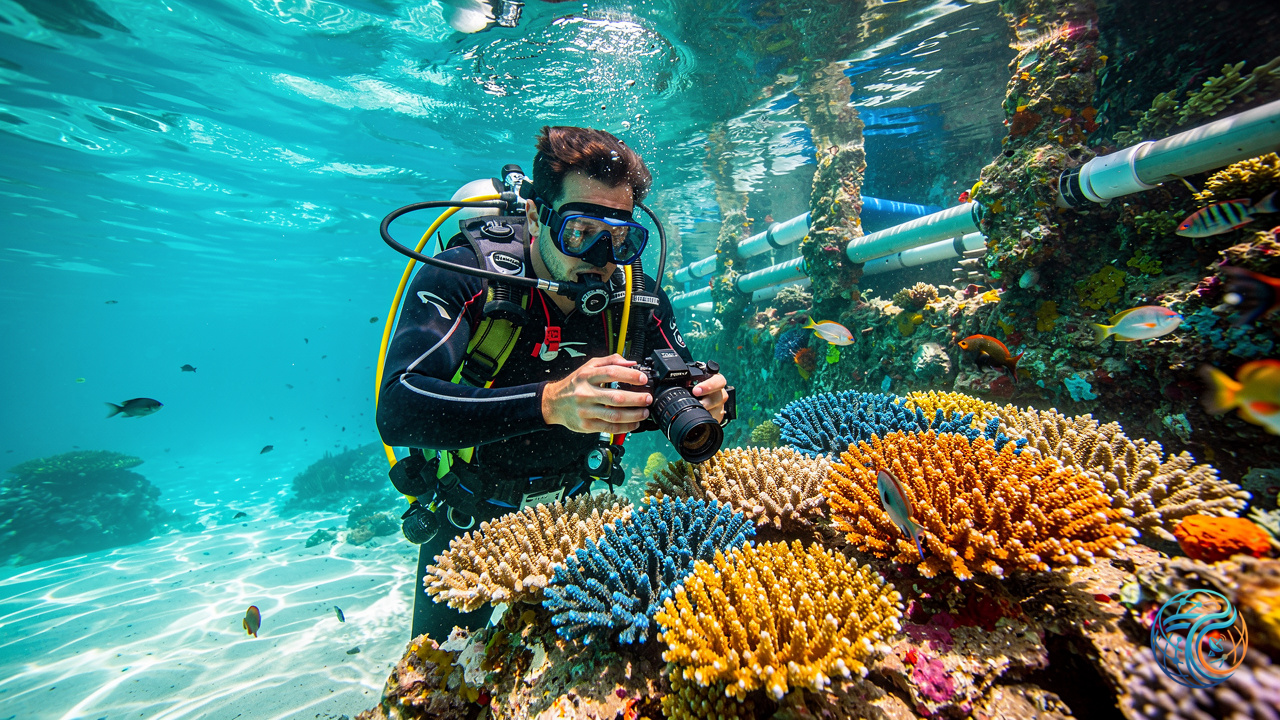
As global temperatures continue to rise and place unprecedented strain on marine ecosystems, scientists and investigative units are searching for viable interventions to rescue the world’s degrading coral reefs. In a recent investigative feature by 101 East, attention has turned to the Pacific archipelago nation of Palau. The investigation explores whether Palau holds the necessary blueprint, utilizing advanced techniques like cultivating heat-resilient super corals and artificially sea cooling ocean waters, to combat widespread climate-driven destruction.
The Threat to Global Coral Ecosystems
Marine environments worldwide face severe degradation driven by climbing ocean temperatures and escalating carbon emissions. Coral reefs, which act as vital nurseries for marine life and natural barriers for coastline protection, are particularly vulnerable to these shifts. Prolonged marine heatwaves frequently trigger massive bleaching events, fundamentally compromising the structural integrity of these delicate ecosystems. Traditional conservation methods are increasingly viewed as insufficient on their own against the accelerated pace of climate change, prompting researchers to explore aggressive technological and biological interventions.
Innovative Interventions: Super Coral and Ocean Cooling
To counter these systemic threats, researchers are examining targeted biological and environmental modifications. Among the most promising avenues being explored in regions like Palau are:
- Super Coral Cultivation: Breeding and selecting resilient coral strains that naturally tolerate higher water temperatures and acidic conditions.
- Marine Cooling Strategies: Investigating mechanical or environmental methods to reduce localized sea surface temperatures during peak heat stress periods.
- Targeted Conservation: Utilizing regional microclimates where corals have historically demonstrated higher baseline resilience to environmental shifts.
Evaluating the Potential and Limitations
While experimental methods such as cultivating thermal-tolerant coral varieties and deploying marine cooling techniques offer a glimmer of hope, experts emphasize that these initiatives face significant logistical and ecological hurdles. Scaling up laboratory-bred resilient corals to restore vast oceanic reefs requires immense resources, and localized cooling projects must be carefully managed to avoid unintended environmental consequences. Furthermore, scientists consistently stress that technological stopgaps cannot replace aggressive global reductions in greenhouse gas emissions.
Source: Original Article