
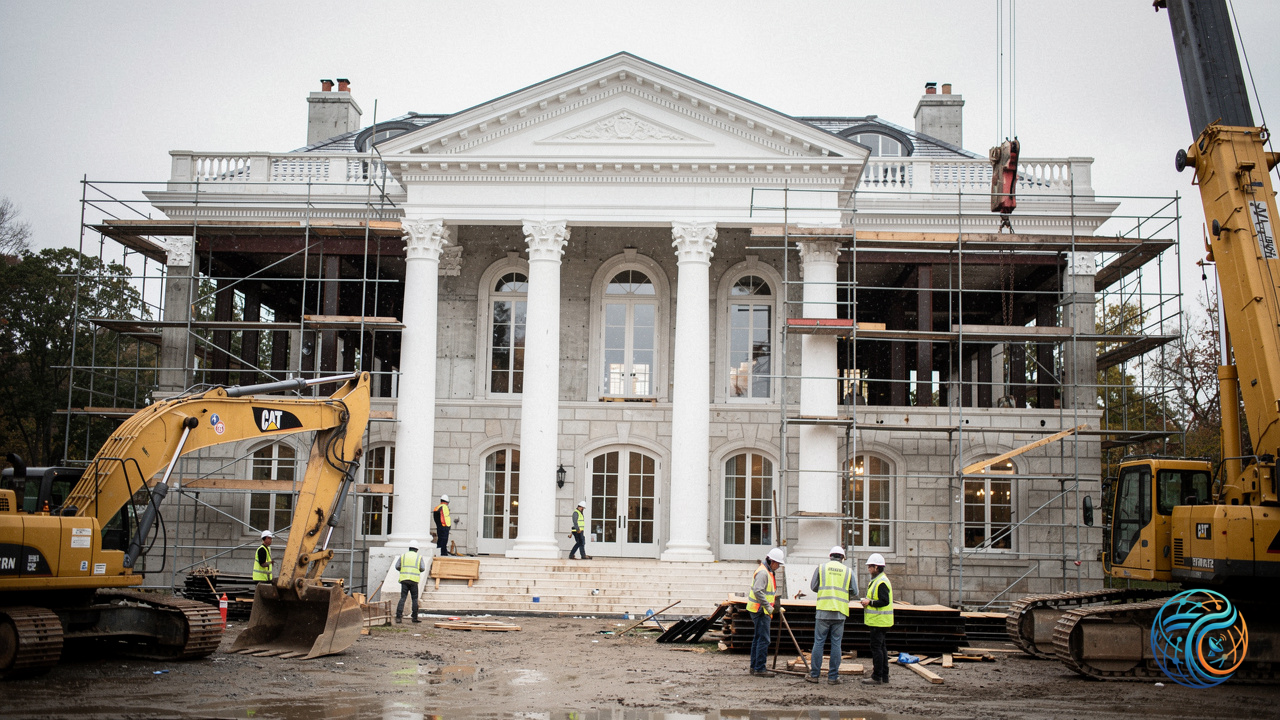
The United States Supreme Court has issued a significant legal decision allowing the contentious construction of a new ballroom associated with Donald Trump to move forward for the time being. This pivotal judicial development follows an extensive period of intense back-and-forth legal battles, administrative maneuvering, and public contention between the Trump administration and the National Trust for Historic Preservation.
As the legal and architectural dispute unfolds across high-level federal courts, the status of the project remains a focal point for both preservation advocates and administration officials. The intervention of the nation’s highest court temporarily clears the path for physical development to persist while underlying legal arguments regarding historical preservation and executive authority continue to be weighed through the judicial system.
Background of the Preservation Dispute
The core conflict centers on the collision between major capital construction initiatives backed by the Trump administration and the protective mandates advocated by heritage oversight organizations. For months, the National Trust for Historic Preservation has actively challenged the structural alterations, arguing that the modern addition threatens the historical integrity and architectural heritage of the affected site.
- Key Entities Involved: The Trump administration and the National Trust for Historic Preservation.
- Primary Subject: Ongoing construction of a ballroom project.
- Judicial Forum: The United States Supreme Court.
- Current Status: Construction is legally permitted to continue for now pending further developments.
The protracted litigation underscores the complex balance between modern architectural expansions commissioned by executive leadership and federal preservation laws designed to safeguard national landmarks and historically significant properties from irreversible physical alterations.
Implications of the Supreme Court Ruling
By declining to halt the ongoing work at this stage, the Supreme Court’s action provides immediate legal clearance for contractors and project managers to maintain momentum on the site. However, legal experts emphasize that this interim ruling does not represent a final judgment on the merits of the underlying preservation lawsuit brought forward by the National Trust for Historic Preservation.
Instead, the decision permits physical progress to advance while lower courts or subsequent judicial reviews evaluate the intricate statutory arguments governing historical properties and administrative oversight. Both legal teams are expected to return to the judicial arena as the broader battle over the ballroom’s future proceeds through the American legal system.
Source: Original Article