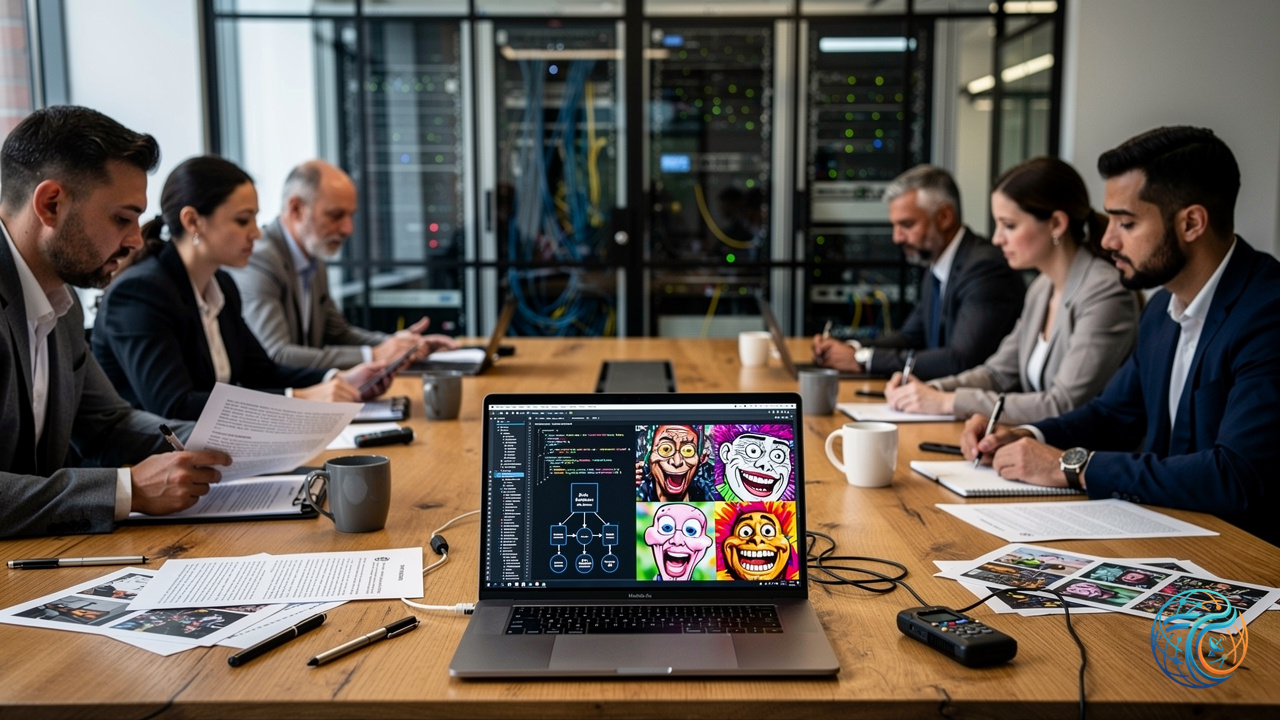
A high-stakes legal dispute centered on an AI-generated cartoon stick character—informally associated with internet phenomena known as “Italian brainrot”—is poised to establish critical legal precedents regarding intellectual property rights and artificial intelligence art ownership. As generative tools become deeply embedded in digital media production, questions surrounding copyright eligibility for machine-generated assets have intensified, setting the stage for judicial decisions that could permanently alter the digital creative landscape.
The Intersection of AI Art and Copyright Law
The core of the legal confrontation revolves around whether human intervention in the generation process is sufficient to grant copyright protection to outputs created by artificial intelligence systems. Traditionally, United States copyright law requires human authorship for a work to qualify for protection. However, modern generative workflows often blur the line between human direction and algorithmic generation, creating significant ambiguity for creators who utilize AI tools to design distinct visual characters and internet memes.
Key elements shaping this unfolding legal debate include:
- Human Authorship: The degree of creative control exerted by a human creator over an AI-generated asset.
- Character Ownership: Legal frameworks governing whether stylized figures, such as cartoon stick characters, can be exclusively owned when produced via generative models.
- Digital Culture: The rapid commercialization and replication of internet memes within contemporary digital ecosystems.
- Precedent Setting: The potential for upcoming court rulings to define national standards for machine-assisted creative output.
Implications for Digital Creators and AI Platforms
Legal analysts note that the resolution of this dispute could profoundly impact independent creators, digital artists, and major technology companies alike. If courts decide that AI-generated characters can be copyrighted under specific conditions, it would provide creators with robust mechanisms to protect and monetize their digital intellectual property. Conversely, ruling that such assets remain in the public domain or lack sufficient human authorship could strip creators of exclusive rights, changing how digital media and viral internet phenomena are commercialized.
As the legal system grapples with the rapid evolution of generative technologies, this case serves as an important testing ground for the future of digital art ownership and copyright enforcement.
Source: Original Article