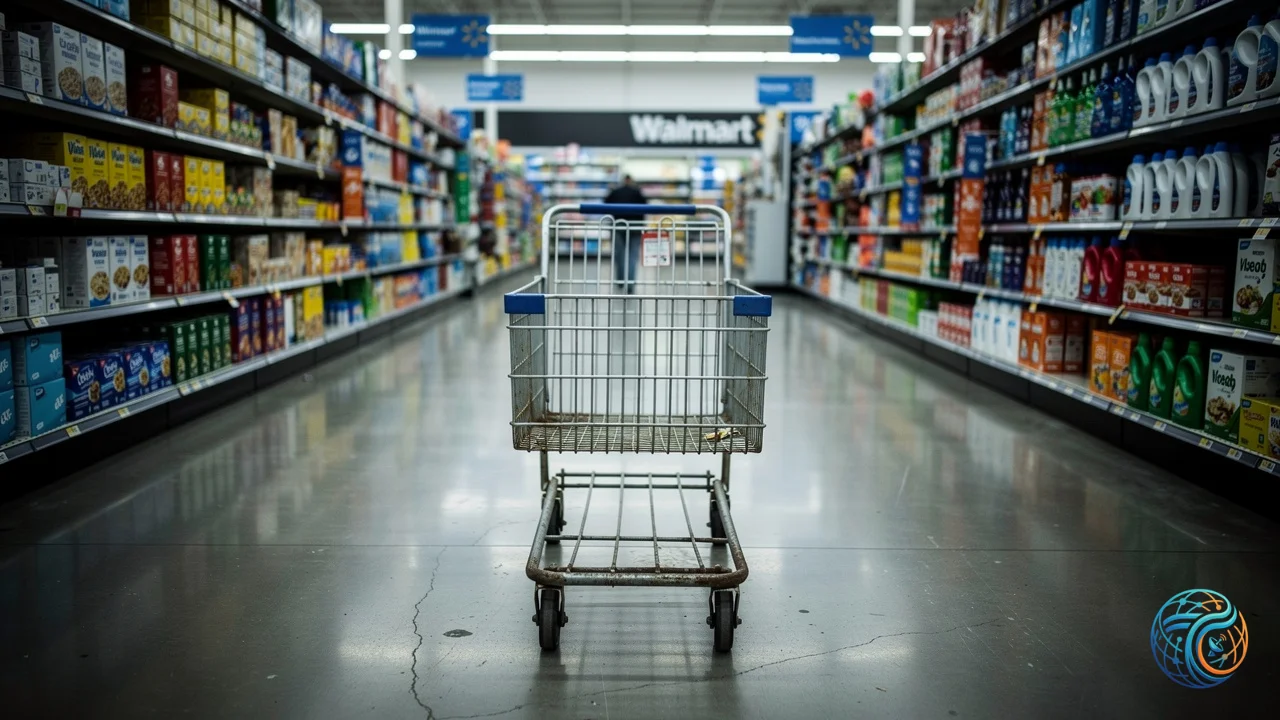
Walmart is experiencing a deceleration in retail sales growth as United States consumers recalibrate household budgets in response to persistent macroeconomic headwinds. The primary catalyst behind the shift in purchasing patterns is elevated fuel costs, with retail gasoline prices climbing above the crucial threshold of $4 per gallon nationwide. As everyday transportation expenses consume a larger share of disposable income, shoppers are trimming discretionary spending across major retail channels.
The Direct Impact of Elevated Energy Costs
Sustained fuel prices above $4 per gallon have historically served as a critical friction point for American households. When commuting and transportation expenses escalate, consumer discretionary budgets experience immediate compression. For large-scale retail operators like Walmart, which traditionally serve a broad demographic of value-conscious shoppers, contractions in household cash flow quickly manifest in reduced transaction volumes and smaller basket sizes.
The slowdown underscores how volatile energy commodities continue to exert immediate pressure on core commercial operations. Rather than maintaining broad spending across diverse merchandise categories, consumers are prioritizing essential goods such as groceries and household utilities while curtailing non-essential purchases that carry higher profit margins for retailers.
Shifting Consumer Behaviour and Spending Trade-Offs
Persistent inflationary pressure at the pump has accelerated structural shifts in purchasing behaviour across several areas:
- Basket Composition Adjustments: Shoppers are filtering their purchases, substituting discretionary general merchandise with basic necessities and lower-margin food staples.
- Trip Consolidation: Higher gasoline expenses encourage shoppers to reduce the total number of physical store visits, consolidating purchases or turning to digital channels.
- Value Prioritization: Budget-conscious consumers increasingly trade down toward private-label brands and volume essentials to offset recurring living costs.
Retail Logistics and Operational Pressures
Beyond dampening consumer demand, elevated fuel benchmarks introduce operational friction on the supply chain side. Managing nationwide distribution networks, fleet logistics, and store restocking becomes considerably more expensive when energy inputs remain high. For mass-market retailers, balancing freight expenses against pricing sensitivity represents a demanding operational challenge.
As households navigate recurring living costs and reprioritize weekly budgets, major retailers must adapt inventory planning and category management to align with defensive consumer sentiment. Walmart’s latest performance reflects a broader cautious stance across the consumer economy, illustrating the ripple effects that primary commodity price spikes exert over retail momentum.
Source: Original Article