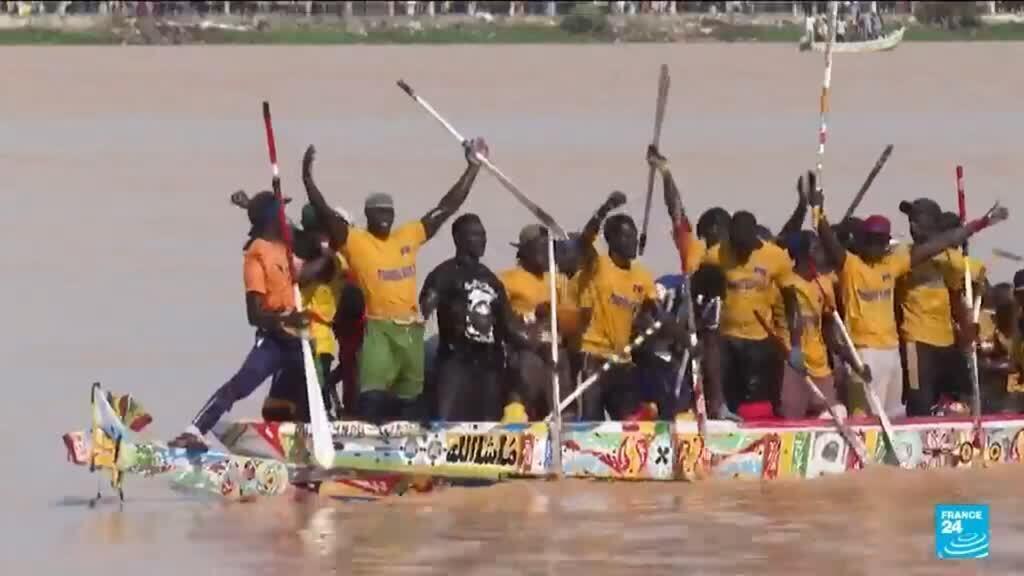
In Saint-Louis, Senegal, a bicentennial maritime competition draws thousands of spectators to Guet Ndar each year. Despite generating substantial revenue and acting as a cultural anchor, the rowers driving this 3.5-kilometre event receive zero financial compensation for their heavy physical labor.
Tayfur Keleş examines the structural economics of traditional sports preservation in West Africa. Modern athletic events rely on commercial sponsorships, broadcasting rights, and guaranteed athlete payouts. In contrast, Saint-Louis pirogue races operate on amateur traditions that conflict with modern economic realities.
Key Facts and Race Mechanics
- Location: Guet Ndar fishing district, Saint-Louis, Senegal.
- Event Distance: A grueling 3.5-kilometre water course navigated by massive wooden canoes.
- History: A maritime tradition dating back nearly 200 years.
- Athlete Compensation: Zero monetary pay for competing rowers despite event popularity.
- Economic Footprint: Generates significant tourism revenue without direct financial trickle-down to participants.
The operational framework highlights a deep disconnect between cultural heritage and modern monetization. Communities organize the competition through communal funding and local pride. Yet, the physical toll demands a critical reevaluation of amateur status in high-visibility heritage sports.
Maritime communities across West Africa face similar pressures as traditional livelihoods merge with commercial tourism. Guet Ndar, densely populated and historically dependent on artisanal fishing, relies on cultural touchstones like the pirogue race to maintain social cohesion. When organizers fail to monetize athlete labor, long-term sustainability suffers from economic migration and exhaustion.
Digital platforms expose these ancient races to international audiences, driving tourism dollars into Saint-Louis hotels. However, the foundational contributors—the rowers propelling the vessels—remain unpaid extras in a commercially viable spectacle.
Economic Implications for Traditional Sports
The financial neglect of Saint-Louis competitors mirrors broader systemic issues in global heritage preservation. Cultural events require robust financial models to survive economic shifts. Without institutional backing or corporate sponsorship sharing revenue with athletes, heritage sports risk losing participants to lucrative modern professions.
Stakeholders in Senegal must address the imbalance between event revenues and athlete remuneration. Local tourism boards and regional government bodies capture the economic upside. Redirecting a fraction of these commercial gains directly to competing teams ensures the sport’s survival.
Furthermore, navigating large pirogues over a 3.5-kilometre course requires professional safety standards and insurance. Unpaid athletes absorb these risks without a safety net. Modernizing the race’s administrative structure protects its human capital.
Expert Perspectives on Athlete Compensation
Sports economists argue that unpaid amateur status becomes exploitative when an event generates measurable commercial value. Cultural anthropologists emphasize that while keeping traditions authentic is paramount, economic viability is equally critical for generational continuity. Without fair wages, younger generations in Guet Ndar may abandon the oars.
Event organizers face tough choices regarding ticket sales, corporate sponsorships, and municipal subsidies. Introducing structured prize pools and salaried training periods transforms a risky pastime into a sustainable athletic career. This shift aligns traditional West African maritime sports with global welfare standards.
Resistance to paying rowers often stems from notions of cultural purity. Communities fear commercialization strips away the historical soul. However, financial ruin poses a much greater threat to a 200-year-old tradition than managed commercial growth.
Future Outlook for Saint-Louis Maritime Culture
Demands for compensation voiced by Saint-Louis competitors mark a turning point for Senegal’s cultural sector. As digital connectivity brings global visibility, pressure mounts on regional authorities to modernize event financing. Establishing fair compensation models will safeguard the future of pirogue racing.
Why this matters extends beyond Senegal. Across the globe, traditional sports face the dual challenge of honoring the past while surviving in hyper-capitalist economies. Solving the economic equation in Saint-Louis provides a blueprint for preserving cultural heritage without exploiting the athletes.
Source: Original Article