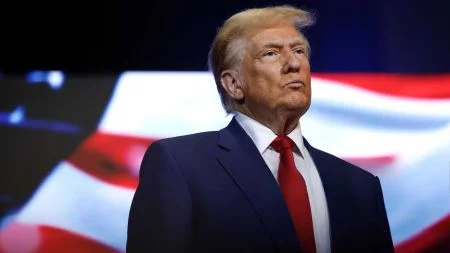

Colombian President Abelardo de la Espriella formally asked United States President Donald Trump to suspend trade tariffs on Saturday following a catastrophic earthquake. The seismic event struck western Colombia on August 16, 2026, causing widespread destruction across major urban centers.
At least 300 individuals lost their lives in the disaster. The western cities of Cali and Pereira suffered the heaviest infrastructure damage, leaving thousands displaced and emergency services overwhelmed.
Key Facts
- Abelardo de la Espriella, Colombia’s president, issued the diplomatic appeal to Washington on Saturday.
- A deadly earthquake struck western Colombia on August 16, 2026.
- The cities of Cali and Pereira sustained catastrophic structural collapses and severe utility failures.
- Official figures confirm at least 300 fatalities, with rescue operations continuing.
- The formal request asks the US administration to temporarily lift import tariffs to ease economic recovery.
Geopolitical Trade Dynamics
International trade policy rarely intersects with humanitarian crises so directly. When a nation faces catastrophic infrastructure failure, export-driven revenues become vital for funding rescue and reconstruction. By appealing to the White House, Colombia highlights friction between protectionist trade measures and disaster relief.
Tariffs impose financial burdens on goods entering the US market from South America. Suspending duties provides immediate liquidity to Colombian agricultural and manufacturing sectors, allowing local enterprises to redirect capital toward rebuilding.
Economic Vulnerability in Cali and Pereira
Cali and Pereira serve as critical economic engines in western Colombia. Manufacturing plants, agricultural processors, and logistics hubs are heavily concentrated here. The earthquake disrupted industrial output, halting commercial operations.
Rebuilding these hubs requires immense capital. Without temporary trade relief, local businesses face dual pressures of repairing facilities while paying standard export penalties. The government aims to mitigate this bottleneck.
The White House Response Dilemma
United States trade officials face a complex diplomatic decision. Granting a targeted tariff suspension sets a unique precedent. Conversely, denying the waiver during a humanitarian crisis risks diplomatic fallout and accusations of lacking solidarity.
President Donald Trump must weigh protectionist agendas against humanitarian optics. Utilizing tariff policy as an emergency relief tool introduces a novel mechanism for crisis management.
Supply Chain Ramifications
Global supply chains linked to Colombian coffee, textiles, and manufactured goods face volatility. North American importers anticipate shipment delays and shortages. A temporary tariff waiver could stabilize consumer prices by offsetting increased logistical costs.
Logistical arteries, including highways connecting Cali to major ports, suffered severe damage. Transporting goods requires alternate, costlier routes. Financial relief via suspended duties helps absorb these expenses.
Historical Context and Comparative Analysis
Historically, disaster relief relied on monetary aid, food, and medical deployments rather than trade adjustments. However, modern economic integration means localized natural disasters can choke national cash flows if export engines stall. Utilizing trade concessions for seismic recovery represents an evolving frontier in international diplomacy.
Stakeholder Analysis
Primary beneficiaries of a tariff suspension would be Colombian exporters, agricultural producers, and local municipal governments. Conversely, competing US industries might lobby against waivers, arguing unfair advantages during market readjustment. Balancing these interests forms the core of the White House’s calculus.
Future Implications
Over the next six to twelve months, the US decision will establish a baseline for how trade policy interacts with emergency relief. If waivers are implemented, future disaster-stricken nations may routinely request temporary trade relief as part of aid packages.
Why This Matters
This situation tests the adaptability of modern trade policy during natural disasters. If major economies incorporate tariff suspensions into emergency protocols, global supply chains can recover faster from localized catastrophes.
Looking Ahead
The coming days will determine whether the US administration accepts the proposed trade freeze. Colombian disaster response teams continue excavating rubble in Cali and Pereira while awaiting diplomatic signals.
Source: Original Article