
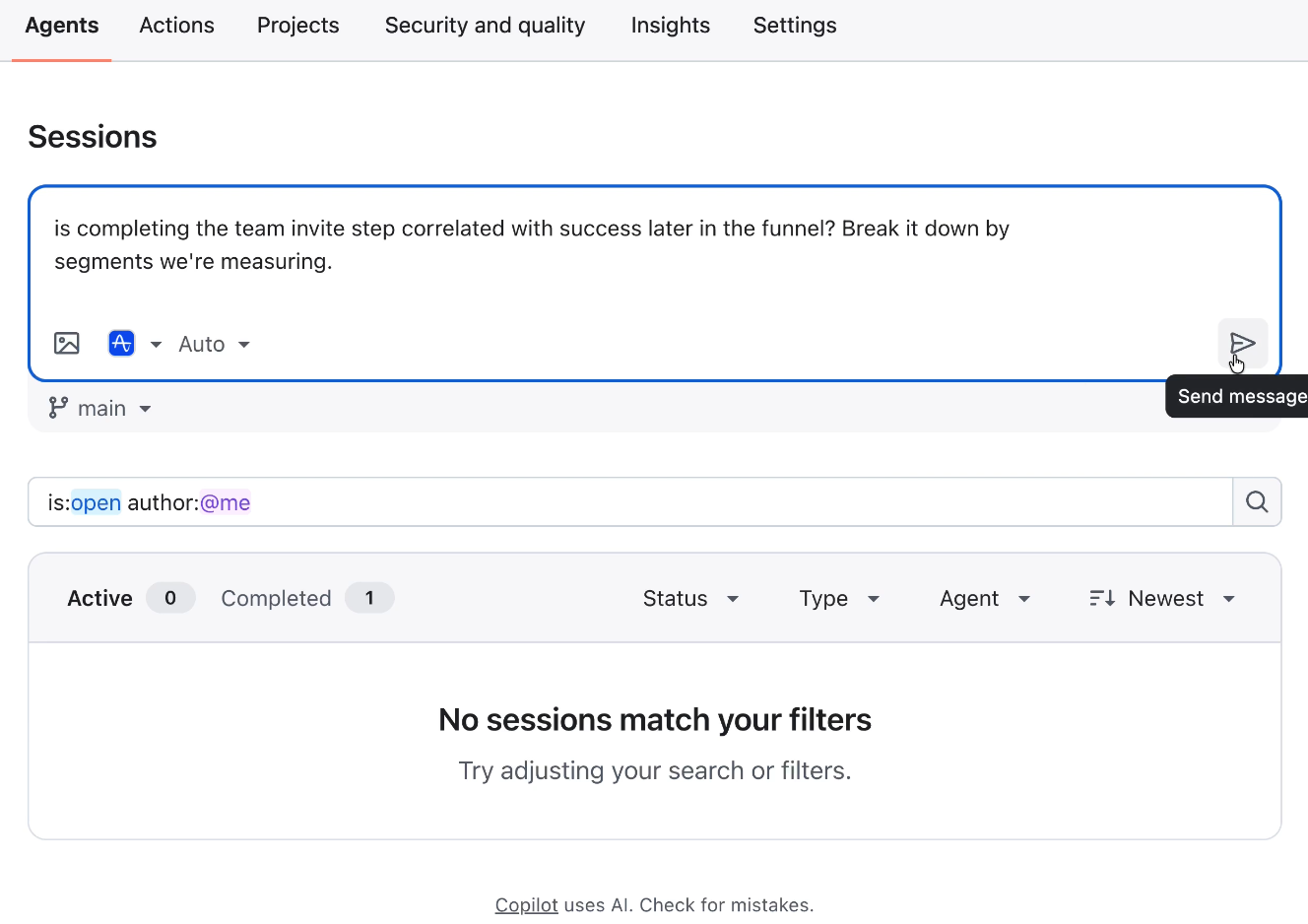
GitHub released new agent applications this week to manage the entire software delivery lifecycle inside a single interface. Developers can now scope, secure, roll out, and ship code features without switching context, streamlining daily engineering tasks across repositories.
This platform update addresses mounting friction in modern engineering pipelines. Developers frequently lose productive hours juggling disconnected services for vulnerability scanning, deployment orchestration, and project management.
Integrating autonomous helper tools directly into version control changes how teams execute daily tasks. Engineering leaders must evaluate whether this operational consolidation improves velocity or creates new administrative bottlenecks.
Key Facts About GitHub Agent Apps
- Unified Workflow: The new applications cover scoping, security enforcement, phased rollouts, and final shipping inside the GitHub ecosystem.
- Context Preservation: Engineering teams avoid context switching by executing operational commands directly within their code repository interface.
- Automation Support: Specialized helper tools handle repetitive tasks across the software development lifecycle (SDLC).
- Security Integration: Automated vulnerability assessments run concurrently with code scoping and initial pull request creation.
Modern software engineering relies on complex toolchains spanning dozens of SaaS platforms. Engineers spend significant hours authenticating across different dashboards, copying logs, and updating tracking tickets. When vulnerabilities emerge, developers pivot away from writing code to investigate alerts in dedicated app security tools. This constant fragmentation degrades focus and increases the cognitive load required to ship updates.
Toolchain fragmentation has grown steadily over the past decade with the microservices explosion. Engineering organizations adopted specialized point solutions for every operational niche, inadvertently creating siloed workflows. Consolidating these operations into a centralized version control environment represents a strategic shift in developer tooling. By embedding intelligent automation where code lives, platform engineers reduce overhead. Automated agents parse natural language requests, draft specifications, and verify compliance before code merges.
The economic implications of streamlining workflows are substantial for enterprises. Software delivery velocity directly correlates with business competitiveness. When cycle time drops, companies test new hypotheses, release features, and patch flaws faster than rivals. However, centralizing operations inside a single vendor ecosystem introduces dependency risks. Organizations must weigh productivity gains against the flexibility of open toolchains.
Security teams hold a critical stake in autonomous development agents. Automated security scanners must maintain strict governance standards to prevent false positives from blocking valid deployments. Conversely, developers gain immediate feedback on code vulnerabilities, shifting security left in the development lifecycle. This tight coupling ensures continuous compliance checks rather than disruptive final gatekeeping.
Over the next 6 to 12 months, industry analysts expect platform integration to accelerate. As artificial intelligence agents mature, the boundary between writing code and managing infrastructure will blur. Future iterations will likely handle complex multi-repository refactoring and autonomous incident remediation without human intervention. Organizations that leverage native platform agents will set new benchmarks for delivery speed.
Source: Original Article