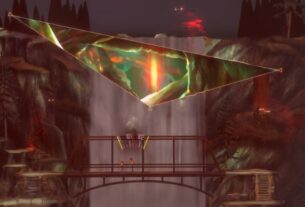

In 1995, game developer Tetsuya Takahashi submitted a sprawling narrative pitch to Square in Tokyo. Executives rejected it for being too dark and complex. This administrative veto redirected interactive entertainment, turning a cyberpunk epic into a commercial blockbuster that defined a console generation.
Industry analysts frequently examine how this single veto reshaped the software landscape. This report breaks down the rejected concepts, internal studio politics, and the legacy of a game that almost never existed.
Key Facts Behind the Rejected Pitch
- The Author: Tetsuya Takahashi served as a graphic director and planner at Square during the development of Chrono Trigger in 1995.
- The Corporate Stance: Square executives prioritized commercial accessibility and traditional fantasy. They dismissed Takahashi’s concept as too niche and grim.
- The Pivot: Takahashi repurposed his world-building ideas into an entirely different intellectual property released in 1998.
- The Result: The redirected resources allowed the team to focus fully on Final Fantasy VII, cementing the PlayStation as the dominant RPG platform.
Context and Corporate Strategy in 1995
During the mid-1990s, the gaming industry migrated from cartridges to CD-ROM media. Square invested heavily in Silicon Graphics workstations and 3D rendering. Management needed a guaranteed hit to justify rising budgets and secure market share against Nintendo.
Takahashi envisioned a dense narrative blending biotechnology, conspiracies, and religious symbolism. Executives feared this would alienate mainstream buyers of Final Fantasy VI. Leadership instructed Takahashi to shelve his project and support the core team on the seventh installment.
The Birth of Xenogears
Denied a Final Fantasy budget, Takahashi retained his design documents and pitched the concept as an original IP. Square greenlit a smaller project, granting Takahashi freedom to explore psychology and ancient civilizations.
That project launched in Japan in 1998 as Xenogears. It achieved critical acclaim and cult status, laying the groundwork for Takahashi’s Monolith Soft studio and the Xenoblade Chronicles series.
Why This Matters for Modern Game Development
Corporate risk aversion shapes creative output in entertainment. When executives reject ambitious pitches, creators must compromise or pivot to independent ventures. The divergence between Final Fantasy VII and Xenogears shows how studio constraints generate new market categories.
Publishers balance commercial viability against creative experimentation. High development costs mean risk management remains a primary driver of corporate decisions. The precedent set at Square in 1995 illustrates that rejecting ideas often leads to unexpected innovation.
Industry Implications and Market Stakes
The video game market relies on established IP to guarantee returns. Publishers allocate massive budgets to sequels while reducing capital for untested concepts. Takahashi’s experience highlights the tension between bean counters and visionary artists.
Consumers benefit when creators find alternative pathways for funding. Without Square’s refusal, the gaming ecosystem would lack the sci-fi universes defining modern Japanese RPGs. Financial stakes ensure creative friction will continue spawning new franchises.
What Happens Next
As AAA production costs escalate toward hundreds of millions of dollars, major publishers exhibit extreme caution. Independent studios now provide the primary breeding ground for experimental design. Analysts expect this structural divide to widen over the next decade.
The legacy of Tetsuya Takahashi proves institutional rejection does not extinguish ambition. Developers continue to draw inspiration from historical milestones where a single decision altered entertainment history.
Source: Original Article