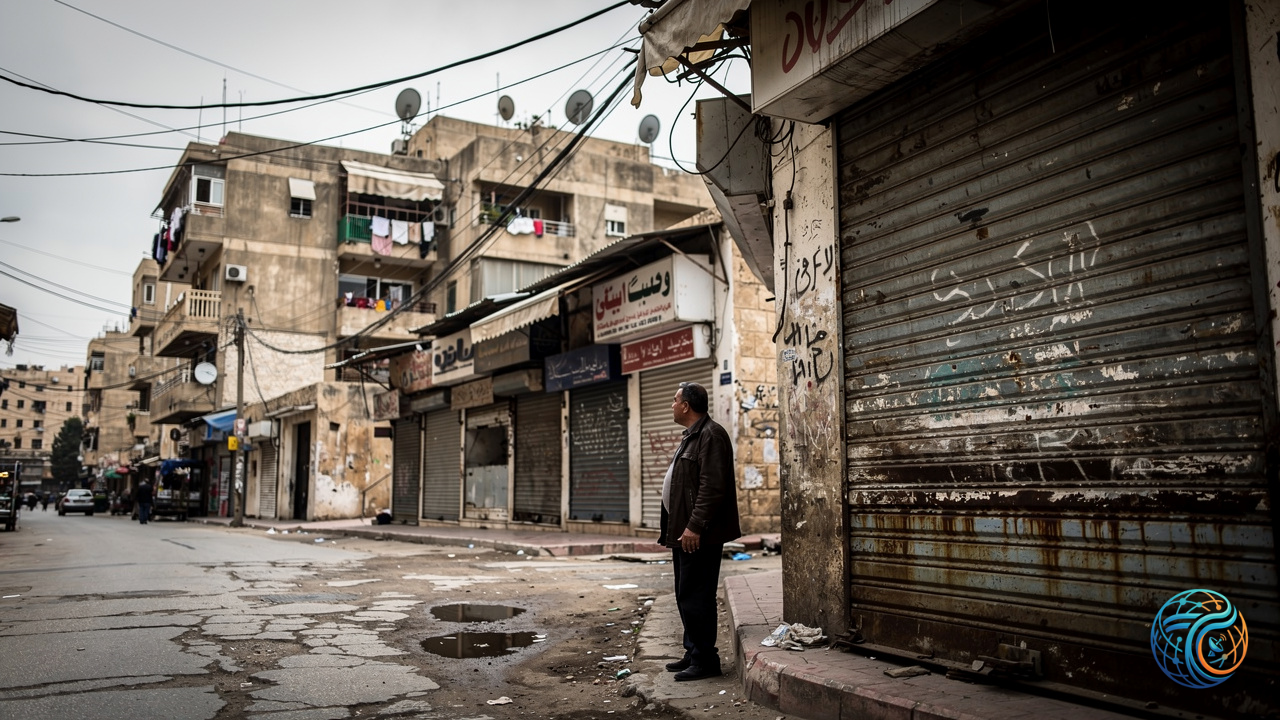
The Lebanon economy is projected to contract by 6.4%, dealing a severe blow to the nation’s ongoing financial recovery efforts following the war’s impact. According to the global lender’s latest assessment, the compounding pressures of ongoing conflict with Israel have fundamentally derailed macroeconomic stabilization, pushing consumer prices and inflation to critical new highs.
Economic Contraction and Conflict Impact
As hostilities persist, the structural damage to Lebanon’s economy deepens across multiple sectors. The World Bank analysis highlights how military escalations and regional instability have severely paralyzed commercial activity, disrupted trade supply chains, and eroded the purchasing power of ordinary citizens. The anticipated 6.4% contraction reflects the profound scale of disruption facing local markets and national infrastructure.
Key Economic Takeaways
- Economic Shrinkage: The World Bank projects a 6.4% contraction for Lebanon’s economy.
- Primary Catalyst: Ongoing conflict with Israel has derailed the country’s fragile economic recovery.
- Market Pressure: Inflation and consumer prices continue to rise sharply, straining household budgets.
The acceleration of inflation alongside a shrinking gross domestic product presents severe humanitarian and monetary challenges. Analysts note that price instability severely impacts basic goods and essential services, forcing vulnerable populations to navigate unprecedented financial hardship while institutional frameworks struggle to respond.
Source: Original Article